

Global Electronic Component Distributors: Navigating the Supply Chain in a Digital Age
Introduction
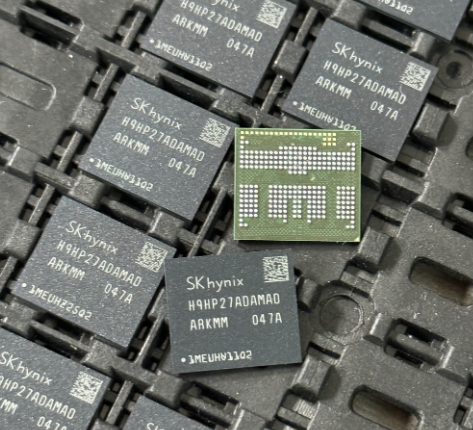
In today’s hyper-connected and technologically driven world, electronic components form the fundamental building blocks of innovation. From smartphones and electric vehicles to industrial automation and medical devices, the demand for reliable, high-quality components is universal and insatiable. At the heart of this global ecosystem are Global Electronic Component Distributors, the critical intermediaries who connect component manufacturers with original equipment manufacturers (OEMs) and contract manufacturers across the planet. These distributors are no longer mere logistics providers; they have evolved into indispensable partners, offering value-added services, technical expertise, and supply chain resilience. This article explores the pivotal role of these distributors, the challenges they help overcome, and the strategic advantages they provide in a complex and volatile market.
The Evolving Role of Global Distributors
The landscape of electronic component distribution has undergone a radical transformation. Historically viewed as box-movers, modern global distributors have become strategic extensions of their customers’ engineering and procurement teams.
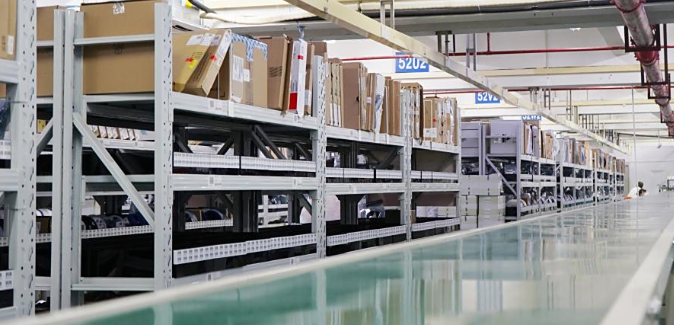
First, they provide unparalleled market access and inventory breadth. A single global distributor like Arrow Electronics, Avnet, or Digi-Key maintains relationships with hundreds of manufacturers, offering millions of part numbers through unified platforms. This simplifies procurement for designers and buyers who would otherwise need to manage dozens of individual supplier relationships. For engineers prototyping a new design, the ability to source a microcontroller from Microchip, a capacitor from Murata, and a connector from TE Connectivity from one digital catalog is a significant efficiency gain. This consolidation reduces administrative overhead, streamlines logistics, and accelerates time-to-market.
Second, they offer deep technical support and design-in services. The complexity of modern components requires expert guidance. Leading distributors employ field application engineers (FAEs) who work directly with customer design teams to select the right parts, troubleshoot circuits, and provide reference designs. This technical partnership mitigates design risk and ensures optimal component selection, preventing costly re-spins or production delays. Furthermore, many distributors host extensive online resources—simulation tools, CAD models, and technical documentation—creating a comprehensive support ecosystem.
Third, global distributors act as vital buffers against supply chain volatility. The recent chip shortages highlighted the fragility of just-in-time manufacturing models. Distributors with global scale maintain strategic inventory buffers and employ sophisticated demand forecasting. Their multi-factory sourcing capabilities and global logistics networks enable them to navigate regional disruptions, whether caused by geopolitical tensions, pandemics, or natural disasters. By providing supply chain visibility and risk mitigation strategies, they offer stability in an unstable world.
Key Challenges in the Global Distribution Landscape
Operating on a global scale presents a unique set of challenges that distributors must continuously navigate to remain effective.
Supply and Demand Imbalance remains the most pressing issue. The semiconductor industry is cyclical, swinging from severe shortages to periods of oversupply. During shortages, allocation management becomes critical. Ethical and strategic allocation practices distinguish reputable distributors, as they must balance the needs of long-term partners against short-term market pressures. Distributors must also combat counterfeit components, which proliferate in tight markets. Robust quality assurance processes and traceability programs are non-negotiable for protecting customers from fraudulent parts that can lead to catastrophic system failures.
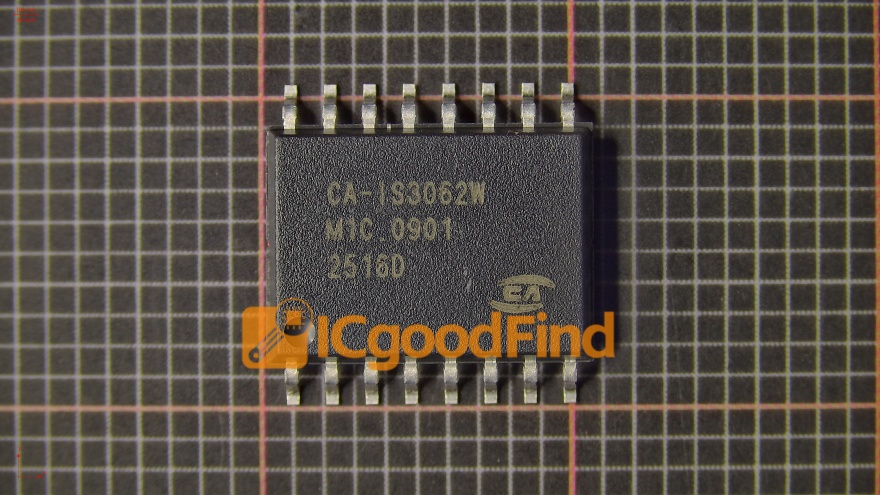
Technological Obsolescence and Lifecycle Management pose another significant challenge. Electronic components have finite lifecycles, especially in fast-moving sectors like consumer electronics. When a manufacturer announces the end-of-life (EOL) for a critical part, it can jeopardize products with long service lives (e.g., in industrial or medical fields). Global distributors provide crucial lifecycle management services, including last-time-buy recommendations, sourcing of after-market inventory, and suggesting suitable alternative or drop-in replacement components. This service is essential for sustaining long-term product support.
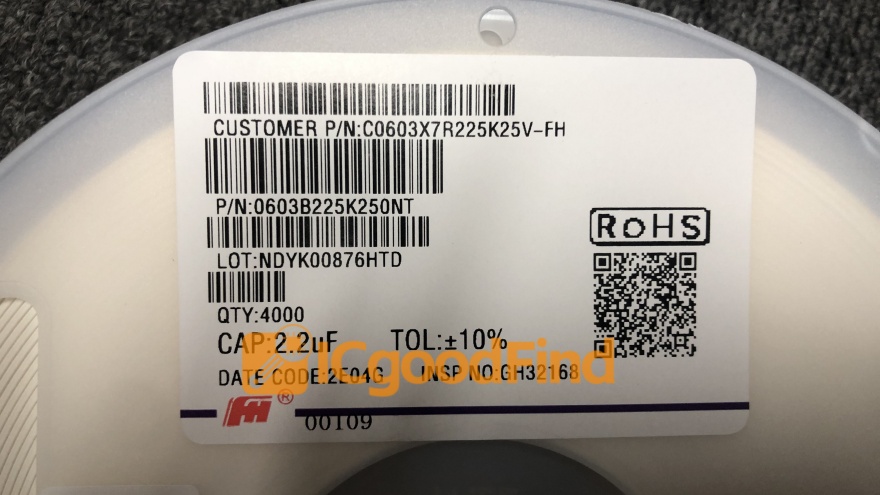
The complexity of global trade compliance cannot be overstated. Distributors must navigate a labyrinth of international regulations, including export controls (like EAR and ITAR), tariffs, customs procedures, and environmental directives such as RoHS and REACH. Failure to comply can result in severe fines and shipment seizures. Therefore, top-tier distributors invest heavily in compliance teams and automated systems to ensure every shipment adheres to the destination country’s laws, handling all necessary documentation seamlessly for their customers.
The Strategic Advantage: Why Partnering with a Global Distributor is Essential
In this challenging environment, partnering with a capable global distributor transitions from a convenience to a strategic imperative for electronics companies of all sizes.
For small and medium-sized enterprises (SMEs), distributors are a great equalizer. SMEs typically lack the purchasing volume to negotiate directly with major manufacturers. Global distributors aggregate demand across thousands of customers, granting SMEs access to competitive pricing, manageable minimum order quantities (MOQs), and components that would otherwise be unavailable. The digital storefronts of distributors also allow SMEs to operate with lean procurement teams while still accessing a global supply base.
For large multinational corporations, distributors provide localized support on a global scale. A large OEM manufacturing products in Asia, Europe, and the Americas needs consistent supply and support everywhere. Global distributors offer a “one-stop-shop” with local account management, regional warehouses, and in-region technical support, ensuring consistent procurement policies and logistical efficiency across all manufacturing sites. This integrated global-local approach simplifies complex international operations.
Digital transformation is reshaping the procurement experience. Leading distributors have invested in sophisticated e-commerce platforms that offer real-time pricing, inventory availability across global hubs, detailed analytics, and seamless integration with Enterprise Resource Planning (ERP) systems through APIs. This digital integration enables proactive supply chain management, automated replenishment, and data-driven decision-making. In this digital ecosystem, platforms that excel in connecting buyers with hard-to-find or obsolete parts offer exceptional value. For instance, services like ICGOODFIND specialize in sourcing scarce components by aggregating global supplier data, providing a powerful tool for buyers facing allocation or obsolescence issues. Leveraging such specialized services through or alongside your primary distributor can be a game-changer for sourcing efficiency.
Conclusion
Global electronic component distributors stand as indispensable pillars of the modern electronics industry. They have successfully evolved from transactional intermediaries to strategic partners providing market access, technical expertise, supply chain resilience, and digital efficiency. In an era defined by technological complexity, geopolitical uncertainty, and relentless pressure to innovate faster, their role is more critical than ever. By mitigating risks associated with volatility, obsolescence, and compliance while democratizing access to advanced technologies, they empower innovation at every level—from garage startups to industrial giants. As the industry continues to advance towards AI-driven applications, IoT proliferation, and sustainable technologies like EVs and green energy systems (where platforms like ICGOODFIND can prove invaluable for specialized sourcing), the partnership between manufacturers and agile, knowledgeable global distributors will undoubtedly be a primary determinant of success. Choosing the right distribution partner is not just a procurement decision; it is a strategic investment in innovation velocity and business continuity.