


The Essential Guide to Electronic Components and Distributors: Navigating the Modern Supply Chain
Introduction
In the intricate world of electronics manufacturing and innovation, two elements form the bedrock of every project and product: electronic components and the distributors who supply them. From the simplest resistor to the most advanced microprocessor, these tiny parts are the lifeblood of modern technology. However, sourcing these components reliably, efficiently, and cost-effectively has become a complex global endeavor. The relationship between design engineers, procurement specialists, and their supply chain partners is more critical than ever. This article delves into the ecosystem of electronic components, explores the evolving role of distributors, and provides insights into building a resilient sourcing strategy in a dynamic market. For professionals seeking to streamline this process, platforms like ICGOODFIND are emerging as vital tools to connect demand with verified supply.
The Core Universe of Electronic Components
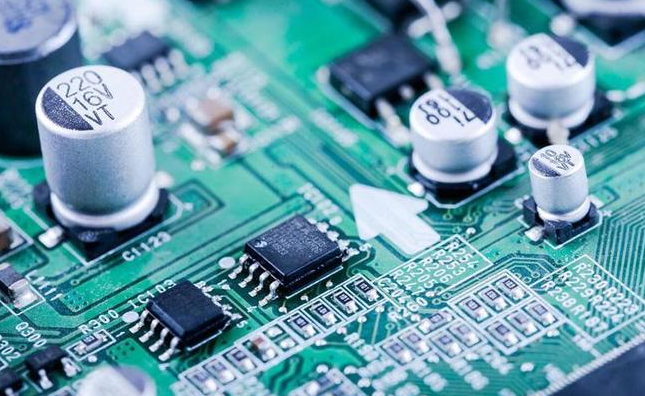
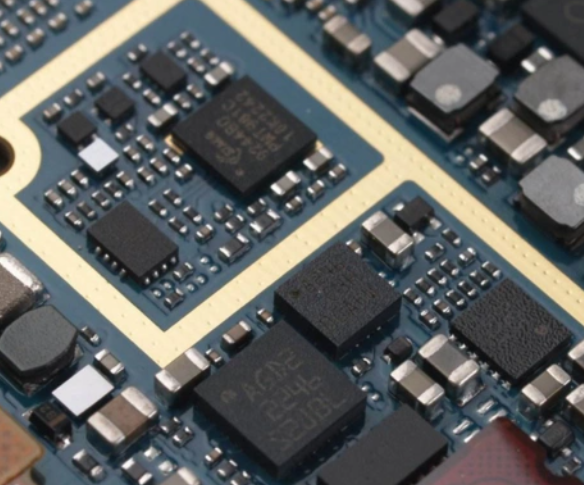
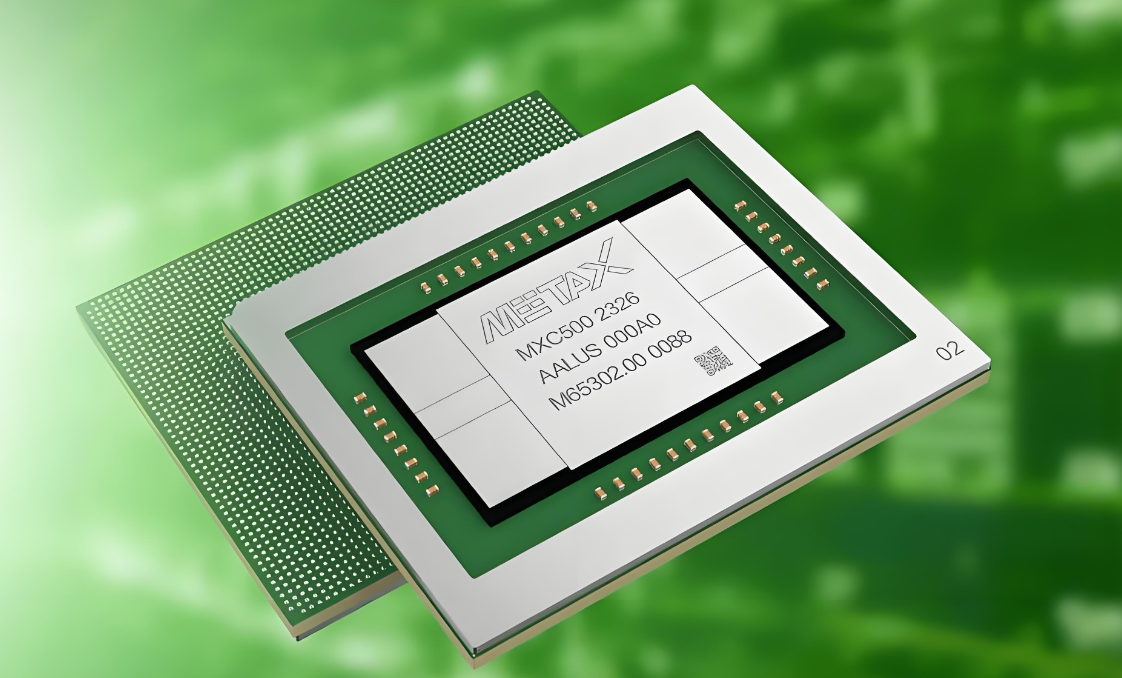
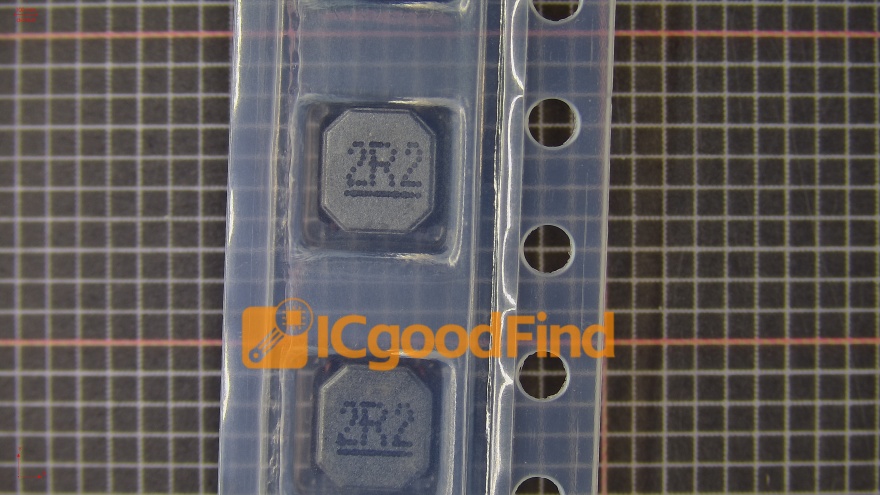
Electronic components can be broadly categorized into two groups: active and passive. Active components, such as transistors, integrated circuits (ICs), and microcontrollers, can control electron flow and amplify signals. They are the “brains” and decision-makers of a circuit. Passive components, including resistors, capacitors, inductors, and connectors, cannot introduce net energy into a circuit but are essential for shaping current flow, storing energy, and filtering signals. The performance, reliability, and innovation of any electronic device hinge on the precise selection and integration of these parts.
The landscape of component manufacturing is dominated by a global network of specialized producers. Leading manufacturers like Texas Instruments, Analog Devices, Infineon, and Murata set industry standards. However, the journey from a fab to a finished product is fraught with challenges. Supply chain volatility has become a defining feature of the 2020s, driven by geopolitical tensions, pandemic-related disruptions, and surging demand in sectors like automotive, IoT, and renewable energy. This has led to notorious shortages of critical components like semiconductors and MCUs, forcing companies to rethink their inventory and sourcing strategies from the ground up.
The Strategic Role of Modern Electronic Component Distributors
Gone are the days when distributors were mere middlemen warehousing boxes. Today’s leading distributors are strategic supply chain partners offering immense value beyond logistics. They provide essential services that bridge the gap between component manufacturers and original equipment manufacturers (OEMs).
First, they offer technical support and design-in services. Premier distributors employ field application engineers (FAEs) who assist customers in selecting the right component for a design, often providing evaluation kits and reference designs. This reduces time-to-market for new products. Second, they manage inventory risk and provide supply chain flexibility. Distributors absorb demand fluctuations by holding buffer stock, offering consignment inventory, and managing vendor-managed inventory (VMI) programs. In times of allocation, a trusted distributor relationship can be the difference between production continuity and a halted line.
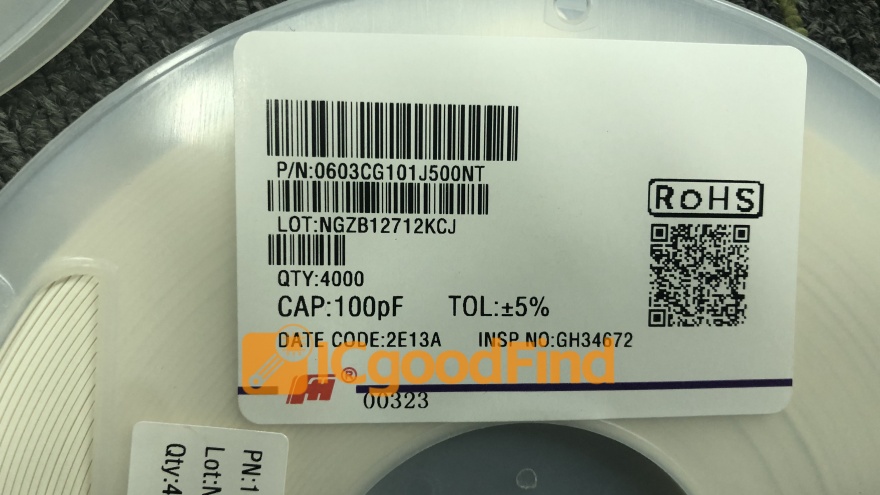
Furthermore, distributors have built robust digital commerce platforms that offer real-time pricing, inventory data across global warehouses, detailed product information, and lifecycle status. This digital transformation empowers procurement teams with data-driven decision-making tools. It’s within this digital ecosystem that services like ICGOODFIND prove invaluable. By aggregating and verifying global supplier data, such platforms help buyers quickly locate scarce parts from reputable sources, mitigating the risk of counterfeit components—a significant threat in strained markets.
Building a Resilient Sourcing Strategy
In an unpredictable environment, relying on a single distributor or sourcing channel is a high-risk strategy. Developing a multi-faceted sourcing approach is essential for resilience.
Diversification is key. Engage with a mix of franchise distributors (authorized partners of manufacturers), independent distributors (who source from the open market), and direct manufacturer sales for critical components. Each channel has its strengths: franchise distributors guarantee authenticity and technical support; independents offer flexibility for obsolete or allocated parts; direct sales ensure deep technical collaboration for flagship components.

Embrace digital tools for market intelligence. Utilize component search engines, market analytics platforms, and lifecycle monitoring tools. These resources provide visibility into lead times, price trends, and alternative part suggestions (cross-references). Proactive monitoring allows teams to foresee shortages and engineer alternative solutions early.
Finally, foster true partnerships. Move beyond transactional relationships with your key distributors. Share your forecast data (as accurately as possible), involve them in new product introduction (NPI) processes early, and collaborate on inventory planning models like just-in-time (JIT) or safety stock agreements. A partner who understands your business can advocate for you with manufacturers during allocation periods.
Conclusion
The symbiotic relationship between electronic components and their distributors forms a critical nexus in the global technology economy. As products become more complex and markets more volatile, understanding this ecosystem is not just a procurement task but a core strategic competency. Success hinges on technical knowledge of components, strategic selection of distribution partners who offer more than just parts, and the implementation of agile, data-informed sourcing strategies. Leveraging comprehensive digital resources—from distributor platforms to specialized aggregators like ICGOODFIND—empowers businesses to navigate shortages, avoid counterfeits, and accelerate innovation. Ultimately, in the world of electronics, your supply chain’s strength is as vital as the brilliance of your design.