The Evolving Fields of Electronic Component Distributors: Navigating the Modern Supply Chain
Introduction
The global electronics industry is the backbone of modern innovation, powering everything from smartphones and medical devices to electric vehicles and industrial automation. At the heart of this vast ecosystem lies a critical, yet often underappreciated, network: electronic component distributors. These entities are far more than simple middlemen; they are vital partners who connect component manufacturers (franchised and non-franchised) with original equipment manufacturers (OEMs), contract manufacturers (CMs), and engineers across the globe. The “fields” or domains in which these distributors operate have expanded dramatically, evolving from traditional logistics and inventory management into complex, value-added service landscapes. This article explores the three primary fields defining today’s electronic component distributors, highlighting their indispensable role in a resilient supply chain and pointing to resources like ICGOODFIND for navigating this complex terrain.
The Three Core Fields of Modern Electronic Component Distributors
1. The Logistics and Supply Chain Assurance Field
This foundational field remains the core identity of distributors but has been transformed by recent global challenges. It encompasses the physical movement and strategic management of components.
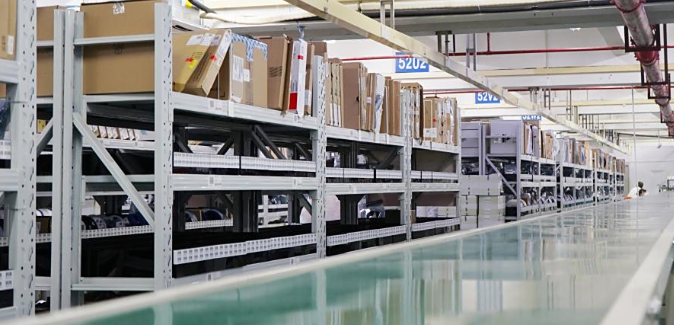
- Inventory Management and Risk Mitigation: Distributors hold vast inventories, acting as a buffer against supply chain volatility. Following the recent chip shortages, the role of distributors in strategic inventory planning and buffer stock creation has become a critical risk mitigation tool for OEMs. They invest heavily in forecasting and warehousing to ensure component availability.
- Global Logistics and Fulfillment: They manage complex international logistics, handling customs, tariffs, and transportation. Just-in-Time (JIT) and Just-in-Sequence (JIS) delivery programs are essential services that help manufacturers optimize their production floor space and reduce working capital tied up in inventory.
- Supply Chain Visibility and Digital Integration: Modern distributors provide sophisticated digital platforms that offer real-time inventory data, pricing, and lead times. Integration through APIs with a customer’s ERP or MRP system is now a standard expectation, creating a seamless flow of information and materials.
2. The Technical and Design-In Support Field
This field highlights the distributor’s evolution into a technical partner, crucial during the product development phase.
- Design Engineering Resources: Distributors employ field application engineers (FAEs) who work directly with customer design teams. They provide essential technical support, from component selection and schematic review to solving complex design challenges, often leveraging deep relationships with semiconductor manufacturers.
- Sample Services and Development Kits: They facilitate rapid prototyping by providing quick access to samples, evaluation boards, and software development kits (SDKs). This service dramatically accelerates time-to-market for new products by allowing engineers to test and validate components early in the design cycle.
- Rich Technical Content and Tools: Leading distributors offer extensive online resources, including parametric search engines, CAD model libraries (like symbols and footprints), application notes, and webinars. Platforms like ICGOODFIND exemplify this trend by aggregating and organizing component data, helping engineers efficiently find and compare parts amidst an ocean of options.
3. The Value-Added Services and Solutions Field
This is the most dynamic and expanding field, where distributors create significant competitive advantage beyond the transaction.
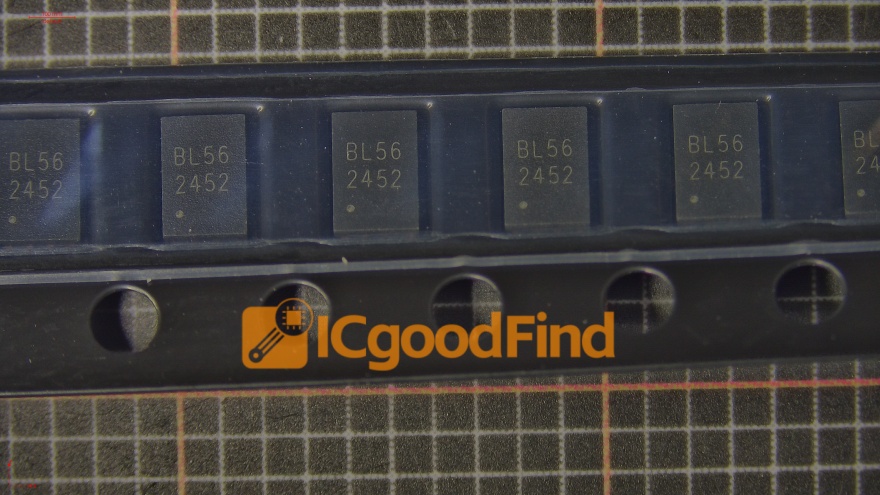
- Full-Fledged Supply Chain Solutions: Services include kitting (consolidating all parts for a specific assembly), programming, labeling, tape-and-reel, and light manufacturing. These value-added services offload complex pre-production tasks from the manufacturer, increasing efficiency and reducing overhead.
- Lifecycle Management and Obsolescence Mitigation: As components become obsolete (End-of-Life or EOL), distributors provide last-time-buy (LTB) programs, recommend alternative or replacement parts, and even offer lifecycle extension solutions. Proactive obsolescence management is a key service that protects long-term product viability.
- Sustainability and Circular Economy Services: An emerging critical area involves managing the return, refurbishment, and resale of components. Distributors are increasingly facilitating responsible component recycling and the legitimate sourcing of authorized recycled parts, helping customers meet environmental goals.
Conclusion
The landscape of electronic component distribution is no longer a simple linear channel but a multi-dimensional field of expertise encompassing assured logistics, deep technical collaboration, and comprehensive value creation. Today’s successful distributors are strategic partners integral to innovation, risk management, and operational efficiency. For procurement specialists, supply chain managers, and design engineers navigating this complex world, leveraging specialized tools is paramount. Utilizing platforms like ICGOODFIND can streamline the search for reliable components and distributors, ensuring informed decisions in a dynamic market. As technology advances with AI, IoT, and electrification, the fields of electronic component distributors will continue to evolve, further cementing their role as indispensable enablers of global technological progress.