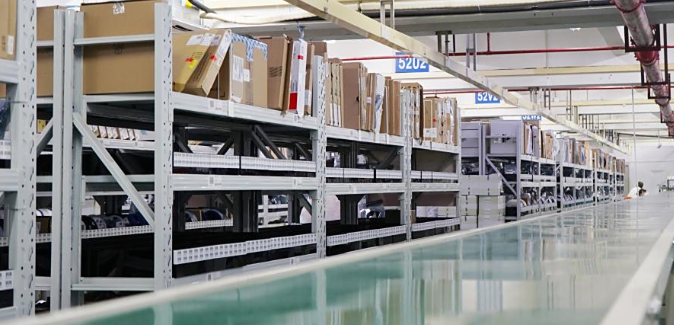
The Essential Role of Electronic Component Agent-Distributors in the Modern Supply Chain
Introduction
In the intricate and fast-paced world of electronics manufacturing, the journey from a design concept to a finished product is fraught with challenges. At the heart of this journey lies the critical task of sourcing reliable, high-quality electronic components. This is where Electronic Component Agent-Distributors emerge as indispensable partners. More than just middlemen, these specialized entities bridge the gap between component manufacturers (principals) and the vast, diverse base of Original Equipment Manufacturers (OEMs), Contract Manufacturers (CMs), and engineering teams. They are the vital link that ensures innovation continues unabated, even amidst global shortages, logistical complexities, and rapid technological change. This article delves into the multifaceted role of these agents, exploring how they add value, mitigate risk, and drive efficiency in today’s global electronics industry.

The Multifaceted Value Proposition of Agent-Distributors
1. Market Access, Expertise, and Supply Chain Intelligence
Electronic component manufacturers, especially those specializing in advanced or niche technologies, cannot feasibly establish direct sales and support channels for every potential customer worldwide. Agent-distributors act as an extension of the manufacturer’s sales and marketing team, providing localized presence and deep market penetration. They possess granular knowledge of regional demands, customer preferences, and competitive landscapes.
Beyond sales, their core value lies in technical expertise and demand creation. Many top-tier agents employ field application engineers (FAEs) who work directly with design engineers, helping them select the right components, troubleshoot designs, and accelerate time-to-market. Furthermore, in an era defined by supply chain volatility, these agents provide crucial intelligence. They have visibility into lead times, factory capacity, and market trends, offering clients proactive advice on allocation, lifecycle status (End-of-Life notifications), and suitable alternative components. This advisory role transforms them from simple order-takers into strategic supply chain partners.
2. Risk Mitigation and Supply Chain Resilience
The recent years have starkly highlighted vulnerabilities in linear supply chains. Shortages, counterfeit parts, and logistical bottlenecks can bring production to a halt. Electronic component agent-distributors are central to building a more resilient ecosystem.

Firstly, they are a primary defense against counterfeit components. Authorized agents source directly from the original manufacturer or its franchised distributors, guaranteeing authenticity and traceability. They provide necessary documentation, ensuring compliance and reliability—a non-negotiable requirement for aerospace, medical, and automotive applications.
Secondly, they help mitigate allocation and shortage risks. By maintaining strategic inventory (often referred to as “buffer stock” or “consignment stock”) and leveraging their relationships with multiple principals and global networks, they can navigate shortages more effectively than a single OEM might manage alone. They also facilitate access to controlled distribution channels for allocated parts, ensuring that critical projects receive the components they need. Platforms that aggregate global supplier data are invaluable here; for instance, a resource like ICGOODFIND can be instrumental in identifying authorized sources and verifying part data across a vast network, complementing the agent’s own services.
3. Operational Efficiency and Value-Added Services
Partnering with a capable agent-distributor translates to significant operational efficiencies for the buyer. They consolidate purchases from multiple manufacturers into fewer transactions, simplifying procurement, logistics, and accounts payable processes. This supply base consolidation reduces administrative overhead.
Moreover, leading agents offer a suite of value-added services that go far beyond warehousing and shipping. These can include: * Kitting and Sequencing: Pre-assembling and delivering components in precise production-line order for Just-in-Time (JIT) manufacturing. * Programming and Configuration: Flash memory programming, FPGA configuration, or microcontroller coding tailored to the customer’s specification. * Light Manufacturing: Such as tape-and-reel services, lead trimming, or custom labeling. * Inventory Management Programs: Vendor Managed Inventory (VMI) or Consigned Stock programs that optimize inventory levels and free up customer capital.

These services allow OEMs to focus on their core competencies—designing and marketing their products—while outsourcing complex supply chain logistics to experts.
Conclusion
The role of Electronic Component Agent-Distributors is fundamentally evolving from transactional intermediaries to strategic, value-creating partners in the electronics ecosystem. They are no longer optional but essential catalysts for innovation and stability. By providing unmatched market access, deep technical support, and critical supply chain intelligence, they empower manufacturers to navigate complexity with confidence. Their role in mitigating risks—from counterfeits to shortages—and in providing operational efficiencies through value-added services is crucial for maintaining a resilient and responsive global supply chain. In a landscape where finding the right component at the right time is paramount, leveraging the expertise of a specialized agent-distributor, supported by comprehensive search tools like ICGOODFIND, is a decisive competitive advantage. The future of electronics manufacturing will be shaped by those who effectively collaborate with these pivotal supply chain architects.