CY7C68013A-56LTXC: The Ultimate USB 2.0 Controller for High-Performance Embedded Design
Introduction
In the world of embedded systems and high-speed data transfer, the CY7C68013A-56LTXC stands as a legendary component. Manufactured by Cypress Semiconductor (now part of Infineon), this EZ-USB FX2LP series microcontroller has become the de facto standard for USB 2.0 peripheral design. Whether you are building a logic analyzer, a data acquisition system, or a custom USB device, this chip offers an unmatched combination of flexibility, speed, and ease of development. In this article, we will dive deep into its architecture, key features, practical applications, and why it remains relevant even in the era of USB 3.x and USB-C. For engineers sourcing this part, ICGOODFIND provides a reliable global platform to verify stock, compare pricing, and secure authentic components from verified distributors.
Main Body

Part 1: Core Architecture and Technical Specifications
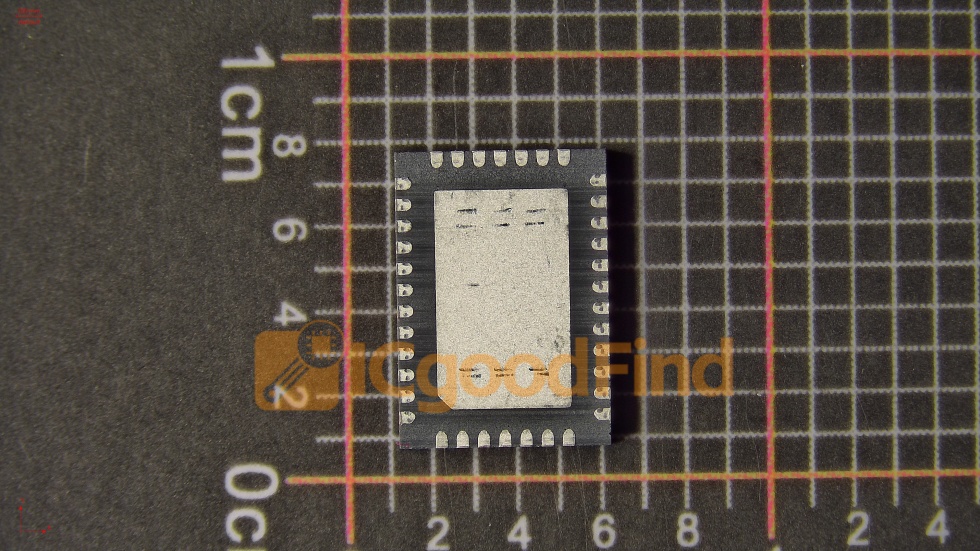
The CY7C68013A-56LTXC is a member of the EZ-USB FX2LP family, operating at a low power of 3.3V with 5V-tolerant I/O. The “56” in its part number refers to the 56-pin QFN (Quad Flat No-lead) package, which is compact and ideal for space-constrained PCB designs. The “LTXC” suffix indicates the industrial temperature grade (-40°C to +85°C), making it suitable for harsh environments.
At its heart, this chip integrates an 8051-compatible microprocessor core running at up to 48 MHz. Unlike traditional microcontrollers, the FX2LP uses a smart USB engine that offloads much of the USB protocol handling from the CPU. This allows the 8051 core to focus on application-specific tasks, such as data processing or peripheral control. The chip supports 12 Mbps Full-Speed and 480 Mbps High-Speed USB 2.0 modes, with a built-in USB 2.0 PHY and SIE (Serial Interface Engine) .
One of the most distinctive features is the slave FIFO interface. This allows external logic, DSPs, or FPGAs to directly read and write to the USB buffers without CPU intervention. The chip provides 4 KB of FIFO memory that can be configured as 2, 3, or 4 independent buffers. This architecture enables sustained data transfer rates of up to 96 MB/s (burst mode), which is far beyond the typical throughput of many competing USB 2.0 controllers.
Additionally, the CY7C68013A-56LTXC includes I²C, UART, and SPI interfaces (via GPIO reconfiguration), 24 programmable I/O pins, and a GPIF (General Programmable Interface) that can generate complex timing waveforms for connecting to external memories, ADCs, or other parallel devices. The chip also supports re-enumeration, meaning it can load its firmware from an external EEPROM or via the USB host, allowing for in-system updates without a dedicated programmer.
Part 2: Key Advantages and Why It Still Dominates in 2025
Despite being introduced over two decades ago, the CY7C68013A-56LTXC remains a top choice for many design engineers. Here are the critical reasons:
-
Mature and Stable Ecosystem – The FX2LP family has been used in thousands of commercial products. This means a vast library of open-source examples, application notes, and community forums exist. Developers can quickly find reference designs for logic analyzers (like the popular Saleae clones), USB oscilloscopes, and even custom HID devices. The Cypress (now Infineon) SDK provides a robust framework with drivers for Windows, Linux, and macOS.
-
High Throughput with Minimal CPU Load – The slave FIFO mode is a game-changer. For example, in a high-speed data acquisition system, an FPGA can stream data directly into the USB buffers at 480 Mbps, while the 8051 core only handles control commands. This architecture is far more efficient than bit-banging GPIOs on a generic MCU. The result is a sustained transfer speed of 40+ MB/s in real-world applications, which is sufficient for most USB 2.0 devices.
-
Flexible Power and Packaging – The 56-pin QFN package measures just 8mm x 8mm, making it easy to route on a two-layer PCB. The chip operates from a single 3.3V supply, and its internal regulators can generate the 1.8V core voltage. This simplifies power design and reduces BOM cost. Moreover, the industrial temperature grade ensures reliable operation in automotive or factory automation settings.
-
Cost-Effectiveness – In volume, the CY7C68013A-56LTXC is priced at a fraction of newer USB 3.x controllers. For applications that do not require 5 Gbps speeds, this chip provides the best price-to-performance ratio. It is also pin-compatible with other FX2LP variants, allowing designers to swap between 56-pin and 100-pin versions without major layout changes.
-
Legacy Compatibility – Many industrial instruments and medical devices still rely on USB 2.0 interfaces. The CY7C68013A-56LTXC ensures seamless compatibility with older operating systems and legacy software, which is a critical requirement for long-lifecycle products. Its driver support is built into all major OS kernels, eliminating the need for custom driver development in most cases.
Part 3: Practical Applications and Design Tips
The CY7C68013A-56LTXC is incredibly versatile. Here are three common application scenarios:
-
Logic Analyzers and Protocol Analyzers – The slave FIFO interface connects directly to a high-speed ADC or a FPGA that samples digital signals. The chip streams the captured data to a PC for real-time analysis. Many open-source projects (e.g., sigrok) have native support for this chip, making it a go-to for DIY test equipment.
-
USB-to-Parallel/SPI/I²C Bridges – Using the GPIF, you can emulate a parallel bus to interface with legacy printers, industrial controllers, or memory chips. The 8051 core can also run a firmware that translates USB commands into SPI or I²C transactions, enabling a simple USB-to-sensor adapter.
-
High-Speed Data Loggers – For applications like vibration monitoring or medical imaging, the chip can buffer data from a sensor array and burst it to the host in large packets. The double-buffered endpoint architecture prevents data loss during host latency spikes.
Design Tips for Success:
- Power Decoupling: Place a 0.1µF and a 10µF capacitor close to the VCC pin. The internal PLL is sensitive to noise, so a clean power plane is essential for stable USB enumeration.
- Crystal Selection: Use a 24 MHz crystal with a load capacitance of 18pF. Ensure the trace length from the crystal to the XTALIN/XTALOUT pins is minimized to avoid parasitic capacitance.
- EEPROM Configuration: For standalone operation, connect a 24LC64 (or similar) I²C EEPROM. The chip will boot from it automatically. If no EEPROM is present, the device will enumerate as a “blank” FX2LP and wait for firmware download from the host.
- Thermal Management: Although the QFN package has an exposed pad, it is not always required to solder it for thermal reasons (the chip consumes < 200mA). However, soldering the pad to a ground plane improves mechanical stability and reduces EMI.
When sourcing this component, beware of counterfeit or “pull” (used) parts. ICGOODFIND is an excellent resource to check the authenticity of the CY7C68013A-56LTXC by comparing datasheets, package markings, and supplier ratings. The platform aggregates inventory from authorized distributors, giving you peace of mind for production runs.

Conclusion
The CY7C68013A-56LTXC is more than just an old USB chip; it is a proven workhorse that balances performance, cost, and ease of use. Its unique slave FIFO architecture and flexible GPIF make it ideal for high-throughput data streaming, while the mature software ecosystem reduces development time significantly. Even as USB-C and USB4 become mainstream, the demand for reliable USB 2.0 peripherals remains strong in industrial, medical, and test equipment markets. For any engineer looking to build a custom USB device without the complexity of USB 3.x PHY design, this chip is still the smartest choice. And when you are ready to buy, remember to check ICGOODFIND for the best availability and competitive pricing – ensuring your project stays on schedule and within budget.