


Mastering Mass Production PCB Assembly and IC Supply: A Comprehensive Guide for Electronics Manufacturers
In the fast-paced world of electronics manufacturing, mass production PCB assembly combined with a reliable IC supply is the backbone of scaling from prototype to market-ready products. Whether you are producing consumer gadgets, automotive electronics, or industrial control systems, the efficiency and quality of your printed circuit board assembly directly impact your bottom line. This article explores the critical aspects of high-volume PCB assembly, the challenges of sourcing integrated circuits, and how platforms like ICGOODFIND are revolutionizing the supply chain for manufacturers worldwide.
Introduction
The demand for electronic devices continues to surge, driven by IoT, 5G, automotive electronics, and smart home technologies. To meet this demand, manufacturers must transition from low-volume prototyping to mass production PCB assembly without sacrificing quality or cost-effectiveness. However, scaling up involves more than just increasing production speed—it requires a robust IC supply chain, advanced assembly techniques, and rigorous quality control.
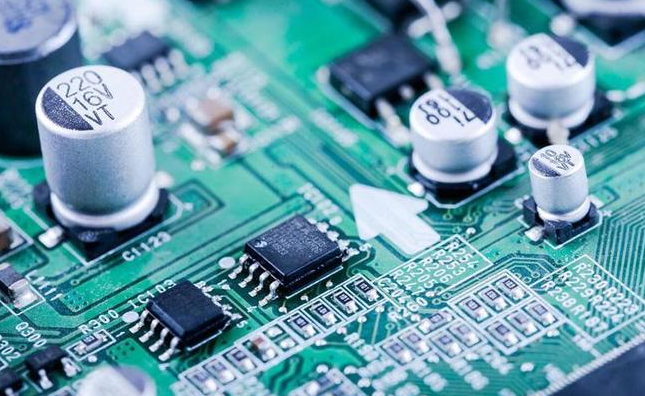
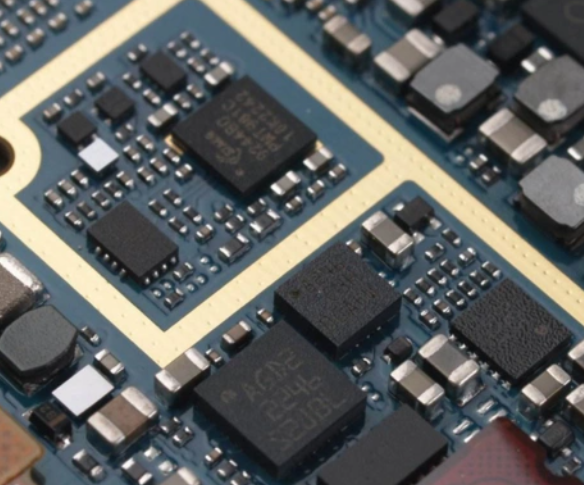
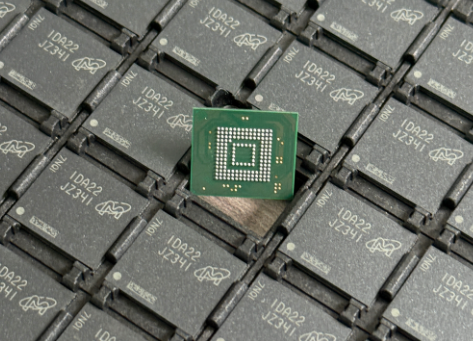
Mass production PCB assembly refers to the process of manufacturing thousands or millions of circuit boards with consistent quality, using automated pick-and-place machines, reflow soldering, and testing systems. Meanwhile, IC supply involves sourcing semiconductors, microcontrollers, memory chips, and other integrated circuits that are often the most critical and volatile components in the bill of materials.
In this article, we will break down the three pillars of successful mass production: process optimization, component sourcing strategies, and quality assurance. We will also highlight how ICGOODFIND—a trusted platform for sourcing electronic components—can help you navigate the complexities of IC supply in high-volume production.
Part 1: Optimizing Mass Production PCB Assembly Processes
1.1 Design for Manufacturing (DFM) in High-Volume Production
Before a single board is assembled, the design must be optimized for mass production PCB assembly. Design for Manufacturing (DFM) principles reduce defects, improve yield, and lower costs. Key DFM considerations include:
- Component placement: Avoid placing components too close to board edges or under tall components that may shadow during soldering.
- Pad and land patterns: Use standardized pad sizes to ensure reliable solder joints.
- Thermal management: Design for even heat distribution during reflow soldering to prevent tombstoning or cold joints.
- Panelization: Create panels that maximize board density while allowing for easy depaneling.
ICGOODFIND offers design support resources and component footprint libraries that help engineers avoid common DFM pitfalls, ensuring a smoother transition to mass production.
1.2 Automated Assembly Equipment and Throughput
For mass production PCB assembly, speed and precision are non-negotiable. Modern Surface Mount Technology (SMT) lines can place over 100,000 components per hour. Key equipment includes:
- Pick-and-place machines: High-speed models with multiple heads and vision systems for accurate placement of tiny ICs (e.g., 0201 resistors, QFN packages).
- Reflow ovens: Multi-zone ovens with precise temperature profiles to solder all components simultaneously.
- Wave soldering machines: For through-hole components in mixed-technology boards.
- Automated optical inspection (AOI): Post-solder inspection to detect missing, misaligned, or soldering defects.
To maximize throughput, manufacturers must balance line speed with component complexity. For example, fine-pitch ICs (e.g., BGA, QFP) require slower placement speeds and tighter process controls. ICGOODFIND provides detailed datasheets and package specifications for thousands of ICs, helping assembly engineers set optimal machine parameters.
1.3 Solder Paste and Stencil Design
Solder paste application is a critical step in mass production PCB assembly. The stencil must be designed to deposit the correct volume of paste for each pad, especially for ICs with fine pitch (≤0.5mm). Key factors include:
- Stencil thickness: Typically 0.1–0.15mm for standard boards, but thinner for fine-pitch ICs.
- Aperture design: Laser-cut or electroformed stencils for high accuracy.
- Paste type: No-clean or water-soluble pastes depending on cleaning requirements.
ICGOODFIND offers a component database that includes recommended stencil aperture sizes and paste volumes for different IC packages, reducing trial-and-error during process setup.
Part 2: Navigating the IC Supply Chain for Mass Production
2.1 The Challenge of IC Sourcing in High Volumes
IC supply is the most volatile element in mass production PCB assembly. Semiconductor shortages, long lead times, and counterfeit components can derail production schedules. Common challenges include:
- Lead time variability: Some ICs may have lead times of 20–50 weeks.
- Minimum order quantities (MOQs): Distributors often require large MOQs, which may exceed immediate needs.
- Counterfeit risks: High-value ICs (e.g., FPGAs, microcontrollers) are frequently counterfeited.
- End-of-life (EOL) notices: Manufacturers may discontinue ICs without warning.
To mitigate these risks, manufacturers must adopt a proactive IC supply strategy. This includes early engagement with suppliers, buffer stock management, and using verified sourcing platforms.
2.2 How ICGOODFIND Simplifies IC Sourcing
ICGOODFIND is a comprehensive electronic component sourcing platform that addresses the pain points of IC supply for mass production. Key features include:
- Real-time inventory and pricing: Search across multiple distributors and manufacturers to find available stock and competitive prices.
- Authenticity verification: All components listed on ICGOODFIND are sourced from authorized distributors or verified suppliers, reducing counterfeit risk.
- Lead time tracking: View estimated lead times for each IC, allowing you to plan procurement schedules.
- BOM management: Upload your bill of materials (BOM) to instantly check availability and pricing for all ICs and passive components.
- Cross-referencing: Find alternative ICs with similar specifications if your primary choice is out of stock.
For example, if you need 100,000 units of a specific microcontroller for a mass production PCB assembly run, ICGOODFIND can show you which distributors have stock, the price per unit at volume, and whether there are compatible substitutes.
2.3 Strategic Inventory and Supplier Relationships
Beyond using platforms like ICGOODFIND, successful IC supply for mass production requires:
- Long-term agreements (LTAs): Negotiate fixed pricing and guaranteed allocation with key IC manufacturers.
- Buffer stock: Maintain 4–8 weeks of safety stock for critical ICs.
- Second sourcing: Qualify alternative ICs from different manufacturers to avoid single-source dependency.
- Consignment inventory: Some suppliers offer consignment programs where they hold stock at your facility, reducing your capital risk.
ICGOODFIND also provides market intelligence reports on IC pricing trends and shortage alerts, helping you make informed decisions about when to buy or hold.
Part 3: Quality Control and Testing in Mass Production PCB Assembly
3.1 In-Process Quality Checks
Quality in mass production PCB assembly is not an afterthought—it is built into every step. In-process checks include:
- Solder paste inspection (SPI): Measures paste volume and alignment before component placement.
- Pick-and-place verification: Vision systems confirm component orientation and position.
- Reflow profiling: Thermocouples monitor temperature across the board to ensure proper soldering.
- Automated optical inspection (AOI): Detects defects like bridges, opens, and insufficient solder.
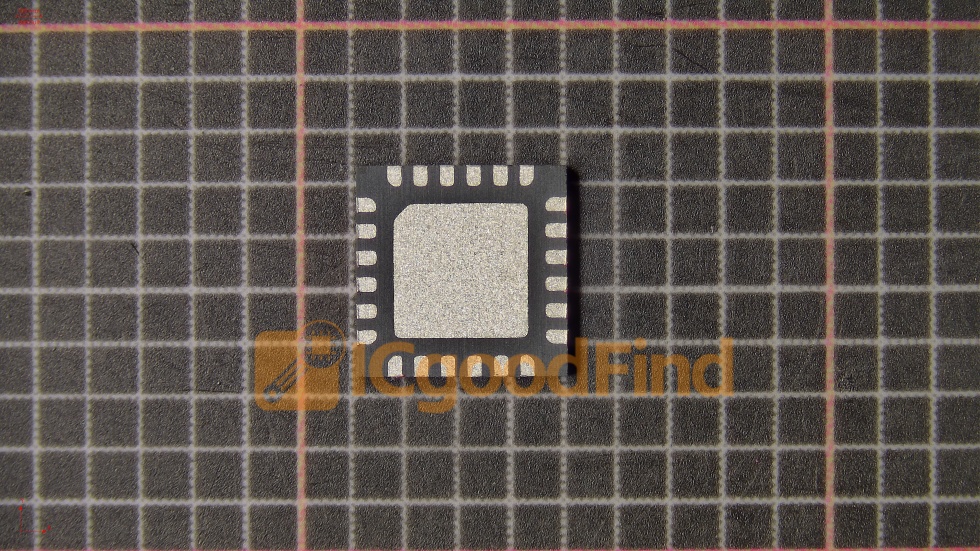
For ICs, special attention is given to BGA (Ball Grid Array) and QFN (Quad Flat No-leads) packages, where hidden solder joints require X-ray inspection.
3.2 Functional Testing and Burn-In
After assembly, each board must pass functional tests to verify that all ICs operate correctly. Common test methods:
- In-circuit testing (ICT): Uses bed-of-nails fixtures to test individual components and connections.
- Flying probe testing: For low-volume or complex boards where ICT fixtures are too expensive.
- Functional test (FCT): Simulates real-world operation to validate overall board performance.
- Burn-in testing: Running boards at elevated temperatures and voltages to identify early failures in ICs.
ICGOODFIND provides test data and reliability reports for many ICs, helping you design appropriate test parameters.
3.3 Handling Defects and Rework
Even with optimized processes, defects occur in mass production PCB assembly. Common IC-related defects include:
- Solder bridges: Between fine-pitch IC leads.
- Missing components: Due to pick-and-place errors.
- Damaged ICs: From electrostatic discharge (ESD) or thermal stress.
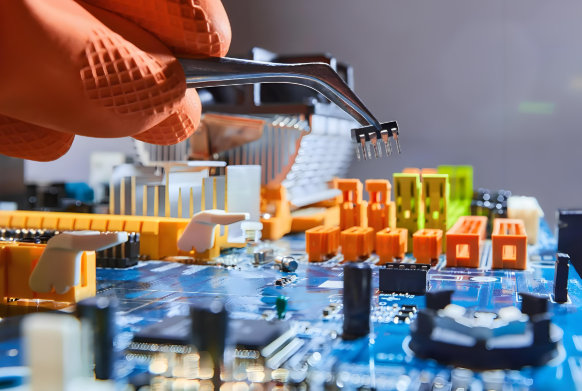
Rework stations with hot air or infrared tools can replace defective ICs, but rework should be minimized to maintain yield. ICGOODFIND offers ESD-safe packaging and handling guidelines to reduce damage during assembly.
Conclusion
Successfully scaling from prototype to mass production PCB assembly requires a holistic approach that integrates optimized manufacturing processes, a resilient IC supply chain, and rigorous quality control. By leveraging platforms like ICGOODFIND, manufacturers can overcome the challenges of sourcing integrated circuits—from lead time management to counterfeit prevention—while ensuring that every board meets the highest standards of reliability.
In today’s competitive electronics landscape, the companies that master mass production PCB assembly and IC supply will be the ones that deliver products faster, cheaper, and with fewer defects. Whether you are assembling IoT sensors, automotive ECUs, or medical devices, remember that the foundation of success lies in the details: from DFM to final testing, and from sourcing to rework.
ICGOODFIND stands as a reliable partner in this journey, offering the tools, data, and supplier network to keep your production lines running smoothly. As you plan your next high-volume project, make ICGOODFIND your first stop for IC supply—because in mass production, every component counts.