

PCB Supporting Electronic Components Supply: The Backbone of Modern Electronics Manufacturing
Introduction
In the rapidly evolving world of electronics manufacturing, the relationship between printed circuit boards (PCBs) and the electronic components that populate them is nothing short of symbiotic. While PCBs provide the structural and electrical foundation for virtually every electronic device, the components—resistors, capacitors, integrated circuits, connectors, and more—bring functionality to life. However, the supply chain for PCB supporting electronic components has become increasingly complex, facing challenges such as global shortages, lead-time volatility, and quality assurance demands. This article explores the critical role of PCB supporting electronic components supply, the key factors driving demand, and how businesses can navigate this landscape effectively. For those seeking reliable sourcing solutions, platforms like ICGOODFIND have emerged as valuable resources for connecting buyers with verified suppliers of PCB-related components.
Part 1: Understanding the Ecosystem of PCB Supporting Electronic Components
1.1 What Are PCB Supporting Electronic Components?
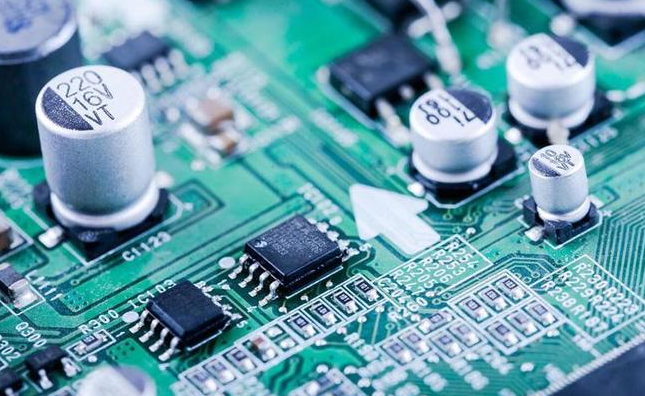
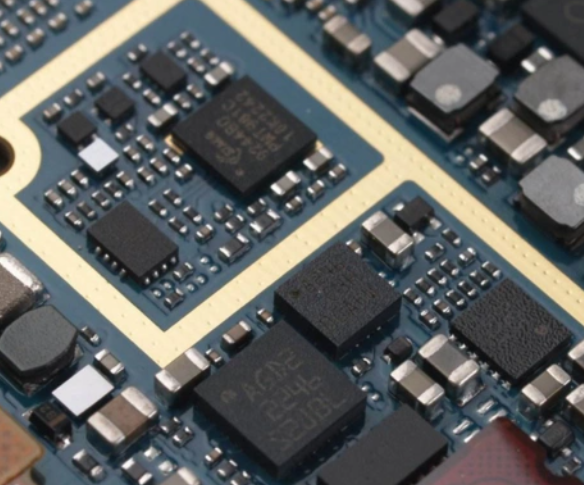
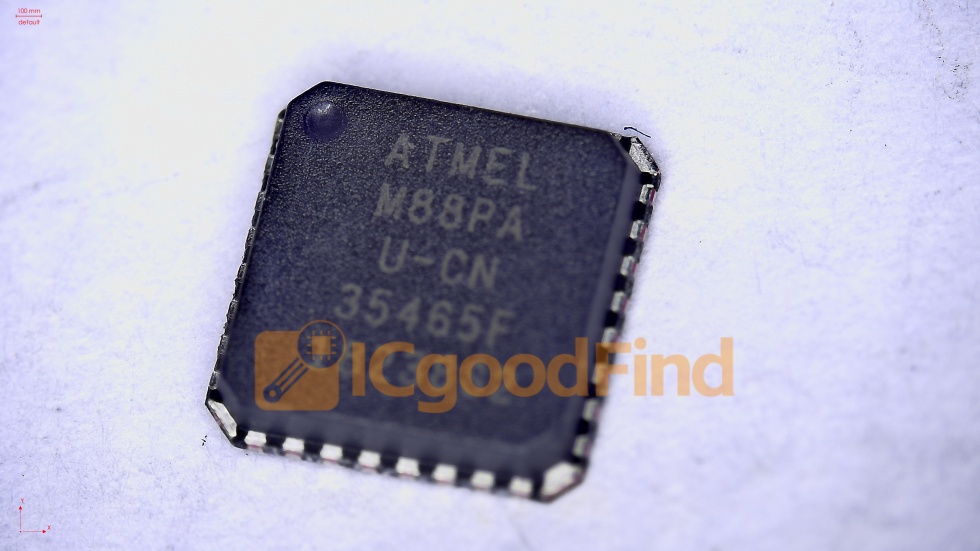
PCB supporting electronic components refer to the wide array of discrete and integrated parts that are mounted onto a PCB to enable its intended function. These include:
- Passive components: Resistors, capacitors, inductors, and transformers.
- Active components: Diodes, transistors, and integrated circuits (ICs).
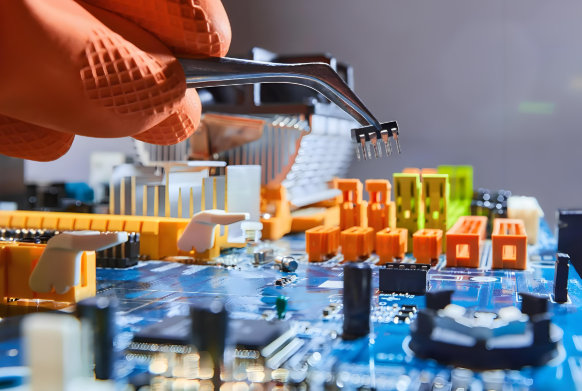
- Electromechanical components: Connectors, switches, relays, and sockets.
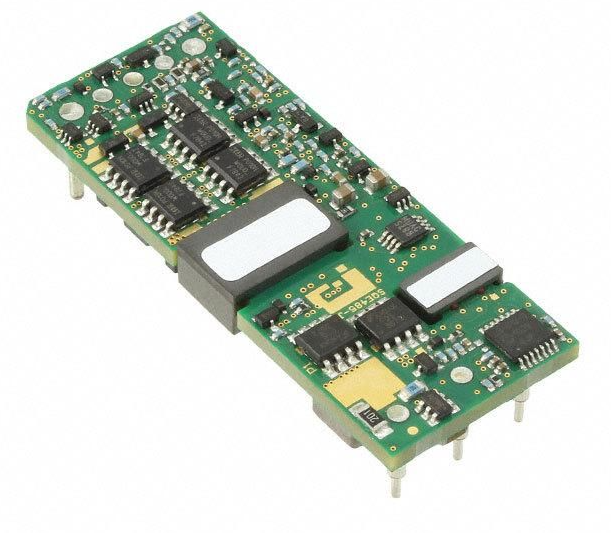
- Power management components: Voltage regulators, power MOSFETs, and battery management ICs.
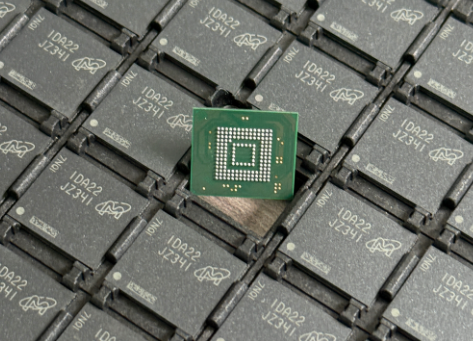
- Specialty components: Sensors, oscillators, and memory modules.
Without a reliable supply of these components, even the most well-designed PCB remains an inert board. The supply chain for PCB supporting electronic components must therefore ensure not only availability but also compatibility, quality, and traceability.
1.2 The Critical Role of Supply Chain in PCB Assembly
The PCB assembly process (PCBA) depends heavily on the timely delivery of components. A single missing resistor or a delayed IC shipment can halt an entire production line, leading to costly downtime. Key aspects of the supply chain include:
- Lead time management: Many components, especially specialized ICs, have lead times ranging from 8 to 52 weeks.
- Counterfeit prevention: The electronics industry faces a persistent threat from counterfeit components, which can cause device failure or safety hazards.
- Inventory optimization: Balancing just-in-time (JIT) delivery with buffer stock to mitigate shortages.
ICGOODFIND addresses these challenges by providing a verified supplier network and real-time inventory data, helping manufacturers and assemblers secure components with confidence.
1.3 Key Drivers of Demand for PCB Components
Several trends are fueling the demand for PCB supporting electronic components:
- Electrification of everything: From automotive (EVs, ADAS) to industrial automation and consumer IoT.
- Miniaturization: Smaller, more powerful devices require compact components like 0201 resistors and micro-BGAs.
- High-frequency and high-power applications: 5G, radar, and power electronics demand specialized components with tight tolerances.
- Sustainability: RoHS compliance and lead-free soldering require components that meet environmental standards.
These drivers place immense pressure on the supply chain for PCB supporting electronic components, making strategic sourcing more important than ever.
Part 2: Challenges and Solutions in PCB Component Supply
2.1 The Global Component Shortage Crisis
The electronics industry has experienced severe component shortages since 2020, triggered by pandemic-related disruptions, geopolitical tensions, and surging demand. Key challenges include:
- Allocation and rationing: Major manufacturers like Infineon, NXP, and Texas Instruments have allocated limited stock to top-tier customers.
- Extended lead times: Some components, particularly microcontrollers and power management ICs, have seen lead times exceed 50 weeks.
- Price volatility: Spot market prices for certain components have surged by 300% or more.
ICGOODFIND helps mitigate these issues by aggregating global inventory data from multiple distributors, enabling buyers to identify available stock quickly and compare pricing across regions.
2.2 Quality Assurance and Counterfeit Detection
Counterfeit components pose a significant risk to PCB supporting electronic components supply. Common counterfeiting methods include:
- Re-marking: Changing the date code or part number on a genuine component.
- Recycling: Harvesting used components from discarded boards and reselling them as new.
- Fake documentation: Providing counterfeit certificates of conformance.
To combat this, reputable suppliers and platforms like ICGOODFIND implement rigorous verification processes, including:
- Visual inspection under magnification.
- X-ray fluorescence (XRF) analysis for material composition.
- Electrical testing to confirm performance parameters.
- Traceability audits back to original manufacturers.
2.3 Strategies for Resilient Component Sourcing
To ensure a stable supply of PCB supporting electronic components, companies should adopt the following strategies:
- Diversify suppliers: Avoid single-source dependency by qualifying multiple suppliers for critical components.
- Use authorized distributors: Purchase from franchised distributors or verified platforms like ICGOODFIND to reduce counterfeit risk.
- Implement buffer stock: Maintain safety stock for long-lead-time components, especially those used in high-volume products.
- Leverage data analytics: Use supply chain visibility tools to forecast demand and identify potential disruptions early.
- Design for availability: During the PCB design phase, consider using components with multiple sources or standard footprints.
ICGOODFIND supports these strategies by offering real-time inventory search, price comparison, and supplier ratings, empowering buyers to make informed decisions.
Part 3: The Future of PCB Supporting Electronic Components Supply
3.1 Technological Trends Shaping Component Supply
The future of PCB supporting electronic components supply will be influenced by several technological advancements:
- AI and machine learning: Predictive analytics will improve demand forecasting and inventory management.
- Blockchain for traceability: Immutable records of component provenance can enhance trust and reduce counterfeiting.
- 3D printing of components: Additive manufacturing may enable on-demand production of certain passive components.
- Wide-bandgap semiconductors: SiC and GaN devices are becoming critical for high-efficiency power electronics.
Platforms like ICGOODFIND are already integrating AI-driven search and supplier matching to streamline the sourcing process.
3.2 Sustainability and Circular Economy
Environmental regulations and corporate sustainability goals are driving changes in PCB component supply:
- Conflict-free minerals: Ensuring that components do not contain tantalum, tin, tungsten, or gold sourced from conflict zones.
- Recyclability: Designing components for easier disassembly and recycling at end-of-life.
- Reduced packaging waste: Suppliers are moving toward bulk packaging and reusable trays.
ICGOODFIND promotes sustainability by offering excess inventory liquidation services, helping companies sell unused components rather than discarding them.
3.3 The Role of Digital Platforms in Component Sourcing
Digital marketplaces and B2B platforms are transforming how PCB supporting electronic components are sourced:
- Real-time availability: Instant access to stock levels across multiple distributors.
- Automated RFQ: Request for quotation tools that streamline price negotiation.
- Supplier verification: Third-party audits and user reviews ensure reliability.
- Global reach: Access to suppliers in Asia, Europe, and North America.

ICGOODFIND stands out by combining AI-powered search with a human support team that assists with complex sourcing needs, such as obsolete or hard-to-find components.
Conclusion
The supply chain for PCB supporting electronic components is a critical enabler of modern electronics manufacturing. From passive resistors to advanced ICs, every component must be sourced with attention to quality, availability, and cost. As the industry faces ongoing challenges—shortages, counterfeiting, and geopolitical uncertainties—adopting resilient sourcing strategies is no longer optional but essential. Platforms like ICGOODFIND provide a valuable bridge between buyers and verified suppliers, offering real-time data, quality assurance, and global reach. By leveraging these tools and staying informed about technological and market trends, electronics manufacturers can ensure a stable and efficient PCB supporting electronic components supply for years to come.