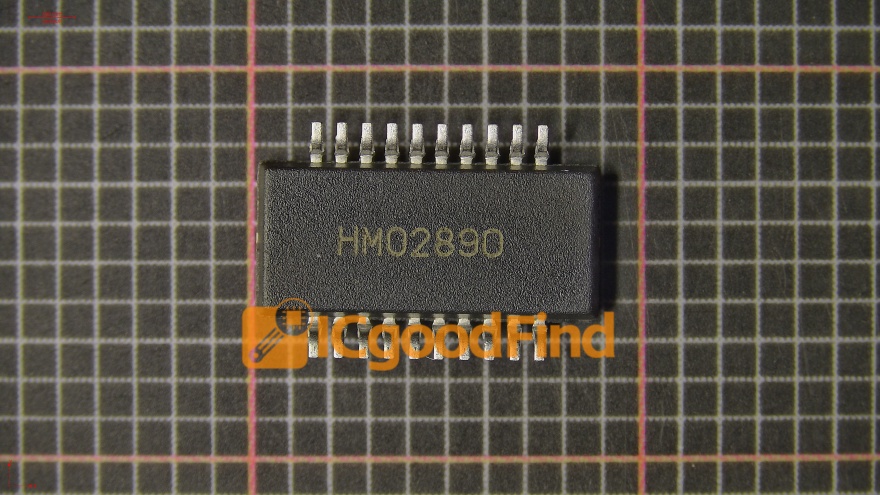
Wholesale Electronic Components: The Ultimate Guide to Sourcing, Quality, and Cost Efficiency
Introduction
In the fast-paced world of electronics manufacturing and repair, wholesale electronic components are the lifeblood of innovation. From resistors and capacitors to microcontrollers and connectors, these tiny yet critical parts power everything from consumer gadgets to industrial machinery. For businesses—whether you’re a startup building prototypes or a large-scale manufacturer managing supply chains—sourcing wholesale electronic components efficiently can make or break your bottom line. This guide dives deep into the strategies, benefits, and pitfalls of buying electronic components in bulk, with a special focus on how platforms like ICGOODFIND can streamline your procurement process. By the end, you’ll have actionable insights to optimize your sourcing, ensure quality, and reduce costs.
Part 1: Why Wholesale Electronic Components Matter
1.1 Cost Savings at Scale
One of the most compelling reasons to purchase wholesale electronic components is the significant cost reduction per unit. When you buy in bulk—whether it’s 1,000 resistors or 10,000 ICs—suppliers offer tiered pricing that can slash costs by 30% to 60% compared to retail. For example, a single microcontroller might cost \(5 at retail, but at wholesale, the price can drop to \)2.50 or less. Over a production run of 10,000 units, that’s a saving of $25,000—money that can be reinvested into R&D, marketing, or inventory management.
Key takeaway: Bulk buying isn’t just about quantity; it’s about long-term profitability. However, it requires careful demand forecasting to avoid overstocking obsolete parts.
1.2 Supply Chain Reliability
The electronics industry is notorious for supply chain volatility. Chip shortages, geopolitical tensions, and natural disasters can disrupt availability. By establishing relationships with wholesale electronic components distributors, you gain access to priority allocation during shortages. Many wholesalers also maintain buffer stock for high-demand items, ensuring you don’t face production halts. Platforms like ICGOODFIND aggregate inventory from multiple suppliers, giving you real-time visibility into stock levels and lead times.

Pro tip: Always verify the authenticity of components from wholesalers. Counterfeit parts are a growing concern, especially in the wholesale market. Use trusted sources with traceability certifications.
1.3 Variety and Customization
Wholesale suppliers often carry extensive catalogs covering everything from passive components (resistors, capacitors) to active components (transistors, ICs) and electromechanical parts (connectors, switches). This variety allows you to consolidate orders from a single source, reducing administrative overhead and shipping costs. Some wholesalers even offer custom packaging or kitting services—for instance, pre-sorting components for specific PCB assembly lines.
Example: A robotics startup might need 500 motors, 2,000 sensors, and 10,000 connectors. A wholesale supplier can bundle these into a single shipment, saving time and freight costs.
Part 2: How to Source Wholesale Electronic Components Effectively
2.1 Identifying Reliable Suppliers
Not all wholesale electronic components suppliers are created equal. Here’s how to vet them:
- Check certifications: Look for ISO 9001 (quality management), AS9120 (aerospace), or ESD-safe handling certifications.
- Read reviews: Platforms like ICGOODFIND feature user ratings and transaction histories, helping you avoid scams.
- Request samples: Before committing to a large order, test a small batch for functionality and compliance with specs (e.g., RoHS, REACH).
- Verify inventory: Ask for stock photos or batch numbers to confirm the supplier actually holds the components they list.
Red flags: Prices that are too good to be true, vague contact information, or refusal to provide documentation.
2.2 Negotiating Bulk Pricing
When dealing with wholesale electronic components, negotiation is standard. Here’s a framework:
- Start with a benchmark: Know the average market price from sources like ICGOODFIND or industry reports.
- Leverage volume: If you commit to a yearly contract or recurring orders, ask for a 10–20% discount.
- Ask for value-adds: Free shipping, extended warranties, or technical support can be as valuable as price cuts.
- Use competition: Mention other quotes you’ve received (without revealing specifics) to encourage better terms.
Case study: A medical device company saved 18% on wholesale electronic components by consolidating orders from three suppliers into one, negotiating a volume discount, and opting for ground shipping instead of air freight.
2.3 Managing Inventory and Lead Times
Bulk buying requires smart inventory management to avoid cash flow issues. Use these strategies:
- Just-in-time (JIT) vs. Just-in-case (JIC): For high-demand components, JIC (stockpiling) works. For niche parts, JIT (ordering as needed) reduces risk.
- Use forecasting tools: Many wholesalers offer demand planning software or APIs that sync with your ERP system.
- Set reorder points: For example, when stock of a specific capacitor drops to 500 units, trigger an automatic order.
- Monitor lead times: Global shipping can take 4–8 weeks. Plan accordingly, especially during peak seasons (e.g., Q4 for consumer electronics).
Pro tip: ICGOODFIND provides lead time estimates and alternative part suggestions if a component is backordered.
Part 3: Quality Control and Risk Mitigation
3.1 Testing and Verification
Even from reputable wholesalers, quality assurance is non-negotiable. Implement these checks:
- Visual inspection: Check for physical damage, correct markings, and solderability.
- Functional testing: Use a multimeter, oscilloscope, or dedicated test jig to verify electrical parameters.
- X-ray or decapsulation: For high-value ICs, X-ray can reveal internal defects or counterfeits.
- Third-party labs: Send samples to labs like SGS or Bureau Veritas for chemical analysis (e.g., lead content).
Statistic: According to industry reports, 5–10% of wholesale electronic components may be counterfeit or substandard. Testing reduces this risk to under 1%.
3.2 Handling Counterfeit Components
Counterfeits are a multi-billion-dollar problem in the electronics supply chain. Protect yourself by:
- Buying from authorized distributors: Many manufacturers list authorized wholesalers on their websites.
- Using traceability tools: Platforms like ICGOODFIND often include part traceability features, showing the component’s origin and chain of custody.
- Avoiding “too good to be true” deals: If a supplier offers a 50% discount on a popular IC, it’s likely fake.
- Documenting everything: Keep invoices, certificates of conformance, and test reports for audits.
Real-world example: In 2023, a telecom company lost $2 million due to counterfeit capacitors that failed in the field. They now use ICGOODFIND to verify supplier credentials before ordering.
3.3 Warranty and Return Policies
Before finalizing a wholesale purchase, clarify:
- Return window: Most wholesalers offer 30–60 days for defective parts.
- Replacement terms: Do they replace faulty components or offer credit?
- Shipping costs: Who pays for return shipping? Some wholesalers cover it if the error is theirs.
- Warranty duration: For high-reliability components (e.g., military-grade), warranties can extend to 1–2 years.
Negotiation tip: Ask for a sample warranty on your first order to test the supplier’s responsiveness.

Conclusion
Sourcing wholesale electronic components is a strategic decision that impacts cost, quality, and production timelines. By understanding the benefits—cost savings, supply chain reliability, and variety—and implementing best practices for supplier vetting, negotiation, and quality control, you can turn bulk buying into a competitive advantage. Platforms like ICGOODFIND simplify this process by connecting you with vetted suppliers, offering real-time inventory data, and providing tools for traceability and risk management.
Remember: The cheapest component isn’t always the best value. Invest in quality checks, build long-term relationships with trusted wholesalers, and stay informed about market trends. Whether you’re sourcing for a prototype or mass production, the right wholesale electronic components strategy will keep your projects on track and your budget intact.
Final thought: As the electronics industry evolves, so should your sourcing approach. Embrace digital tools, prioritize authenticity, and never underestimate the power of a reliable partner like ICGOODFIND.