


Mastering the Sales of IC Electronic Components: A Strategic Guide
Introduction
The global market for Integrated Circuit (IC) electronic components is the pulsating heart of the modern technological landscape. From the smartphone in your pocket to the sophisticated industrial automation systems powering factories, ICs are the fundamental building blocks. The sales of IC electronic components is not merely a transactional business; it is a complex, dynamic, and highly strategic field that sits at the intersection of technology, global supply chains, and economic forces. Success in this domain requires more than just a product catalog; it demands deep market intelligence, robust supply chain management, and an unwavering commitment to quality and reliability. As demand for smarter, faster, and more efficient electronics continues to surge across industries like automotive, telecommunications, and consumer electronics, mastering the intricacies of selling these critical components becomes paramount for distributors, suppliers, and purchasing managers alike. This article delves into the core strategies, challenges, and future trends that define the successful sales of IC electronic components, highlighting how platforms like ICGOODFIND are revolutionizing the way industry professionals connect and conduct business.
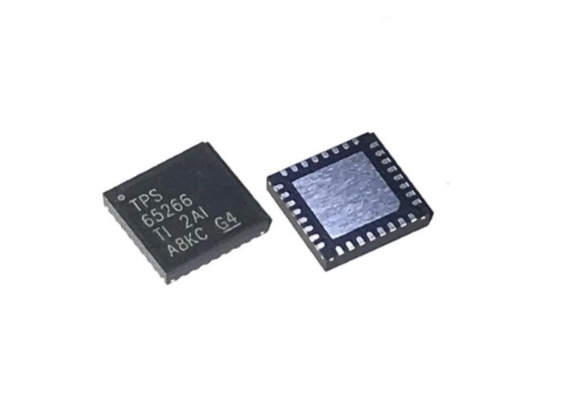
The Core Dynamics of the IC Components Market
Understanding the fundamental dynamics of the IC market is the first step toward sales success. This market is characterized by its volatility, technological rapid evolution, and intense global competition.
Navigating Supply Chain Volatility and Component Shortages
One of the most significant challenges in the sales of IC electronic components is managing the inherent volatility of the supply chain. The past few years have been a stark reminder of this reality, with widespread shortages bringing production lines to a halt across the globe. Several factors contribute to this fragility. Geopolitical tensions can disrupt trade routes and impose restrictions on key manufacturing regions. Limited production capacity at semiconductor fabrication plants (fabs) means that a sudden spike in demand, such as the one driven by the 5G rollout and the automotive industry’s electrification, can quickly outstrip supply. Furthermore, complex manufacturing processes for advanced nodes (e.g., 7nm, 5nm, and below) require immense capital investment and long lead times, making it difficult to rapidly scale production.
For sales professionals, this environment necessitates a proactive approach. It’s no longer sufficient to be a passive order-taker. Successful sellers must provide value-added services such as inventory management programs, long-term supply agreements, and risk mitigation strategies. They need to have their finger on the pulse of global events, anticipating disruptions before they occur and securing multiple sourcing options to ensure continuity for their clients. Building strong, transparent relationships with both suppliers and customers is crucial for navigating these turbulent waters.
The Critical Role of Technical Expertise and Value-Added Services
In a market flooded with countless components from numerous manufacturers, competing on price alone is a race to the bottom. The true differentiator in the sales of IC electronic components is technical expertise and value-added services. Purchasers, especially those working on cutting-edge products, are not just buying a part number; they are buying a solution to an engineering challenge.
Sales teams must be equipped to understand their clients’ applications at a deep level. This includes knowledge of: * Technical Specifications: Deep comprehension of datasheets, including operating voltages, current consumption, packaging (QFN, BGA, etc.), temperature ranges, and signal integrity requirements. * Application Knowledge: Understanding how a specific IC will be used in an end-product, whether it’s a medical device requiring high reliability or a consumer gadget prioritizing low power consumption. * Alternate Sourcing: The ability to suggest functionally equivalent or second-source components when the primary part is unavailable, saving clients from costly redesigns.
Beyond advice, value-added services can include programming and configuration of microcontrollers and FPGAs, kitting services where multiple components are pre-packaged for streamlined assembly, and supply chain financing. These services transform a component distributor from a simple vendor into a strategic partner integral to the client’s success.
Leveraging Digital Platforms for Market Intelligence and Sourcing
The digital transformation has profoundly impacted how IC components are bought and sold. Gone are the days of relying solely on printed catalogs and phone calls. Today, sophisticated online platforms are essential tools for market intelligence and efficient sourcing. This is where specialized search engines and B2B marketplaces come into play.
Platforms like ICGOODFIND have emerged as powerful allies for both buyers and sellers in the electronics component industry. For sales professionals and purchasing managers, ICGOODFIND serves as a centralized hub to quickly locate scarce components, compare real-time pricing and availability from a global network of verified suppliers, and gain insights into market trends. The ability to instantly access this level of data empowers smarter, faster decision-making. For sellers, being visible on such platforms expands their reach to a global audience actively searching for their products. Utilizing digital tools for data analytics allows sales teams to predict demand patterns, identify emerging opportunities in specific sectors (like IoT or AI hardware), and optimize their inventory levels accordingly. Embracing these digital channels is no longer optional; it is a fundamental requirement for staying competitive in the modern sales of IC electronic components.
Strategies for Success in IC Component Sales
Thriving in this competitive field requires a deliberate and multi-faceted strategy that goes beyond traditional sales tactics.
Building Robust Supplier and Customer Relationships
At its core, the electronics component business is built on trust and reliability. Cultivating long-term partnerships with both upstream suppliers and downstream customers is the most sustainable strategy for growth. With suppliers, this means being a predictable and valuable channel partner. It involves providing accurate forecasts, paying on time, and working collaboratively during shortages rather than engaging in opportunistic price gouging.
On the customer side, relationship-building means becoming a trusted advisor. This involves: * Proactive Communication: Keeping clients informed about lead times, potential shortages, and obsolescence issues well in advance. * Reliability and Quality Assurance: Guaranteeing that every component supplied is authentic and sourced directly from authorized distributors or reputable sources to combat the pervasive threat of counterfeits. * Technical Support: Offering pre-sales and post-sales technical support to help clients integrate components successfully into their designs.
These strong relationships create a resilient network that can withstand market shocks and foster mutual growth.
Emphasizing Quality Assurance and Combating Counterfeits
The proliferation of counterfeit electronic components is a multi-billion dollar problem that poses serious risks to product reliability, safety, and brand reputation. For businesses engaged in the sales of IC electronic components, an uncompromising commitment to quality assurance is non-negotiable.
A single counterfeit component can lead to catastrophic failures in critical systems like aerospace, medical, or automotive applications. Therefore, establishing a rigorous quality management system is essential. This should include: * Supplier Vetting: Thoroughly auditing and qualifying all suppliers. * Advanced Testing: Utilizing techniques such as X-ray inspection, decapsulation, and electrical testing to verify authenticity. * Traceability: Maintaining full traceability for components back to the original manufacturer.
Promoting your commitment to selling only 100% authentic parts is not just a risk mitigation strategy; it is a powerful marketing message that builds immense trust with quality-conscious customers.
Adapting to Technological Shifts: Focus on Emerging Applications
The IC industry is driven by innovation. Sales strategies must therefore be forward-looking and adaptable to the next wave of technological change. Instead of just selling what was popular yesterday, successful sales organizations are positioning themselves for the applications of tomorrow.
Key growth areas that are shaping demand for specialized ICs include: * Artificial Intelligence (AI) and Machine Learning (ML): Driving demand for high-performance GPUs, NPUs (Neural Processing Units), and FPGAs optimized for parallel processing. * Internet of Things (IoT): Creating massive demand for ultra-low-power microcontrollers (MCUs), wireless connectivity chips (Wi-Fi 6/6E, Bluetooth 5.x, LoRaWAN), and various sensors. * Automotive Electrification and Autonomy: Fueling demand for power management ICs (PMICs), microcontrollers for Advanced Driver-Assistance Systems (ADAS), and sensors like LiDAR and radar. * 5G Infrastructure: Requiring advanced RF (Radio Frequency) components and high-speed data converters.
By developing expertise in these high-growth verticals, sales teams can provide invaluable guidance to their clients and capture a larger share of tomorrow’s market.
Conclusion
The sales of IC electronic components is a challenging yet immensely rewarding field that sits at the forefront of technological progress. Success hinges on a deep understanding of volatile market dynamics, a commitment to technical excellence and quality assurance, and the strategic use of digital tools to navigate a complex global landscape. Building enduring relationships based on trust and reliability remains the cornerstone of a sustainable business model. As we look to the future, adaptability will be key; those who can anticipate trends in AI, IoT, and automotive technologies will be best positioned to lead. In this ever-evolving ecosystem, leveraging comprehensive platforms like ICGOODFIND provides a critical advantage, offering the market intelligence and sourcing efficiency needed to make informed decisions swiftly. Ultimately, mastering this domain is not just about selling components—it’s about enabling innovation and powering the next generation of electronic devices that will shape our world.









