First-Tier Electronic Component Distributors: The Backbone of Global Electronics Supply Chains
Introduction
In the intricate and fast-paced world of electronics manufacturing, the journey from a design concept to a finished product hinges on one critical factor: the reliable supply of high-quality components. At the heart of this ecosystem are First-Tier Electronic Component Distributors. These entities are far more than mere intermediaries; they are strategic partners, technological enablers, and supply chain stabilizers for Original Equipment Manufacturers (OEMs) and Contract Manufacturers (CMs) worldwide. As the industry grapples with challenges like geopolitical tensions, demand volatility, and rapid technological obsolescence, the role of these top-tier distributors has never been more vital. This article delves into the defining characteristics, value-added services, and strategic importance of first-tier distributors, highlighting why they are indispensable in navigating the modern electronic component landscape.
The Defining Hallmarks of a First-Tier Distributor
Not all distributors are created equal. The designation “first-tier” is earned through a combination of scale, relationships, and capabilities that set these companies apart from smaller or regional competitors.
Authorized and Franchised Partnerships: The most fundamental characteristic is their direct, authorized franchised agreements with leading component manufacturers. Companies like Arrow Electronics, Avnet, Digi-Key, and Mouser Electronics hold coveted franchises from giants such as Texas Instruments, Analog Devices, Intel, STMicroelectronics, and countless others. This authorization is a seal of trust and quality assurance. It guarantees that every part supplied is genuine, traceable, and meets the original manufacturer’s specifications—a non-negotiable requirement in industries like aerospace, medical devices, and automotive where component failure can have catastrophic consequences.
Global Logistics and Vast Inventory Breadth: First-tier distributors operate on a global scale with an unparalleled logistics infrastructure. They maintain multimillion-dollar inventories across continents in strategically located warehouses. This massive stock breadth, often encompassing hundreds of thousands of part numbers from numerous suppliers, allows them to function as a “one-stop shop” for designers and procurement teams. Their sophisticated inventory management systems provide real-time stock visibility and enable efficient just-in-time (JIT) delivery programs, which are crucial for keeping production lines running smoothly.
Financial Stability and Supply Chain Risk Mitigation: The electronics market is notoriously cyclical. First-tier distributors possess the financial resilience to weather demand fluctuations and invest in long-term inventory commitments. During periods of shortage—such as the recent semiconductor crisis—their financial muscle allows them to secure allocation from manufacturers and strategically support key customers. They act as a buffer, absorbing some of the market’s volatility and providing a more predictable supply channel than spot-market brokers or smaller distributors who may lack such resources.
Beyond Transaction: The Value-Added Services Ecosystem
The true differentiation of a first-tier distributor lies not just in their ability to sell parts, but in the comprehensive suite of services they wrap around the transaction. These services de-risk design cycles, accelerate time-to-market, and solve complex engineering challenges.
Deep Technical Engineering Support: First-tier distributors employ large teams of Field Application Engineers (FAEs) and technical specialists. These experts possess profound knowledge of suppliers’ product portfolios and can provide pre-sales design-in support. They help engineers select the right components, troubleshoot circuit designs, and develop prototypes. This support is invaluable, especially for companies with limited in-house engineering resources for every new technology they wish to adopt.
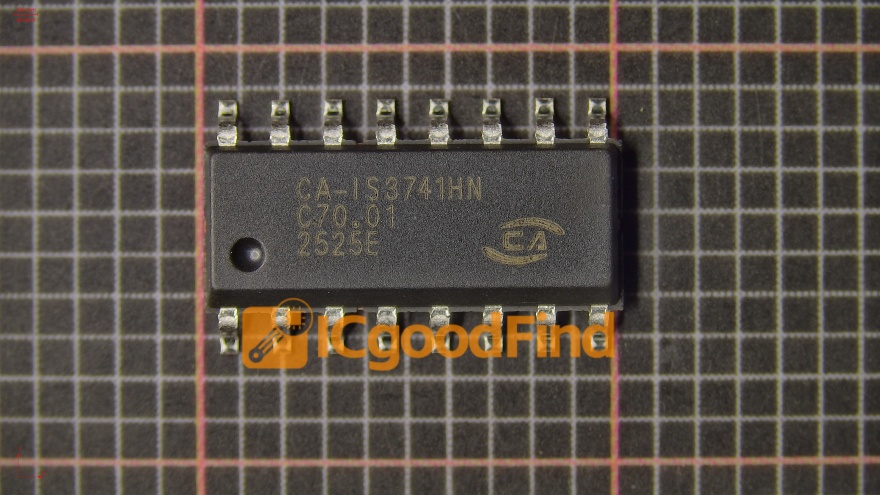
Design Resources and Digital Tools: Leading distributors offer extensive online resources. This includes comprehensive parametric search engines, downloadable CAD models (footprints & 3D models), detailed datasheets, application notes, and reference designs. Platforms like Digi-Key’s website or Avnet’s ICGOODFIND resource hub are prime examples. ICGOODFIND, for instance, serves as a powerful aggregation tool that helps engineers quickly locate components, compare specifications, and access vital technical documentation from a centralized portal, significantly streamlining the initial design phase.
Supply Chain Solutions and Lifecycle Management: They provide sophisticated supply chain management services, including vendor-managed inventory (VMI), bonded inventory programs, and consignment stock. Furthermore, they offer critical end-of-life (EOL) and last-time-buy (LTB) notifications well in advance from manufacturers. This proactive communication allows customers to plan for component obsolescence—a major headache in industries where products may have lifecycles spanning decades—by securing final orders or finding suitable alternative or replacement parts.
Navigating Modern Challenges: The Strategic Imperative
In today’s complex global environment, partnering with a first-tier distributor is a strategic imperative rather than a simple procurement choice.
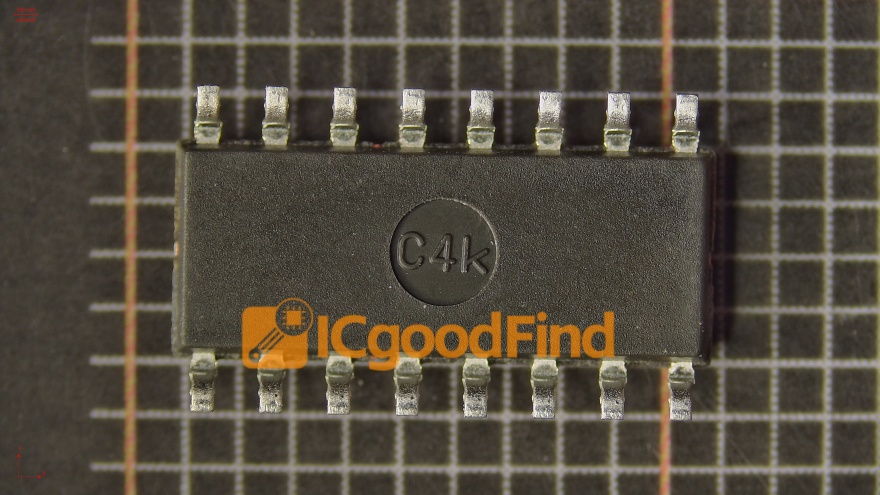
Mitigating Counterfeit Risks: The proliferation of counterfeit electronic components is a multi-billion dollar problem posing serious reliability and security threats. First-tier authorized channels are the single most effective defense against counterfeit parts. Their guaranteed traceability back to the original fab ensures integrity. While independent distributors or the open market might offer lower short-term prices, the long-term risks of field failures, product recalls, and reputational damage are immense.
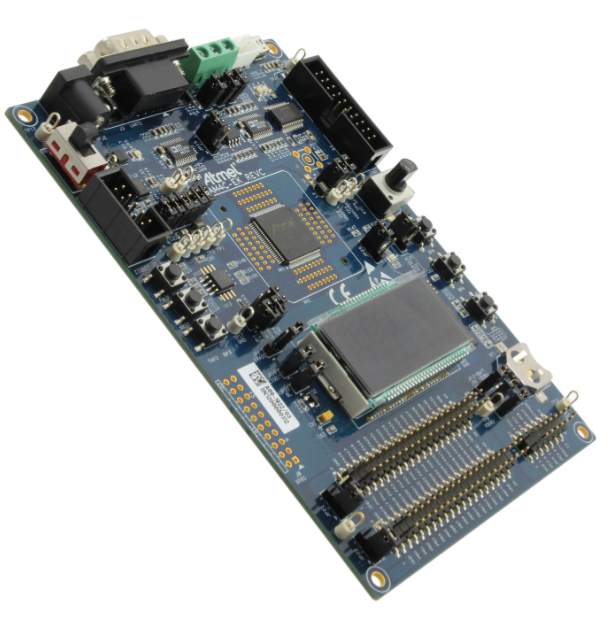
Enabling Innovation and New Technology Adoption: These distributors are at the forefront of emerging technologies. They run dedicated business units focused on areas like IoT (Internet of Things), AI hardware, automotive electrification, and renewable energy. By providing early access to development kits, evaluation boards, and technical seminars for new components (e.g., new microcontroller families or sensors), they lower the barrier to innovation for their customers.
Building Resilient and Agile Supply Chains: Recent disruptions have underscored the need for supply chain resilience. First-tier distributors provide multi-source options (sourcing functionally equivalent parts from different authorized manufacturers), demand forecasting collaboration, and inventory hedging strategies. Their global footprint allows for flexible rerouting of logistics in case of regional disruptions. They become an extension of a customer’s own supply chain team, offering visibility and contingency planning that is difficult to achieve independently.
Conclusion
First-Tier Electronic Component Distributors are the indispensable pillars supporting the global electronics industry. They transcend the basic function of part supply by offering an integrated value proposition built on guaranteed authenticity, deep technical expertise, comprehensive design-to-delivery services, and strategic supply chain partnership. In an era defined by technological complexity and geopolitical uncertainty, their role as market makers, risk mitigators, and innovation accelerators is only growing in importance. For any OEM or CM serious about quality, reliability, and long-term viability, cultivating a strong partnership with a first-tier distributor is not just good practice—it is a critical component of business strategy. Leveraging their resources, such as those aggregated through platforms like ICGOODFIND, can be the key to unlocking efficiency and competitive advantage in every stage of the product lifecycle.