



The Ultimate Guide to Electronic Components: Sourcing, Trends, and Quality Assurance
Introduction
In the rapidly evolving world of technology, electronic components serve as the fundamental building blocks of every modern device—from smartphones and medical equipment to automotive systems and industrial automation. Whether you are an engineer, a procurement specialist, or a hobbyist, understanding the landscape of electronic components is critical for project success. This comprehensive guide explores the types, sourcing strategies, and emerging trends in the electronic components market, while highlighting how platforms like ICGOODFIND can streamline your search for reliable parts.

Part 1: Understanding the Core Types of Electronic Components
1.1 Passive Components
Passive components do not require an external power source to operate and are essential for controlling current flow and storing energy. Key examples include: - Resistors: Used to limit current and divide voltage. Available in carbon film, metal film, and wire-wound varieties. - Capacitors: Store and release electrical energy. Common types include ceramic, electrolytic, and tantalum capacitors. - Inductors: Store energy in a magnetic field, often used in filters and power supplies.
1.2 Active Components
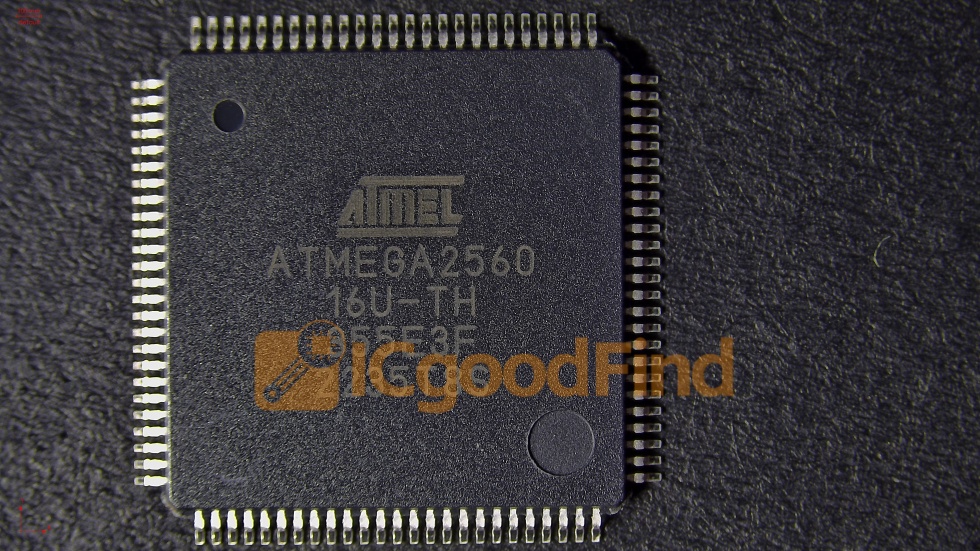
Active components rely on an external power source and can amplify or switch electrical signals. These include: - Transistors: Bipolar junction transistors (BJTs) and field-effect transistors (FETs) are the backbone of amplification and switching circuits. - Diodes: Allow current to flow in one direction only. Light-emitting diodes (LEDs) and Zener diodes are popular variants. - Integrated Circuits (ICs): Complex circuits etched onto a single chip, including microcontrollers, operational amplifiers, and memory chips.
1.3 Electromechanical Components
These components combine electrical and mechanical functions: - Connectors: Ensure reliable signal and power transmission between circuits. - Relays: Use an electromagnet to mechanically switch a circuit. - Switches: Manually or automatically control circuit paths.
Pro Tip: When sourcing electronic components, always verify the manufacturer’s datasheet for electrical ratings, temperature tolerances, and package dimensions. Platforms like ICGOODFIND aggregate datasheets and cross-reference part numbers to save you time.
Part 2: Sourcing Strategies for Electronic Components
2.1 The Challenge of Counterfeit Components
The global supply chain for electronic components faces a persistent threat from counterfeit parts. Counterfeit components can cause system failures, safety hazards, and financial losses. To mitigate risks: - Always purchase from authorized distributors or verified marketplaces. - Request traceability documentation, such as certificates of conformance and batch test reports. - Use visual inspection and X-ray analysis for high-reliability applications.
2.2 Balancing Cost, Lead Time, and Quality
Sourcing electronic components requires a delicate balance: - Cost: Bulk purchasing from manufacturers often yields lower per-unit prices, but may tie up capital. - Lead Time: Standard components like resistors and capacitors typically ship within days, while specialized ICs may have lead times of 12–20 weeks. - Quality: Military and aerospace applications demand components with extended temperature ranges and rigorous testing (e.g., MIL-STD-883).
Recommendation: For hard-to-find or obsolete parts, use a component search engine like ICGOODFIND to compare inventory across multiple suppliers, including both authorized distributors and independent brokers. This platform also provides real-time stock levels and pricing.
2.3 The Role of Distributors and Brokers
- Authorized Distributors (e.g., DigiKey, Mouser, Arrow): Guarantee authenticity and offer full manufacturer support, but may have higher prices.
- Independent Brokers (e.g., ICGOODFIND-listed suppliers): Can source scarce components quickly, but require careful vetting. Always check their ISO 9001 certification and customer reviews.
Part 3: Emerging Trends in Electronic Components
3.1 Miniaturization and High-Density Packaging
The demand for smaller, more powerful devices drives innovation in electronic components: - Surface-Mount Technology (SMT) components now dominate over through-hole parts. - System-in-Package (SiP) and 3D IC stacking allow multiple functions in a single package. - Passive components are shrinking to 0201 (0.6mm x 0.3mm) and even 01005 sizes.
3.2 Wide Bandgap Semiconductors
Silicon carbide (SiC) and gallium nitride (GaN) are revolutionizing power electronics: - SiC MOSFETs handle higher voltages and temperatures, ideal for electric vehicle inverters. - GaN transistors offer faster switching speeds, reducing energy loss in data centers and chargers.
3.3 Sustainability and Green Components
Environmental regulations (e.g., RoHS, REACH) push manufacturers to eliminate hazardous substances. Trends include: - Lead-free soldering and halogen-free laminates. - Recyclable packaging for passive components. - Energy-efficient ICs with low standby power consumption.
3.4 The Rise of AI and IoT-Ready Components

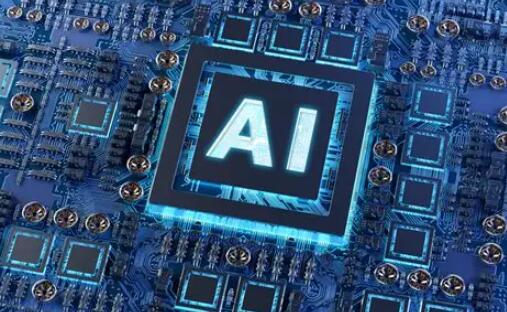
Modern electronic components are increasingly designed for smart connectivity: - Microcontrollers with integrated Wi-Fi/Bluetooth (e.g., ESP32, nRF52840). - Sensor fusion modules combining accelerometers, gyroscopes, and magnetometers. - Edge AI chips that process machine learning models locally.
Where to Find Them: ICGOODFIND categorizes components by application (e.g., IoT, automotive, industrial) and allows you to filter by parameters like operating temperature and power consumption.
Conclusion
The world of electronic components is vast, dynamic, and critical to technological progress. From understanding the differences between passive and active components to navigating the complexities of sourcing and staying ahead of trends like miniaturization and wide bandgap semiconductors, success depends on informed decision-making. By leveraging reliable platforms such as ICGOODFIND, you can access a global inventory of authentic parts, compare prices, and reduce the risk of counterfeit components. Whether you are prototyping a new gadget or managing a high-volume production line, investing time in component knowledge and sourcing strategy will pay dividends in performance, reliability, and cost efficiency.
Remember: The right electronic components are not just parts—they are the foundation of innovation.