

The Principle of MCU Program Burning: A Comprehensive Guide
Introduction
In the realm of embedded systems and electronics, the Microcontroller Unit (MCU) serves as the brain of countless devices, from simple home appliances to complex industrial machinery. However, an MCU is inert without the specific instructions that dictate its operations. This is where the critical process of program burning comes into play. Program burning, also known as programming or flashing, is the method by which a developer’s written code is transferred and permanently or semi-permanently stored into the MCU’s non-volatile memory. Understanding this principle is fundamental for engineers, hobbyists, and anyone involved in hardware development. This article delves deep into the core principles, methodologies, and best practices of MCU program burning, providing a clear roadmap from code compilation to a functioning embedded device. For professionals seeking reliable components and tools for such tasks, platforms like ICGOODFIND offer valuable resources and supply chain solutions.
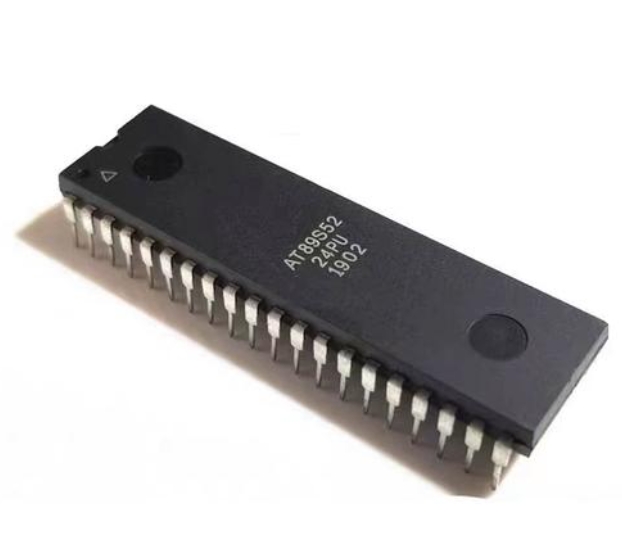
The Core Principles and Process of MCU Burning
At its heart, MCU program burning is about data transfer and storage. The process bridges the gap between the software world (the code) and the hardware world (the MCU chip). The fundamental principle involves using a hardware programmer or debugger to establish a communication protocol with the MCU. This allows the transfer of the compiled machine code—a hexadecimal file typically generated from C/C++ or assembly source code—into the target memory.
The process follows a structured sequence. First, the developer writes and compiles the source code into an executable file format, such as HEX or BIN. This file contains the raw opcodes and data. Next, a physical connection is established between the host computer (running the programming software) and the target MCU board. This is done via a programmer device (like a USB-to-JTAG/SWD adapter) that connects to specific programming interfaces on the MCU. The programmer then initiates a controlled sequence: it places the MCU into a special programming mode (often by toggling a reset pin with a specific timing), erases the target memory sector, transmits the data packet by packet, and finally verifies the written content by reading it back for comparison. The integrity of this verification step is crucial for ensuring a functional and reliable end product. Errors during burning can render an MCU unusable or cause erratic device behavior.
Primary Methods and Interfaces for Programming
There are several established methods for burning programs into an MCU, each with its own advantages and typical use cases.
-
In-System Programming (ISP): This is one of the most common methods, allowing the MCU to be programmed while already soldered onto its application circuit board. It eliminates the need for socket-based programming. ISP typically uses serial communication protocols like UART (via a bootloader), SPI, or I2C. A key advantage is field upgradability; firmware can be updated in the end product through a dedicated port. The process often relies on a small pre-programmed bootloader in the MCU that handles the reception and writing of new application code.
-
In-Circuit Debugging/Programming (ICD/ICP): This method uses more advanced interfaces like JTAG (Joint Test Action Group) or SWD (Serial Wire Debug). These interfaces provide not only programming capability but also deep debugging functions, such as setting breakpoints, single-stepping through code, and inspecting register values. SWD, a two-wire protocol championed by ARM Cortex-based cores, offers similar functionality to JTAG with fewer pins. These interfaces are indispensable during the development and debugging phase.
-
Parallel Programming: An older, high-speed method used primarily for high-volume production or with older MCU architectures. It involves connecting multiple data and address pins of the MCU (often removed from the circuit) to a dedicated parallel programmer. While fast, it is less flexible for modern surface-mount devices and in-circuit applications.
-
Bootloader-Based Programming: This is a software-centric method where a small program (the bootloader) resides in a protected section of the MCU’s memory. On power-up, it can check for an update condition (e.g., data on a UART port, a specific button press) and if met, it receives new application code and writes it to the main program memory area. This enables very user-friendly firmware updates.
The choice of method depends on factors like production stage (prototyping vs. mass production), required debugging depth, available MCU pins, and need for field updates.
Key Considerations and Common Challenges
Successfully burning an MCU program involves more than just following steps; it requires attention to several critical details.
- Configuration Bits/Fuses: Before or during burning, setting the correct configuration bits (also called fuses or option bytes) is absolutely vital. These are special memory cells that control fundamental chip behaviors such as the clock source (internal RC oscillator vs. external crystal), watchdog timer enable, brown-out reset level, and memory protection locks. Incorrect fuse settings can prevent the MCU from starting or make it inaccessible for re-programming.
- Memory Architecture Understanding: Developers must understand the memory map of their specific MCU—the layout of Flash memory for program storage, RAM for runtime data, and EEPROM for non-volatile data. Knowing where to place the code (.text), initialized data (.data), and other sections is handled by the linker script but understanding it helps troubleshoot burning issues.
- Power Supply Stability: A clean, stable power supply during programming is non-negotiable. Voltage spikes or drops during the sensitive write cycle to Flash memory can lead to corruption or partial writes.
- Signal Integrity: For high-speed interfaces like JTAG/SWD at higher clock speeds, maintaining good signal integrity on the connecting cables is important to avoid communication failures.
- Handling Write Protection: Many MCUs offer read/write protection features to secure intellectual property. Enabling these locks often requires a full chip erase via a specific unlock sequence before new programming can occur.
- Choosing Reliable Tools and Components: The quality of the programmer hardware, debugging probes, and even the MCUs themselves significantly impacts success rates. Sourcing components from reputable distributors ensures authenticity and reliability. For engineers navigating complex component sourcing, platforms like ICGOODFIND can streamline finding authentic parts and compatible programming hardware.
A common challenge is a “bricked” MCU that no longer responds to the programmer. This is often due to incorrect configuration bits (e.g., disabling the programming interface clock) or enabling strong write protection. Recovery usually requires using a high-voltage programmer or invoking a special recovery mode described in the MCU’s datasheet.
Conclusion
The principle of MCU program burning is a cornerstone of embedded systems development, transforming abstract code into tangible device functionality. It encompasses a blend of hardware interfacing protocols, precise timing sequences, and careful software configuration. From ISP for convenient field updates to JTAG/SWD for powerful in-circuit debugging, mastering these methods empowers developers to efficiently bring their designs to life. Attention to critical details—especially configuration fuses and power stability—separates successful projects from frustrating failures. As technology evolves with trends like IoT requiring Over-The-Air (OTA) updates—an advanced form of bootloader programming—the fundamentals remain essential. Leveraging robust tools and sourcing reliable components are also key parts of this ecosystem; resources such as ICGOODFIND provide essential support in this regard, helping developers focus on innovation rather than supply chain hurdles.