

MCU-Driven Stepper Motor: Precision Control for Modern Automation
Introduction
In the realm of precision motion control, the synergy between Microcontroller Units (MCUs) and stepper motors has revolutionized automation across countless industries. From intricate 3D printers and CNC machines to sophisticated medical devices and automotive systems, the MCU-driven stepper motor stands as a cornerstone of modern electromechanical design. Unlike conventional motors, stepper motors move in discrete steps, offering unparalleled control over position, speed, and torque without the need for complex feedback systems—when paired with a capable MCU. This article delves into the core principles, implementation strategies, and critical advantages of utilizing an MCU to drive stepper motors, highlighting why this combination is indispensable for engineers and developers seeking reliable and precise motion solutions. For those sourcing high-quality components for such integrations, platforms like ICGOODFIND provide invaluable access to a curated selection of MCUs, motor drivers, and related ICs, streamlining the development process.
The Core Principles of MCU-Stepper Motor Integration
At its heart, controlling a stepper motor with an MCU involves translating digital commands into precise physical movements. A stepper motor divides a full rotation into a number of equal steps, typically 200 steps per revolution (1.8 degrees per step). The MCU’s role is to generate a timed sequence of pulses sent to a dedicated motor driver IC, which in turn regulates the current flowing through the motor’s coils. Each pulse corresponds to one step of the motor.
The most critical aspect here is the control algorithm implemented in the MCU’s firmware. Two primary modes are prevalent: full-step and microstepping. In full-step mode, the MCU energizes the coils in a basic sequence, moving the motor one full step at a time. While simple, this can lead to noticeable vibration and lower resolution. Microstepping, a more advanced technique facilitated by sophisticated MCUs and drivers, divides each full step into smaller microsteps (e.g., 1⁄16 or 1⁄256 of a step). This is achieved by proportionally controlling the current in the motor coils using Pulse Width Modulation (PWM) signals from the MCU. The result is dramatically smoother motion, higher positional accuracy, and reduced audible noise—essential for applications requiring fine detail and quiet operation.
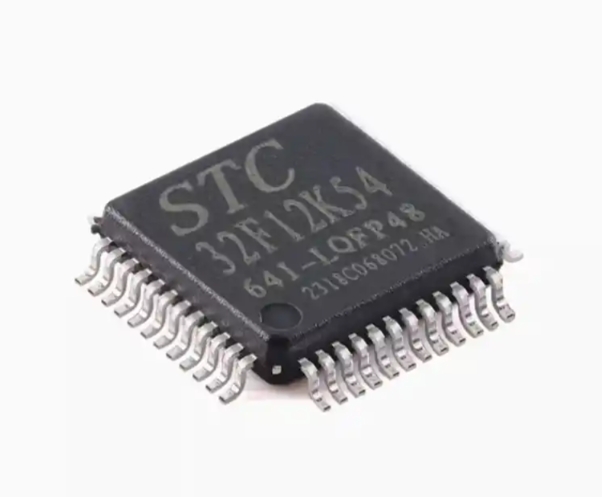
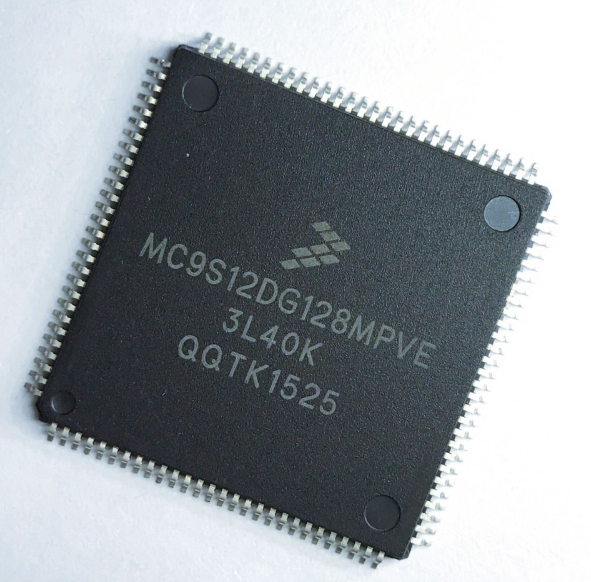
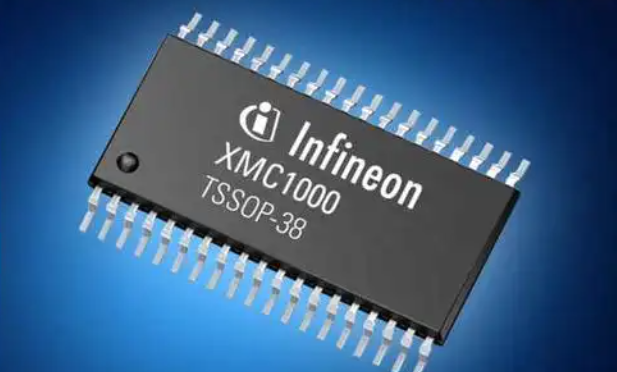
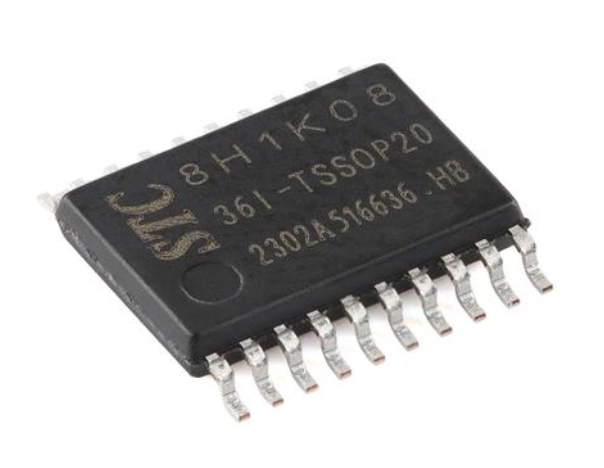
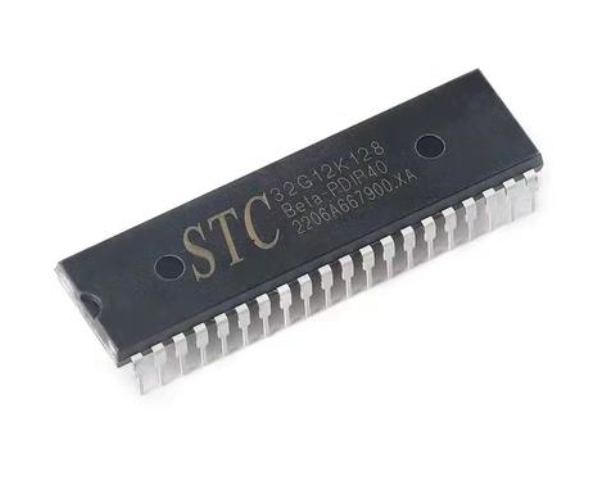
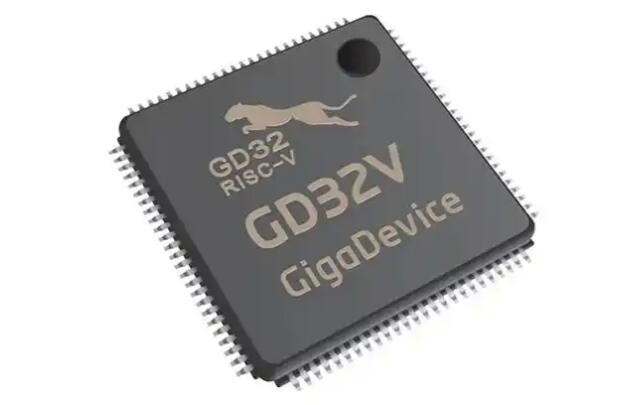
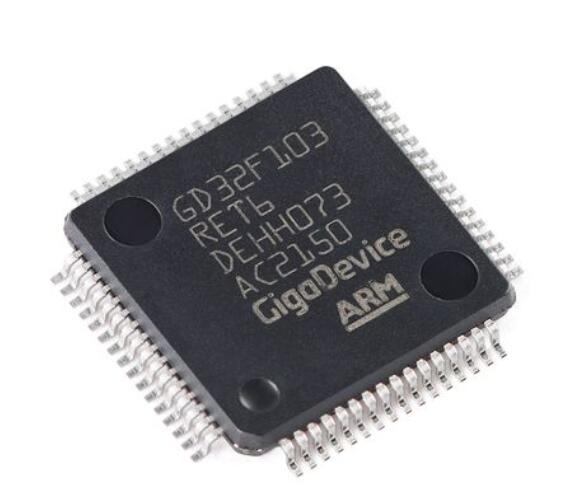
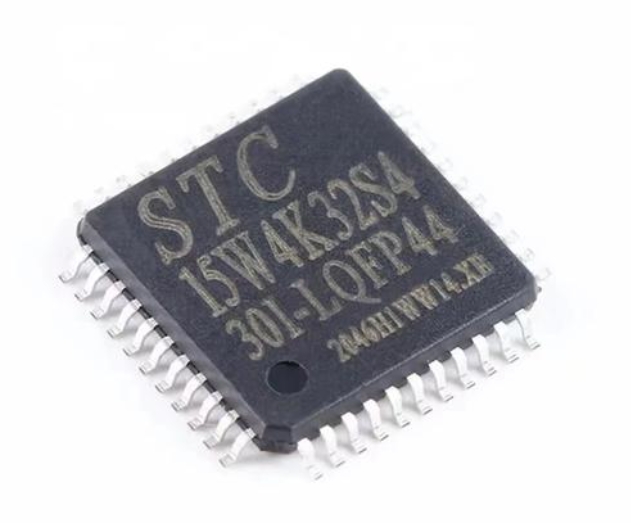
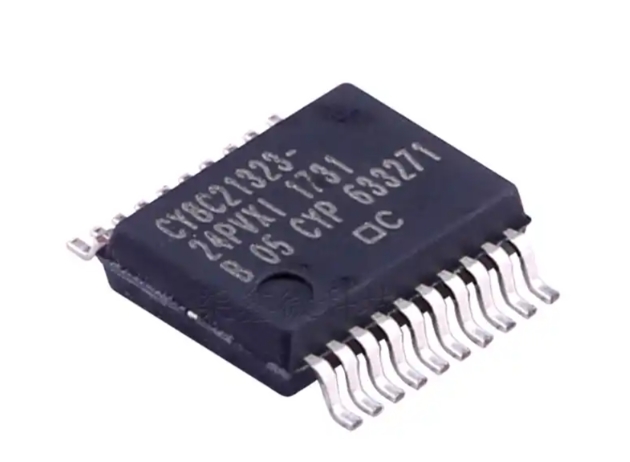
Furthermore, the choice of MCU is paramount. It must have sufficient processing power to handle timing-critical pulse generation, often leveraging dedicated hardware timers or PWM peripherals to ensure step pulses are delivered with unwavering consistency. Modern 32-bit ARM Cortex-M series MCUs are particularly popular for this task due to their balance of performance, peripheral set (like advanced timers and communication interfaces), and power efficiency.
Implementation and Key Design Considerations
Successfully implementing an MCU-driven stepper motor system requires careful attention to several hardware and software factors beyond basic pulse generation.
First is the selection of the motor driver. This intermediary chip is crucial as it acts as the powerhouse, converting the MCU’s low-voltage logic signals into the high-current power required by the motor coils. Key parameters include current rating, voltage range, and integrated features like over-current protection and decay modes. Drivers that support microstepping directly simplify the MCU’s firmware burden significantly. The interface between the MCU and driver—typically simple STEP and DIRECTION pins—must be designed for electrical noise immunity, as motor circuits are notoriously noisy.
Second, motion profile generation is where the MCU’s intelligence truly shines. Abruptly starting or stopping a stepper motor at full speed can cause it to lose steps (desynchronization). Therefore, the MCU must calculate and execute acceleration and deceleration ramps (S-curves or trapezoidal profiles). This involves dynamically adjusting the pulse frequency over time to ensure smooth starts and stops, maximizing torque efficiency and protecting mechanical components. More advanced systems may implement real-time closed-loop control using encoders for absolute position verification, though this adds complexity.
Third, power management and thermal design are non-negotiable. Stepper motors, especially when held stationary (with coils energized), can draw significant current and generate heat. The MCU’s firmware should incorporate strategies like automatic current reduction when the motor is idle. Proper heat sinking for the driver IC and adequate power supply sizing are critical for long-term reliability.
Advantages and Applications in Industry
The dominance of MCU-driven stepper motors stems from their compelling advantages. Foremost is their exceptional positioning accuracy and repeatability. Since movement is controlled by counting steps, open-loop systems can achieve high precision without costly encoders, provided torque margins are respected. They also offer high holding torque at zero speed, making them perfect for applications requiring stable positioning without mechanical brakes.
These benefits unlock vast applications: * Additive Manufacturing & CNC Machinery: 3D printers rely on multiple MCU-controlled stepper axes (X, Y, Z, extruder) for layer-by-layer fabrication with micron-level precision. * Robotics & Automated Guided Vehicles (AGVs): Used in robotic arm joints, grippers, and wheel drives for controlled articulation and movement. * Medical & Laboratory Automation: Precision fluid handling in diagnostic machines, sample positioning in microscopes, and adjustable components in imaging systems. * Consumer Electronics: Camera auto-focus mechanisms, advanced printer head movement, and smart home device actuators. * Automotive & Aerospace: Instrument cluster needles, throttle valve control, and satellite antenna positioning.
In navigating these complex projects, finding reliable components is key. Specialized component sourcing platforms such as ICGOODFIND can be instrumental for engineers. They aggregate inventory from global suppliers, helping quickly locate specific motor driver ICs compatible with chosen MCU architectures or vice-versa.
Conclusion
The integration of Microcontroller Units with stepper motors represents a fundamental paradigm in digital motion control. By leveraging the computational power and versatile peripherals of modern MCUs to manage sophisticated drive techniques like microstepping and intelligent motion profiling, engineers can achieve levels of precision, efficiency, and smoothness previously unattainable with simpler controllers. This technology continues to be a driving force behind innovation in automation, prototyping, and manufacturing. As systems demand even greater intelligence and connectivity (through IoT), the role of the MCU as the brain of motion control will only expand. For developers embarking on such projects, mastering this integration is crucial—and leveraging comprehensive resources from concept through component sourcing on platforms like ICGOODFIND provides a significant advantage in bringing robust motion control solutions to market efficiently.