MCU Characteristics: The Core Engine of Modern Embedded Systems
Introduction
In the invisible yet omnipresent world of technology, from the smart thermostat regulating your home’s temperature to the sophisticated sensor in your car’s anti-lock braking system, a silent workhorse is always at play: the Microcontroller Unit (MCU). Unlike their more complex cousins, microprocessors, MCUs are compact, self-contained computing systems on a single integrated circuit, designed to execute specific control-oriented tasks. Understanding the fundamental MCU characteristics is crucial for engineers, product developers, and tech enthusiasts alike, as these traits determine the performance, efficiency, and applicability of countless electronic devices. This article delves deep into the defining features of modern MCUs, exploring their core architecture, critical performance parameters, and selection criteria that drive innovation across industries. For professionals seeking to source or compare these vital components, platforms like ICGOODFIND offer invaluable resources to navigate the vast landscape of microcontroller options.
Main Body
Part 1: Foundational Architectural Characteristics
At its heart, an MCU is a convergence of several key subsystems onto one chip. This integration is its primary architectural hallmark.
-
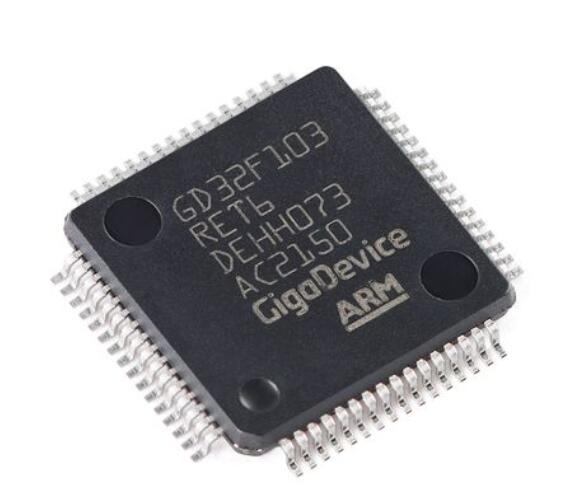
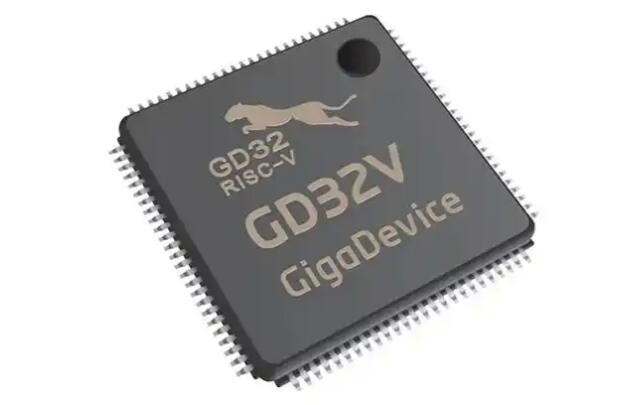
Central Processing Unit (CPU): This is the brain of the MCU. The CPU’s architecture—whether it’s based on ARM Cortex-M, AVR, PIC, or RISC-V—dictates the instruction set and fundamental processing power. A critical characteristic here is the bit-width (8-bit, 16-bit, 32-bit), which affects data throughput, memory addressing, and mathematical precision. While 8-bit MCUs dominate cost-sensitive applications, 32-bit ARM Cortex-M cores have become the standard for performance-intensive tasks involving digital signal processing or complex algorithms.
-
Memory Hierarchy: MCUs feature embedded memory, which is a key differentiator from microprocessors.
- Flash Memory: This non-volatile memory stores the application program code. Its size ranges from a few kilobytes to several megabytes. Reliability and read/write endurance are vital characteristics for firmware updates and data logging.
- SRAM (Static Random-Access Memory): This volatile memory is used for runtime data, stack, and heap operations. Speed and size of SRAM directly impact the MCU’s ability to handle complex variables and real-time data.
- EEPROM: Often included for storing configuration parameters that must persist after power cycles, its independent endurance from flash memory is a valuable trait.
-
Peripheral Integration: Perhaps the most defining characteristic of an MCU is its rich set of on-chip peripherals. These dedicated hardware blocks offload tasks from the CPU, enhancing efficiency. Essential peripherals include:
- General-Purpose Input/Output (GPIO) Pins: Configurable pins for interfacing with external devices.
- Communication Interfaces: Such as UART (Universal Asynchronous Receiver-Transmitter), I2C (Inter-Integrated Circuit), SPI (Serial Peripheral Interface), and increasingly, CAN (Controller Area Network) and USB. Their presence and number are crucial for system connectivity.
- Analog Interfaces: Analog-to-Digital Converters (ADC) and Digital-to-Analog Converters (DAC) are critical for interacting with real-world signals like temperature or sound.
- Timers/Counters and PWM Modules: Used for precise timing, event capture, and controlling motors or LEDs via pulse-width modulation.
Part 2: Critical Performance and Operational Parameters
Beyond architecture, a set of operational characteristics defines an MCU’s suitability for a given task.
-
Power Consumption and Efficiency: This is arguably the most critical characteristic for battery-powered and IoT devices. MCUs are designed with sophisticated power management modes—such as Active, Sleep, Stop, and Standby—that dramatically reduce current draw during idle periods. The metrics of
µA/MHzin active mode and nA-level currents in deep sleep modes are key selection criteria. -
Clock Speed and Performance: Measured in MHz (or even GHz for high-performance MCUs), clock speed indicates how many instructions the CPU can execute per second. However, raw speed is less important than efficient performance per watt. Many modern MCUs feature dynamic clock scaling to balance speed with power consumption.
-
Real-Time Capability: Many embedded systems are time-critical. Characteristics that enable real-time operation include:
- Deterministic Interrupt Response Time: A guaranteed maximum time to respond to an external event.
- Nested Vectored Interrupt Controllers (NVIC): Hardware for efficient handling of multiple priority-based interrupts.
- Dedicated Hardware for Control Tasks: Like motor control timers or cryptographic accelerators that execute without CPU intervention.
-
Robustness and Environmental Tolerance: Industrial and automotive applications demand MCUs with high reliability and longevity. Characteristics such as extended operating temperature ranges (e.g., -40°C to 125°C), resistance to electromagnetic interference (EMI), and compliance with automotive standards like AEC-Q100 are essential.
Part 3: Key Selection Criteria and Ecosystem Considerations
Choosing the right MCU involves balancing its characteristics against project requirements. Key considerations include:
-
Performance vs. Power Trade-off: The perennial engineering challenge. High performance often comes at the cost of higher power consumption. Selecting an MCU with the right balance—such as a Cortex-M4 with FPU for math-intensive sensing or an ultra-low-power Cortex-M0+ for a sensor node—is crucial.
-
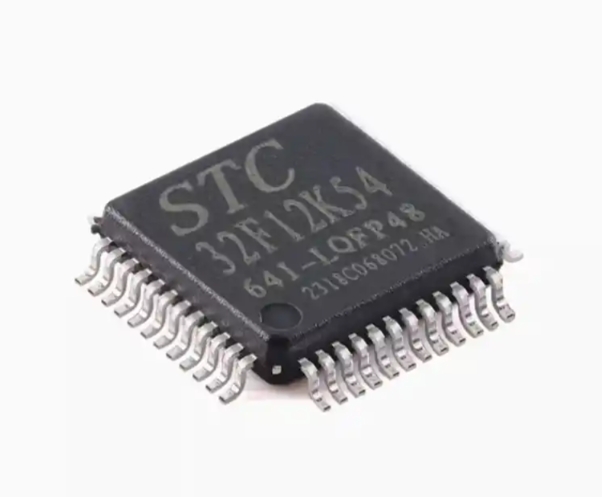
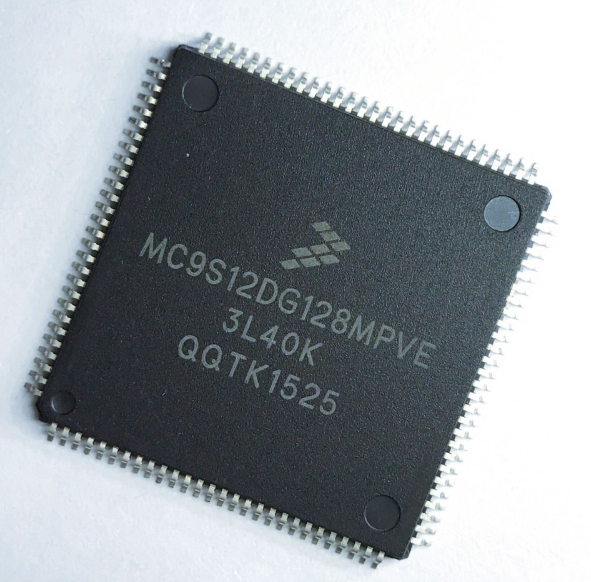
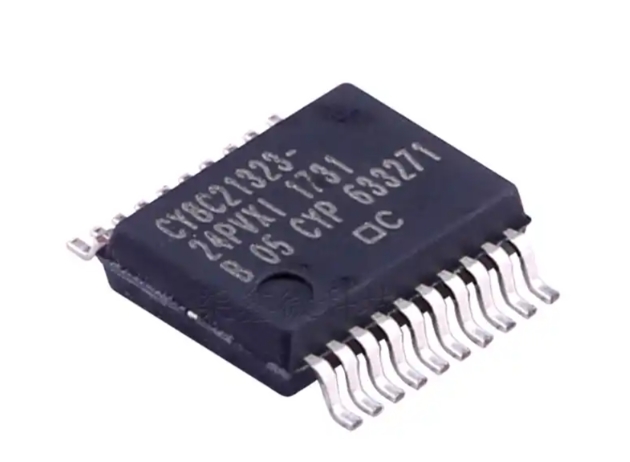
Peripheral Mix and Pin-Count: The project’s required interfaces (ADC channels, UARTs, etc.) must match the MCU’s offerings. The physical pin count of the package also constrains I/O availability and influences PCB design complexity.
-
Software and Development Ecosystem: The availability of a strong software ecosystem is a non-negotiable characteristic for efficient development. This includes:
- Mature Integrated Development Environments (IDEs)
- Comprehensive Software Development Kits (SDKs) and Hardware Abstraction Layers (HAL)
- Real-Time Operating System (RTOS) Support
- Active Community and Vendor Support
-
Total System Cost: This goes beyond the unit price of the chip. It encompasses required external components (thanks to high integration), development tool costs, and manufacturing complexity. Platforms that aggregate component data and availability, such as ICGOODFIND, become essential tools for making cost-effective and supply-chain-resilient choices by allowing engineers to compare these multifaceted characteristics across vendors.
Conclusion
The modern Microcontroller Unit is a marvel of integration, blending processing power, memory, and specialized peripherals into a single, efficient package. Its defining characteristics—from CPU architecture and memory configuration to power profiles and peripheral sets—form a multidimensional matrix that guides every embedded design decision. As the Internet of Things continues to expand and smart devices become ever more pervasive, the demand for MCUs with optimized characteristics for specific applications will only intensify. Success in this domain hinges on a deep understanding of these core traits and the ability to navigate the vast component market effectively. Whether you are designing a wearable device demanding nanoamp power levels or an industrial controller requiring robust communication and real-time response, thoroughly evaluating these MCU characteristics is the first step toward innovation. For sourcing and comparing these critical components based on their detailed specifications, leveraging comprehensive platforms like ICGOODFIND can significantly streamline the development process.