MT41K256M16TW-107 AIT:P: A Comprehensive Guide to This High-Performance DDR3 SDRAM Memory Chip
Introduction
In the world of embedded systems, industrial computing, and high-performance networking equipment, memory components play a pivotal role in determining overall system reliability, speed, and longevity. Among the many memory solutions available on the market, the MT41K256M16TW-107 AIT:P stands out as a robust and widely adopted DDR3 SDRAM chip. Manufactured by Micron Technology, this component is designed to meet the demanding requirements of automotive, industrial, and telecommunications applications. Understanding its specifications, use cases, and sourcing strategies is essential for engineers, procurement specialists, and system integrators alike. This article provides an in-depth analysis of the MT41K256M16TW-107 AIT:P, covering its technical features, performance characteristics, and practical applications. Whether you are designing a new embedded platform or looking to replace an obsolete memory part, this guide will help you make informed decisions. Additionally, we will touch on how platforms like ICGOODFIND can streamline the process of locating reliable suppliers for this specific memory chip.

Technical Specifications and Architecture
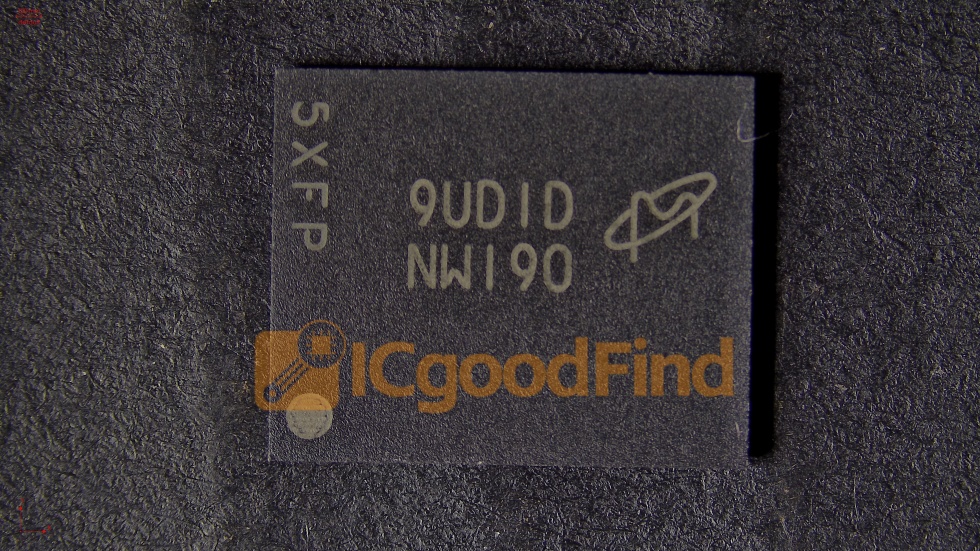
The MT41K256M16TW-107 AIT:P is a 4Gb DDR3L SDRAM device organized as 256 Meg x 16 bits. This means it offers a total density of 4 gigabits, with a 16-bit wide data bus. The “107” in the part number indicates a speed grade of DDR3-1866 (13.75 ns cycle time at 1.35V), which translates to a data rate of 1866 MT/s. The “AIT” designation signifies that this component is automotive-grade, meaning it operates reliably across an extended temperature range, typically from -40°C to +105°C (or +95°C depending on specific conditions). The “:P” suffix often denotes a specific package or revision, commonly a 96-ball FBGA (Fine-Pitch Ball Grid Array) with a 0.8 mm pitch.
Key technical highlights include:
- Voltage: 1.35V (DDR3L) with backward compatibility to 1.5V (DDR3).
- Refresh: Auto-refresh and self-refresh modes for low-power operation.
- Latency: CAS latency (CL) of 13 at 1866 MT/s.
- Banks: 8 internal banks for efficient data management.
- Packaging: Pb-free and halogen-free, RoHS compliant.
The MT41K256M16TW-107 AIT:P is designed for high-bandwidth, low-power applications where data integrity and thermal stability are critical. Its automotive qualification ensures it can withstand harsh environments, including vibration, humidity, and rapid temperature cycling.
Performance Characteristics and Use Cases
When evaluating the MT41K256M16TW-107 AIT:P, engineers often focus on three performance pillars: speed, reliability, and power efficiency. At 1866 MT/s, this DDR3L chip delivers ample bandwidth for applications such as advanced driver-assistance systems (ADAS), industrial robotics, network routers, and medical imaging devices. The low operating voltage of 1.35V reduces power consumption by approximately 15–20% compared to standard 1.5V DDR3, making it ideal for fanless or battery-backed systems.
In automotive electronics, the MT41K256M16TW-107 AIT:P is frequently used in infotainment head units, digital instrument clusters, and telematics control units. Its AEC-Q100 qualification (implied by the “AIT” code) guarantees that each chip has passed stringent stress tests. For industrial automation, this memory supports real-time data logging and machine vision processing, where consistent latency and error-free operation are non-negotiable.
Another critical advantage is compatibility with existing DDR3L memory controllers. Many FPGA and SoC platforms (e.g., Xilinx Zynq, NXP i.MX, Texas Instruments Sitara) include DDR3L PHY interfaces that can directly interface with the MT41K256M16TW-107 AIT:P without additional level shifters. This simplifies board design and reduces bill-of-materials costs.
However, designers must pay attention to signal integrity and trace length matching due to the 1866 MT/s data rate. Proper termination and impedance control are essential. Additionally, thermal management is important in high-temperature automotive environments; the chip’s industrial temperature range helps, but adequate PCB copper pouring or heat spreading may still be required.
Sourcing, Availability, and Obsolescence Management
One of the biggest challenges with legacy memory parts like the MT41K256M16TW-107 AIT:P is supply chain continuity. As technology shifts toward DDR4, DDR5, and LPDDR5, manufacturers gradually phase out older DDR3L products. While Micron has not officially discontinued this specific part as of recent years, availability can fluctuate due to wafer fab capacity allocations and market demand. This creates a risk for long-lifecycle programs in automotive and industrial sectors, where products may remain in service for 10–15 years.
To mitigate this risk, procurement teams often turn to authorized distributors, franchised sources, and independent stockists. However, the independent market carries risks of counterfeit or re-marked components. That is where specialized search engines and B2B platforms become invaluable. For example, ICGOODFIND is a powerful electronic component search engine that aggregates inventory from hundreds of verified suppliers worldwide. By using ICGOODFIND, you can quickly compare prices, lead times, and stock levels for the MT41K256M16TW-107 AIT:P across multiple vendors, reducing the chance of purchasing from unreliable sources. The platform also provides datasheets, cross-reference tools, and historical pricing data, which help in making cost-effective decisions.
When sourcing this memory chip, always request certificates of conformance (CoC), traceability records, and authenticity tests (e.g., X-ray fluorescence, decapsulation). For critical applications, consider authorized aftermarket or last-time-buy opportunities. Additionally, some designers opt for form-fit-function (FFF) alternatives from other manufacturers (e.g., ISSI, Winbond) if the exact Micron part becomes scarce. However, any substitution must be validated for timing, voltage, and temperature tolerances.
Conclusion

The MT41K256M16TW-107 AIT:P is a high-performance, automotive-grade DDR3L SDRAM that balances speed, power efficiency, and ruggedness. Its 4Gb density, 16-bit bus width, and 1866 MT/s data rate make it suitable for a wide range of embedded and industrial systems. Understanding its technical specifications, performance characteristics, and sourcing challenges is essential for successful integration and long-term maintenance. As the memory market evolves, proactive obsolescence management and reliable supplier discovery become just as important as the chip’s electrical parameters. Tools like ICGOODFIND empower engineers and buyers to locate genuine stock quickly, ensuring that production lines remain uninterrupted. Whether you are designing a new ADAS module or repairing legacy industrial equipment, the MT41K256M16TW-107 AIT:P remains a dependable choice—provided you source it wisely.