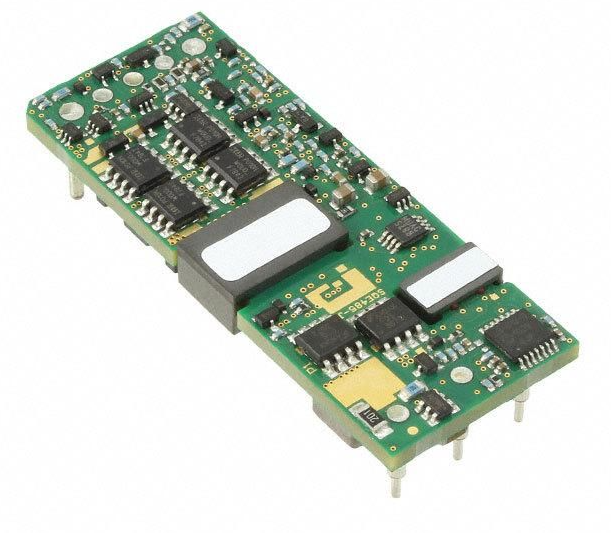
Electronic Components for PCBA Manufacturing: A Comprehensive Guide to Quality and Efficiency
Introduction
In the rapidly evolving world of electronics manufacturing, PCBA (Printed Circuit Board Assembly) stands as the backbone of nearly every modern device. From smartphones and medical equipment to automotive systems and industrial automation, the reliability and performance of a PCBA depend heavily on the quality of its electronic components. Selecting the right electronic components for PCBA manufacturing is not just a technical decision—it is a strategic one that affects cost, production yield, product lifespan, and brand reputation. This article explores the critical aspects of electronic components used in PCBA manufacturing, covering selection criteria, sourcing strategies, and quality assurance. For professionals seeking reliable sourcing solutions, ICGOODFIND offers a trusted platform to discover and procure high-quality electronic components tailored to PCBA needs.
Part 1: Key Categories of Electronic Components for PCBA Manufacturing
1.1 Passive Components
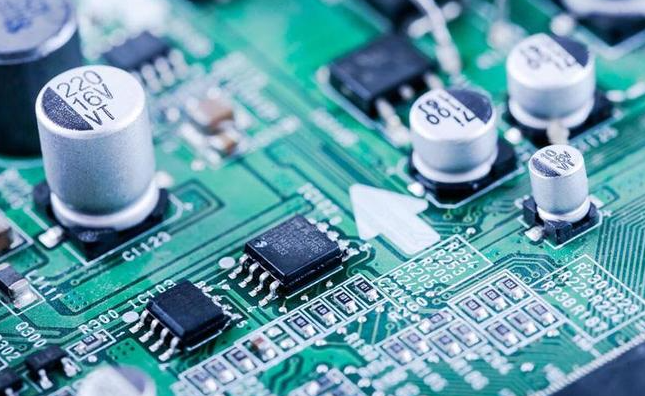
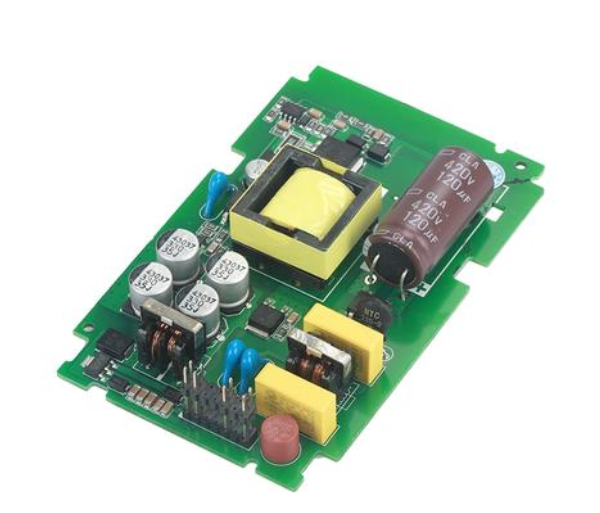
Passive components are the workhorses of any PCBA. They do not require an external power source to operate and include resistors, capacitors, inductors, and transformers. In PCBA manufacturing, surface-mount device (SMD) versions are most common due to their compact size and compatibility with automated assembly lines.
- Resistors: Used for current limiting, voltage division, and signal conditioning. Common types include thick film, thin film, and wire-wound resistors. Tolerance and temperature coefficient are critical parameters.
- Capacitors: Essential for filtering, decoupling, and energy storage. Multilayer ceramic capacitors (MLCCs) are widely used, but electrolytic and tantalum capacitors are preferred for higher capacitance values.
- Inductors and Ferrite Beads: Used in power supply circuits and EMI suppression. Their inductance value, current rating, and DC resistance (DCR) directly impact circuit efficiency.
Quality Tip: Always verify the voltage rating and operating temperature range of passive components. A capacitor rated for 50V but used in a 48V circuit with ripple may fail prematurely. ICGOODFIND provides detailed datasheets and verified specifications to help engineers avoid such pitfalls.

1.2 Active Components
Active components require a power source to function and include semiconductors such as diodes, transistors, integrated circuits (ICs), and microcontrollers. These components define the functionality of the PCBA.
- Diodes and Rectifiers: Used for polarity protection, voltage clamping, and AC-to-DC conversion. Schottky diodes are popular for low forward voltage drop.
- Transistors (BJT, MOSFET, IGBT): Switching and amplification. MOSFETs dominate modern PCBA designs due to high efficiency and fast switching.
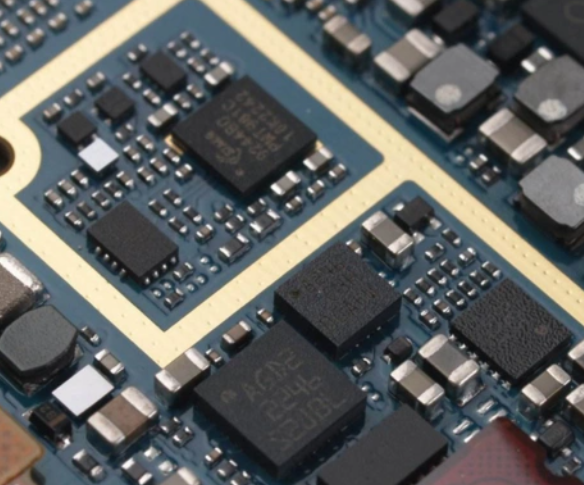
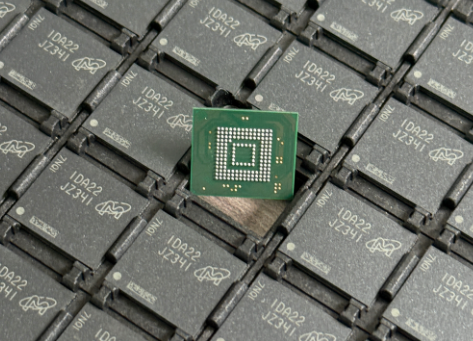
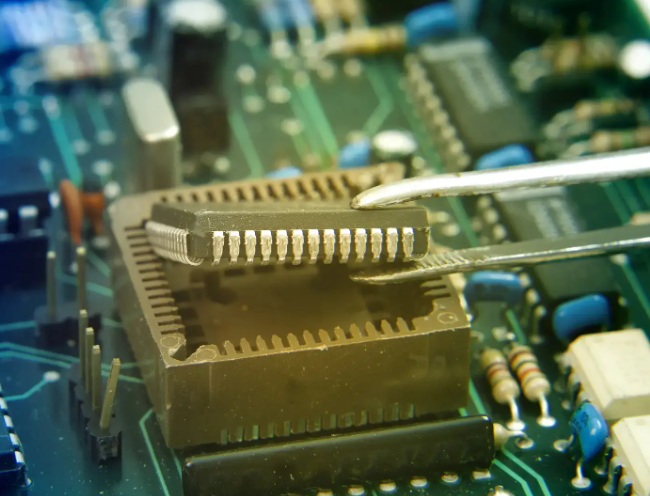
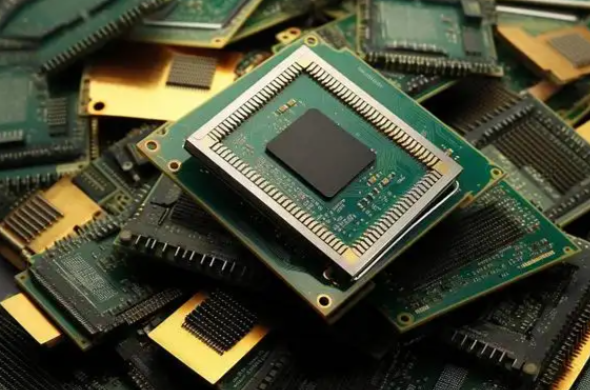
- Integrated Circuits (ICs): From simple logic gates to complex microprocessors, ICs are the brain of the board. Package type (e.g., QFP, BGA, QFN) must match the assembly process.
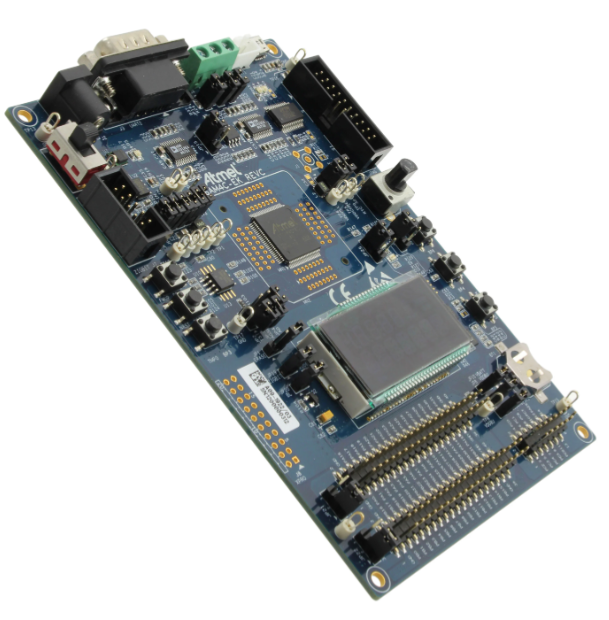
- Microcontrollers and FPGAs: For programmable logic and control. These require careful consideration of power consumption, pin count, and memory.
Sourcing Challenge: Active components, especially ICs, are prone to counterfeit and obsolete parts. ICGOODFIND mitigates this risk by offering traceable supply chains and authenticity guarantees, ensuring that every IC meets original manufacturer specifications.
1.3 Connectors and Electromechanical Components
Connectors, switches, relays, and terminals are often overlooked but are critical for system integration. Poor-quality connectors can cause intermittent failures, signal degradation, or mechanical stress.
- Board-to-Board Connectors: Used for stacking PCBs. Pitch, current rating, and mating cycles are key specs.
- Wire-to-Board Connectors: For external wiring. Locking mechanisms and strain relief are important.
- Relays and Solenoids: For high-current switching. Coil voltage and contact rating must match the application.
Assembly Consideration: Connectors often require manual or selective soldering due to their size. Ensure the component’s solderability and thermal profile are compatible with the PCBA process.
Part 2: Critical Factors in Selecting Electronic Components for PCBA
2.1 Technical Compatibility and Performance
Every electronic component must meet the electrical, thermal, and mechanical requirements of the PCBA design. Key parameters include:
- Operating Voltage and Current: Exceeding ratings leads to overheating or breakdown.
- Frequency Response: For RF or high-speed digital circuits, parasitic capacitance and inductance matter.
- Power Dissipation: Components like voltage regulators and power MOSFETs need adequate heat sinking.
- Package Dimensions: Footprint must match PCB land patterns. Fine-pitch packages (e.g., 0.4mm BGA) require precise assembly equipment.
Design for Manufacturing (DFM): Components with standardized packages (e.g., 0805, 0603, SOIC) are easier to source and assemble. ICGOODFIND allows filtering by package type, making it simple to find components that align with your assembly capabilities.
2.2 Supply Chain Reliability and Lead Times
The global electronics industry has faced severe component shortages, especially for MLCCs, power ICs, and microcontrollers. When selecting electronic components for PCBA manufacturing, consider:
- Availability: Check stock levels and lead times. Avoid single-source components if possible.
- Lifecycle Status: Active components are preferred. Obsolete or “not recommended for new designs” (NRND) parts should be avoided.
- Alternate Parts: Identify second-source components with similar specs to mitigate supply risks.
Pro Tip: Use ICGOODFIND to compare multiple suppliers and check real-time inventory. The platform also provides lifecycle alerts so you can proactively redesign before a component goes end-of-life.
2.3 Quality and Compliance Standards
Quality assurance is non-negotiable in PCBA manufacturing. Components must meet:
- RoHS and REACH Compliance: For environmental and safety regulations.
- IPC Standards: IPC-7351 for land patterns, IPC-A-610 for solder joint acceptability.
- AEC-Q100/200: For automotive-grade components.
- MIL-SPEC: For military and aerospace applications.
Counterfeit Prevention: Counterfeit components can cause catastrophic failures. Always source from authorized distributors or verified brokers. ICGOODFIND employs rigorous authentication processes, including X-ray inspection, decapsulation, and electrical testing, to ensure every component is genuine.
Part 3: Best Practices for Sourcing and Managing Electronic Components
3.1 Strategic Sourcing and Supplier Evaluation
Building a reliable supply chain requires more than just price comparison. Evaluate suppliers based on:
- Certifications: ISO 9001, AS9120, or IECQ QC 080000.
- Inventory Transparency: Real-time stock data and traceability.
- Return and Warranty Policies: Especially for high-value ICs.
- Customer Support: Technical assistance and sample availability.
ICGOODFIND aggregates data from vetted global suppliers, allowing you to compare prices, lead times, and quality ratings in one place. The platform also offers bulk pricing and negotiation tools for volume orders.
3.2 Inventory Management and Just-in-Time (JIT) Delivery
Excess inventory ties up capital, while shortages halt production. Implement:
- Kanban Systems: For high-volume, repetitive components.
- Safety Stock Calculation: Based on lead time variability and demand volatility.
- Consignment Inventory: Suppliers hold stock at your facility, reducing your risk.
Digital Tools: ICGOODFIND provides automated reorder alerts and demand forecasting based on your historical usage, helping you maintain optimal inventory levels.
3.3 Component Testing and Incoming Inspection
Even from trusted sources, incoming inspection is vital. Key tests include:
- Visual Inspection: Check for physical damage, correct markings, and package integrity.
- Electrical Testing: Measure resistance, capacitance, or functional parameters.
- Solderability Testing: Ensure leads wet properly during reflow or wave soldering.
- X-Ray Inspection: For BGA and QFN packages to detect voids or bridging.

ICGOODFIND offers pre-shipment inspection services and certificates of conformance for critical orders, reducing the need for in-house testing.
Conclusion
The success of any PCBA manufacturing project hinges on the quality, availability, and compatibility of its electronic components. From passive resistors to complex microcontrollers, every part must be selected with technical rigor, supply chain awareness, and quality assurance. By understanding the key categories, critical selection factors, and best sourcing practices, manufacturers can reduce defects, avoid costly delays, and build products that perform reliably in the field.
For engineers and procurement professionals navigating the complex landscape of electronic components, ICGOODFIND stands as a comprehensive sourcing partner. With its verified supplier network, real-time inventory data, and quality guarantees, ICGOODFIND simplifies the process of finding the right electronic components for PCBA manufacturing—whether you need a single prototype part or millions for mass production. Embrace smarter sourcing, and let your PCBA designs reach their full potential.