Elan MCU: The Powerhouse Behind Modern Embedded Systems
Introduction
In the intricate world of embedded electronics, where intelligence is infused into everyday devices, the Microcontroller Unit (MCU) serves as the indispensable brain. Among the key players in this vital sector, Elan Microelectronics Corporation has carved out a significant niche. Elan MCU solutions are renowned for their robust performance, energy efficiency, and high integration, powering a vast array of applications from consumer touch interfaces to advanced industrial automation. This article delves into the core strengths of Elan microcontrollers, exploring their architecture, key application domains, and the unique value they bring to product developers and engineers. For professionals seeking in-depth component analysis and sourcing insights, platforms like ICGOODFIND provide invaluable resources for comparing specifications and supply chain options.
Part 1: Architectural Excellence and Core Strengths of Elan MCUs
Elan Microelectronics has built its reputation on a foundation of innovative semiconductor design. The architecture of Elan MCUs is tailored to meet the demanding requirements of modern embedded systems, balancing processing power with operational frugality.
A primary strength lies in their advanced touch-sensing technology. Elan is a pioneer in capacitive touch controllers, and this expertise is deeply integrated into many of its MCU families. These devices offer highly reliable, noise-resistant touch solutions that are crucial for appliances, automotive dashboards, and consumer electronics operating in challenging environments. The sensitivity and accuracy of Elan’s touch algorithms ensure a seamless user experience.
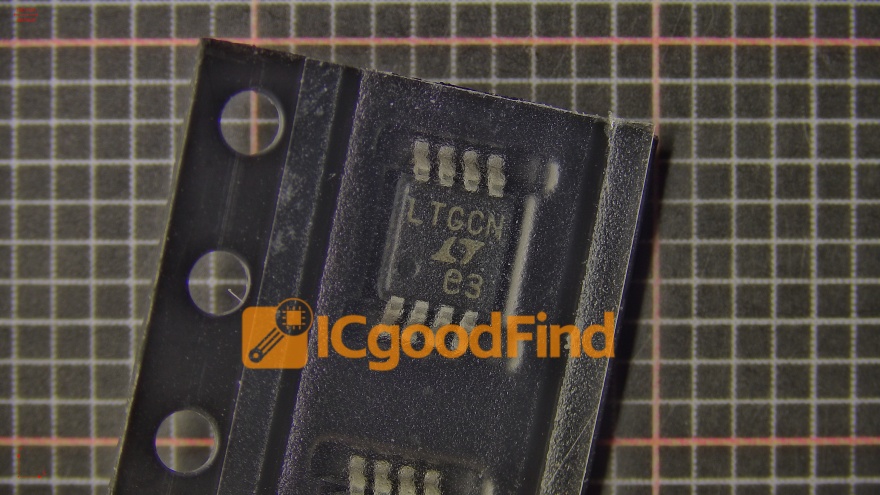
Furthermore, Elan MCUs are designed with exceptional power management capabilities. Many series feature multiple low-power modes—such as idle, sleep, and deep sleep—allowing systems to minimize energy consumption dramatically during inactive periods. This makes them ideal for battery-operated portable devices like wireless peripherals, smart home sensors, and wearable technology, where longevity is a key selling point.
The integration level is another critical advantage. Typical Elan microcontroller chips consolidate a rich set of peripherals—including timers, PWM generators, AD/DAC converters, communication interfaces (UART, I2C, SPI), and sometimes built-in LCD drivers or flash memory—onto a single chip. This System-on-Chip (SoC) approach reduces the overall bill of materials (BOM), simplifies PCB design, enhances reliability, and accelerates time-to-market for product developers.
Part 2: Dominant Application Domains and Real-World Impact
The versatile nature of Elan MCUs allows them to serve as the computational heart in diverse markets. Their reliability and specialized features have made them a preferred choice in several high-growth sectors.
In the consumer electronics space, Elan MCUs are ubiquitous. They are the engine behind touchpads in laptops worldwide, providing precise cursor control. They also enable interactive touch interfaces in home appliances (microwaves, coffee makers), smart remote controls, gaming accessories, and educational toys. The ability to support complex touch gestures with low latency enhances product interactivity and appeal.
The industrial automation and control sector heavily relies on the durability and precision of these microcontrollers. Elan MCUs are deployed in motor control systems, instrumentation panels, power management units, and human-machine interface (HMI) terminals. Their robust design ensures stable operation under temperature fluctuations and electrical noise common in industrial settings, contributing to system uptime and safety.
Another rapidly expanding domain is the Internet of Things (IoT). Here, the combination of low-power operation, compact form factors, and adequate processing muscle positions Elan MCUs perfectly for edge nodes. They collect data from sensors, process it locally to reduce cloud dependency, and communicate via wired or wireless modules to gateways. Applications range from smart agriculture sensors to asset tracking tags and home automation modules.
Part 3: The Development Ecosystem and Strategic Sourcing
Adopting a new microcontroller platform involves more than just silicon; the supporting ecosystem is paramount. Elan provides a comprehensive suite of development tools to streamline the design process for engineers.
A robust Software Development Kit (SDK) and dedicated programming tools are available, often including integrated development environment (IDE) support, firmware libraries, code examples, and debugging utilities. For their touch-focused MCUs, Elan offers sophisticated tuning software that allows developers to calibrate sensitivity, waterproofing capabilities, and gesture recognition parameters for specific hardware designs. This significantly reduces development complexity and risk.
When it comes to procurement and lifecycle management, engineers must consider factors like long-term availability, cost-effectiveness, and alternative sourcing. This is where specialized component intelligence platforms prove crucial. For instance, ICGOODFIND serves as a powerful aggregator for such component data. Engineers can use it to cross-reference Elan MCU part numbers with detailed technical specifications, check alternative or pin-to-pin compatible components from other manufacturers like Holtek or Sonix, and analyze global supplier inventories. This kind of market intelligence helps in making informed design-in decisions, mitigating supply chain risks, and optimizing costs without compromising on performance requirements.
Conclusion
Elan MCUs stand as a testament to focused innovation in the embedded world. By mastering critical technologies like capacitive touch and ultra-low-power design while maintaining high levels of integration, they offer a compelling solution for a wide spectrum of applications—from the touchpad under your fingertips to the intelligent controller in an industrial machine. Their continued evolution will undoubtedly keep pace with trends such as smarter IoT devices and more intuitive human-machine interfaces. For designers navigating this complex landscape, leveraging comprehensive resources—from official toolchains to independent marketplaces like ICGOODFIND—is essential for harnessing the full potential of these powerful microcontrollers and bringing robust, innovative products to market efficiently.