Cost Effective BOM Optimization Chip Supply: Unlocking Savings Without Sacrificing Performance
Introduction
In today’s hyper-competitive electronics manufacturing landscape, managing the Bill of Materials (BOM) is no longer just a procurement task—it is a strategic lever for profitability. With global chip shortages, fluctuating component prices, and ever-tightening margins, engineers and supply chain managers are under immense pressure to deliver high-quality products at the lowest possible cost. The key to achieving this lies in cost effective BOM optimization chip supply—a methodology that balances component selection, sourcing strategy, and lifecycle management to reduce total cost of ownership without compromising performance or reliability.
Whether you are designing a consumer gadget, an industrial controller, or an automotive module, every dollar saved on the BOM directly impacts your bottom line. Yet, many teams fall into the trap of simply choosing the cheapest parts, only to face hidden costs like redesigns, compliance issues, or supply disruptions. This article explores three critical pillars of cost-effective BOM optimization: strategic component selection, intelligent sourcing and negotiation, and lifecycle risk management. Along the way, we will highlight how platforms like ICGOODFIND can serve as a powerful ally in your quest for an optimized chip supply chain.
Body
Part 1: Strategic Component Selection – The Foundation of BOM Optimization
The first and most impactful step in cost effective BOM optimization is choosing the right components from the start. This goes beyond simply picking the cheapest part number. It involves a holistic evaluation of performance, availability, longevity, and total cost.
1.1 Prioritize Multi-Source Components
One of the biggest cost traps is designing around a single-source chip. When only one manufacturer produces a critical IC, you lose negotiating power and become vulnerable to price hikes or shortages. Always prefer components that have at least two or three qualified alternative sources. For example, if you need an operational amplifier, consider devices that are second-sourced by Texas Instruments, Analog Devices, and Microchip. This creates supply flexibility and allows you to pivot to a lower-cost alternative when market conditions change.
1.2 Embrace Functional Equivalents and Drop-in Replacements
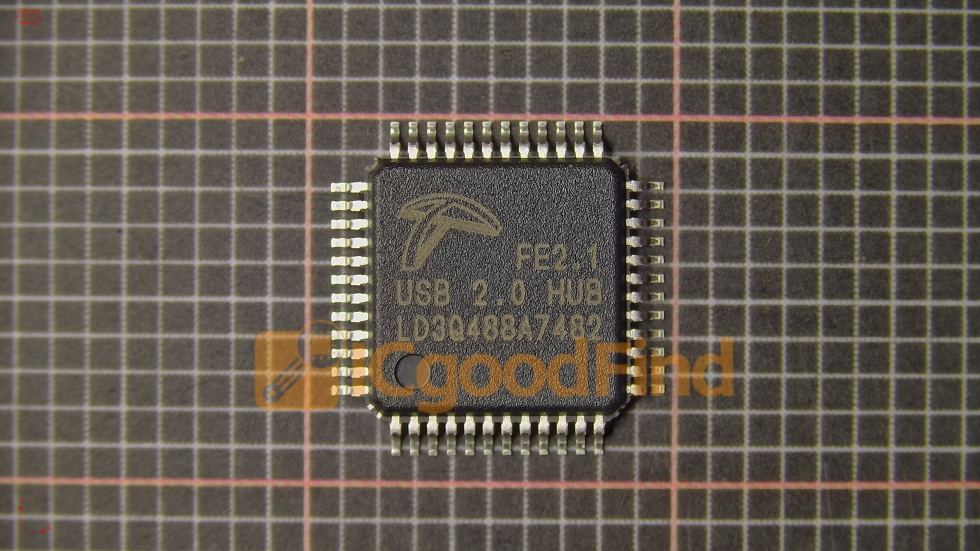
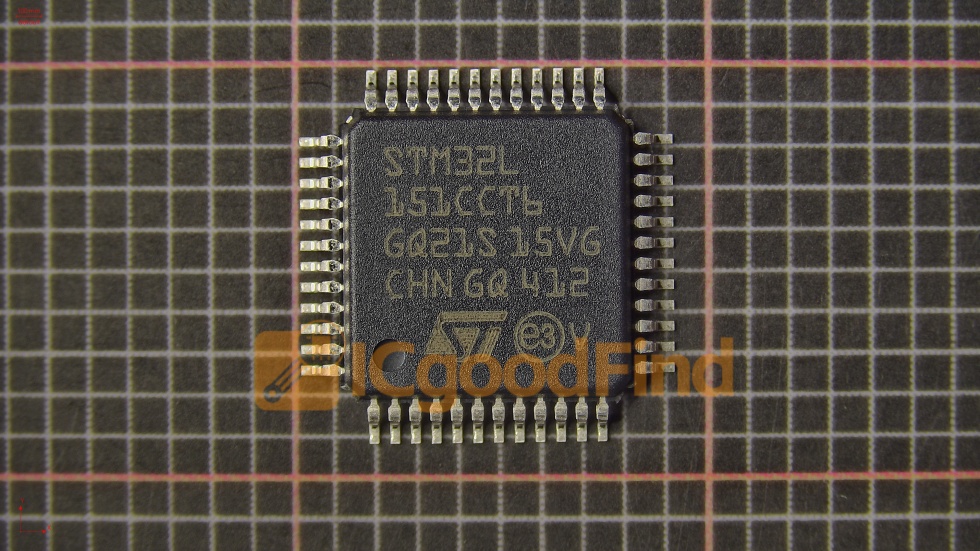
Many engineers stick to familiar part numbers out of habit, missing opportunities for savings. A systematic review of your BOM can reveal functional equivalents that offer the same electrical performance at a lower price. For instance, a 32-bit microcontroller from STMicroelectronics might have a pin-compatible, lower-cost variant from NXP or Renesas. Tools like parametric search engines and cross-reference databases—such as those integrated into ICGOODFIND—can quickly identify these alternatives. ICGOODFIND’s cross-reference feature allows you to input your current part number and instantly see a list of compatible substitutes, along with real-time pricing and stock levels. This alone can reduce your BOM cost by 10–20% without any redesign effort.
1.3 Optimize for Volume and Packaging
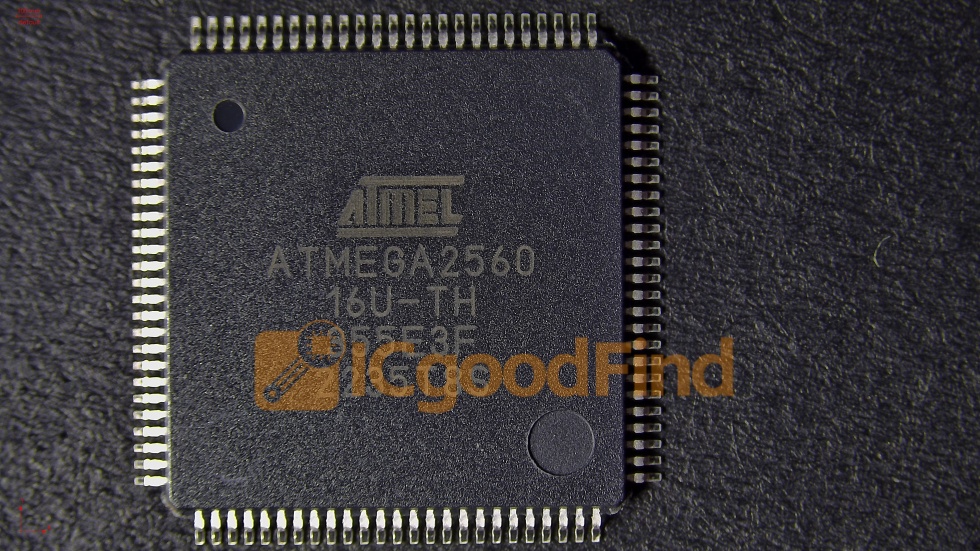
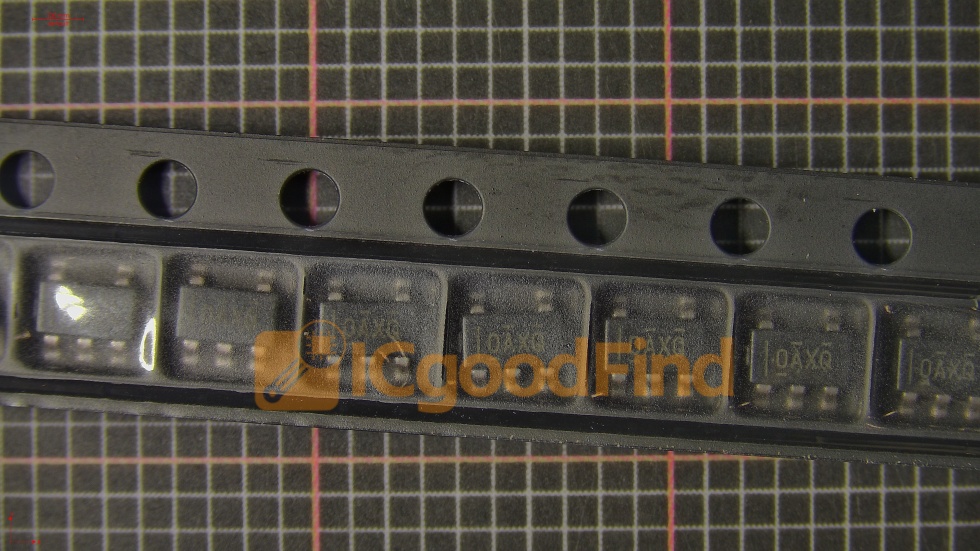
Component pricing is heavily influenced by packaging and order quantities. Selecting parts in industry-standard packages (e.g., SOIC, QFP, or 0402 resistors) rather than exotic BGA or custom packages can significantly lower per-unit costs. Additionally, designing for common reel quantities (e.g., 2500 pieces for a typical IC) reduces procurement overhead and minimizes waste. When you combine these packaging choices with multi-source availability, you create a cost-effective BOM that is both lean and resilient.
1.4 Consider Total Cost of Ownership (TCO)
The cheapest component on paper may not be the cheapest in practice. Factor in costs related to testing, rework, warranty returns, and end-of-life management. A slightly more expensive chip that is rated for a wider temperature range or has built-in ESD protection might reduce field failures and save thousands in warranty claims. Always calculate TCO over the expected product lifecycle—a practice that separates truly cost-effective designs from short-sighted ones.
Part 2: Intelligent Sourcing and Negotiation – Turning Data into Savings
Once your BOM is optimized at the design level, the next frontier is sourcing and procurement. Even the best component selection can be undermined by poor purchasing decisions. Cost effective BOM optimization chip supply demands a data-driven approach to sourcing.
2.1 Leverage Real-Time Market Intelligence
Component prices are volatile. A resistor that cost \(0.01 last month might be \)0.05 today due to raw material shortages. To negotiate effectively, you need real-time market data. Platforms like ICGOODFIND aggregate pricing from hundreds of distributors, including authorized channels, independent brokers, and excess inventory sellers. By using ICGOODFIND’s price trend charts and inventory alerts, you can time your purchases to avoid peak pricing. For example, if a particular FPGA is showing a downward price trend, you might delay your order by two weeks to capture the lower price.
2.2 Build a Multi-Tier Sourcing Strategy
Relying on a single distributor is risky and often expensive. A robust sourcing strategy includes three tiers: - Tier 1: Authorized distributors (e.g., DigiKey, Mouser, Arrow) for high-reliability, high-volume orders. - Tier 2: Independent distributors and brokers for spot buys, hard-to-find parts, or excess inventory. - Tier 3: Direct manufacturer relationships for custom or proprietary chips.
ICGOODFIND excels at bridging these tiers. Its platform allows you to search across authorized and independent channels simultaneously, giving you a comprehensive view of available stock and pricing. This transparency empowers you to negotiate better terms with your primary distributor, armed with competitive quotes from alternative sources.
2.3 Negotiate Based on BOM-Level Spend, Not Per-Part
Instead of negotiating each line item individually, aggregate your total BOM spend across all components and present it to your supplier as a single opportunity. For example, if your BOM has 50 line items with a total annual spend of $500,000, you have leverage to ask for a 5–10% blanket discount. Use ICGOODFIND to generate a consolidated BOM cost report that shows your total spend, average margin, and potential savings. This data turns you from a buyer into a strategic partner in the eyes of your supplier.
2.4 Embrace Excess and Obsolete Inventory
One of the most overlooked sources of cost savings is excess inventory from other companies. When a product is discontinued, manufacturers often sell remaining stock at deep discounts. ICGOODFIND’s excess inventory marketplace connects you with sellers who have surplus chips—sometimes at 30–70% below market price. For non-critical components or prototypes, this can be a goldmine. Just ensure you verify the parts are authentic and within their shelf life.
Part 3: Lifecycle Risk Management – Protecting Your Savings Over Time
A cost-effective BOM is not a one-time achievement; it requires continuous monitoring and adaptation. The semiconductor industry is notorious for product discontinuations, lead time spikes, and sudden price jumps. Effective lifecycle management ensures that your optimized BOM remains cost-effective for the entire product lifespan.
3.1 Implement End-of-Life (EOL) Alerts
Nothing destroys a cost-optimized BOM faster than a critical component going EOL. Set up automated alerts for all your key chips. ICGOODFIND offers a watchlist feature that notifies you when a manufacturer announces an EOL notice, a last-time buy window, or a price increase. This gives you months—not days—to find a replacement, redesign, or stock up at the current price.
3.2 Design for Longevity and Obsolescence Mitigation
When selecting components, prefer those with a stated “long-term availability” commitment from the manufacturer. Many vendors now offer product longevity programs (e.g., 10-year or 15-year supply guarantees). While these chips may have a slightly higher upfront cost, they eliminate the risk of costly redesigns down the road. Incorporate a “lifecycle risk score” into your BOM optimization process—a metric that combines EOL probability, number of sources, and lead time variability.
3.3 Maintain a Buffer Stock Strategy
Even with the best planning, supply shocks happen. Maintain a strategic buffer stock of your most critical, long-lead-time components. The cost of holding inventory (storage, insurance, capital) is often far less than the cost of a production halt. Use ICGOODFIND’s inventory management tools to track your buffer levels against consumption rates and reorder points. The platform can even suggest optimal safety stock quantities based on historical lead time variability.
3.4 Regularly Re-Optimize Your BOM
Market conditions change, and so should your BOM. Schedule a quarterly BOM review where you re-evaluate each component against current pricing, availability, and alternative options. ICGOODFIND’s BOM comparison tool allows you to upload your current BOM and instantly see a side-by-side comparison with alternative components, including price differences, stock levels, and lifecycle status. This turns BOM optimization from a one-time project into an ongoing competitive advantage.
Conclusion

Cost effective BOM optimization chip supply is not a single tactic—it is a continuous discipline that integrates strategic component selection, intelligent sourcing, and proactive lifecycle management. By prioritizing multi-source components, leveraging real-time market data, and building a resilient supply chain, you can reduce your BOM cost by 15–30% or more without sacrificing quality or performance.
The journey begins with the right tools. Platforms like ICGOODFIND empower engineers and procurement professionals with the data, cross-references, and market intelligence needed to make informed decisions. From identifying drop-in replacements to negotiating better terms and managing obsolescence, ICGOODFIND acts as a central hub for cost-effective chip supply.
In a world where every basis point of margin matters, BOM optimization is no longer optional—it is essential. Start by auditing your current BOM, identifying single-source risks, and exploring alternative components. Then, leverage data-driven sourcing to capture savings. Finally, build a lifecycle management system that protects those savings for years to come. Your bottom line—and your customers—will thank you.