

The Backbone of Modern Technology: Understanding Integrated Circuits and Their Unstoppable Evolution
Introduction
In the digital age, few inventions have shaped our world as profoundly as the integrated circuit (IC). Often referred to as the “microchip” or simply the “chip,” the integrated circuit is the fundamental building block of virtually every electronic device we use today—from smartphones and laptops to medical implants, automobiles, and space exploration systems. Without integrated circuits, the modern world as we know it would simply not exist. This article explores the definition, history, types, manufacturing process, and future trends of integrated circuits, while also highlighting how platforms like ICGOODFIND are revolutionizing the way engineers and hobbyists source these critical components. By the end, you will understand why integrated circuits remain the most important technological innovation of the last 60 years.
Part 1: What Are Integrated Circuits and How Do They Work?
1.1 Definition and Core Concept
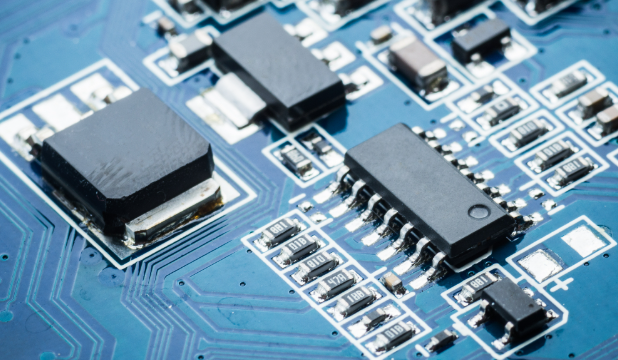
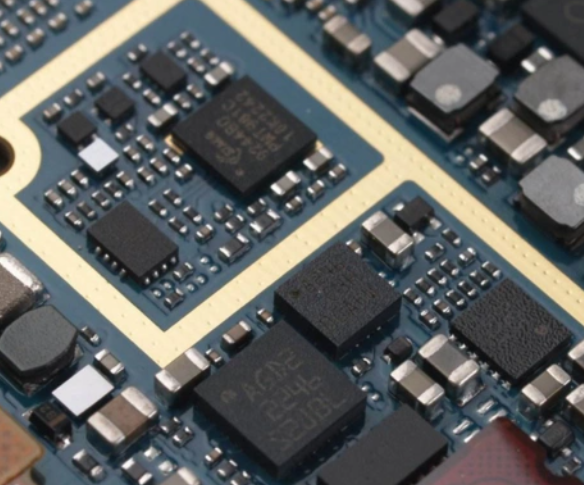
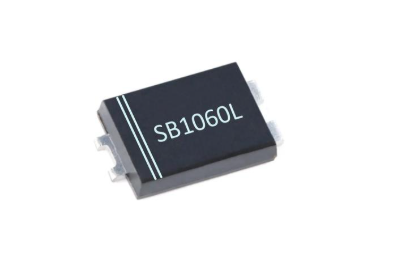
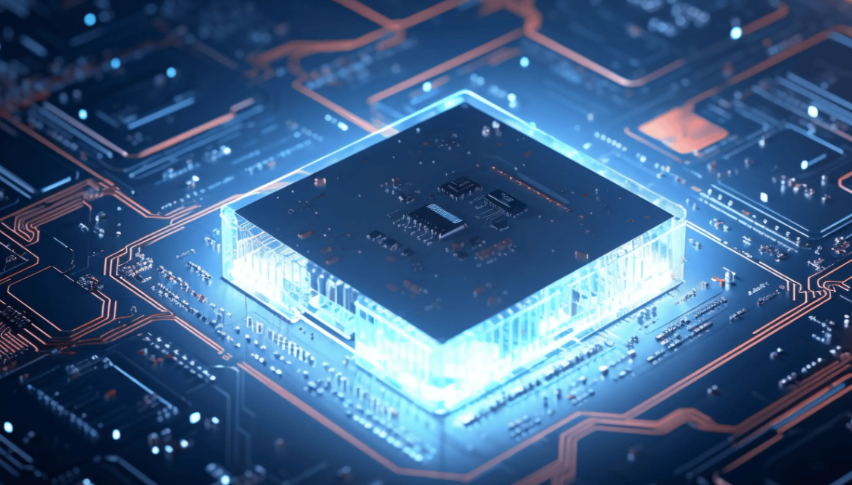
An integrated circuit is a miniaturized electronic circuit that consists of thousands, millions, or even billions of transistors, resistors, capacitors, and other components fabricated onto a single piece of semiconductor material, typically silicon. The key innovation of the IC is that it integrates multiple discrete components into a single, compact package, dramatically reducing size, power consumption, and cost while increasing reliability and performance.
The term “integrated” refers to the fact that all components are manufactured together on a single substrate using photolithography and other advanced processes, rather than being assembled separately. This integration allows for complex functionality—such as amplification, signal processing, memory storage, and logic operations—to be packed into a chip smaller than a fingernail.
1.2 How Integrated Circuits Work
At the heart of every integrated circuit lies the transistor, a tiny switch that can control the flow of electrical current. Transistors are arranged in logic gates (AND, OR, NOT, etc.), which perform basic binary operations. By combining millions or billions of these gates, ICs can execute complex instructions, store data, and communicate with other components.
The operation of an IC depends on doping—the process of adding impurities to silicon to create regions with either excess electrons (N-type) or missing electrons (P-type). These regions form PN junctions, which are the basis for diodes and transistors. When voltage is applied, electrons flow through these junctions, enabling the chip to perform its intended function.
Key types of integrated circuits include: - Analog ICs: Process continuous signals (e.g., operational amplifiers, voltage regulators) - Digital ICs: Process discrete binary signals (e.g., microprocessors, memory chips, FPGAs) - Mixed-Signal ICs: Combine analog and digital functions (e.g., data converters, RF chips)
1.3 The Importance of Miniaturization
The relentless drive to shrink transistor sizes has been the primary force behind the exponential growth of computing power, famously described by Moore’s Law. In 1965, Gordon Moore predicted that the number of transistors on a chip would double approximately every two years. This prediction held true for decades, enabling chips like the Apple M3 Ultra to contain over 100 billion transistors on a single die.

Smaller transistors mean: - Higher speed (shorter distances for electrons to travel) - Lower power consumption (less energy needed to switch states) - Lower cost per transistor (more chips per silicon wafer) - Greater functionality (more features integrated into the same footprint)
However, as we approach the physical limits of silicon (transistor sizes below 3 nanometers), the industry is exploring new materials and architectures, such as GAAFET (Gate-All-Around FET) and quantum tunneling devices.
Part 2: The Manufacturing Process and Global Supply Chain
2.1 From Sand to Silicon Wafer
The journey of an integrated circuit begins with silicon dioxide (SiO₂), commonly found in sand. Through a series of chemical reactions, raw silicon is purified into electronic-grade silicon (EGS) with 99.9999999% purity. This is then melted and grown into a single-crystal ingot using the Czochralski process. The ingot is sliced into thin wafers, typically 300mm in diameter, which serve as the substrate for IC fabrication.
2.2 Photolithography and Fabrication Steps
The actual creation of an IC involves hundreds of steps, but the core process is photolithography. Here’s a simplified overview:
- Oxidation: A thin layer of silicon dioxide is grown on the wafer surface.
- Photoresist coating: A light-sensitive polymer is applied.
- Masking and exposure: A photomask containing the circuit pattern is aligned, and ultraviolet light is shone through it.
- Development: Exposed areas of photoresist are washed away.
- Etching: The unprotected oxide is removed using chemicals or plasma.
- Doping: Impurities are introduced to create N-type and P-type regions.
- Deposition: Thin films of metal (e.g., copper, aluminum) are added to create interconnects.
- Repeat: These steps are repeated dozens of times to build up multiple layers of circuitry.
Advanced nodes (e.g., 5nm, 3nm) require extreme ultraviolet (EUV) lithography, which uses 13.5nm wavelength light to achieve finer patterns. Companies like TSMC, Samsung, and Intel invest billions of dollars in each new fabrication facility (fab).
2.3 Testing, Packaging, and Distribution
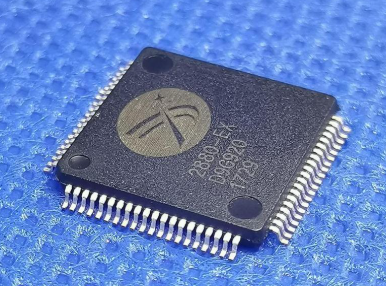
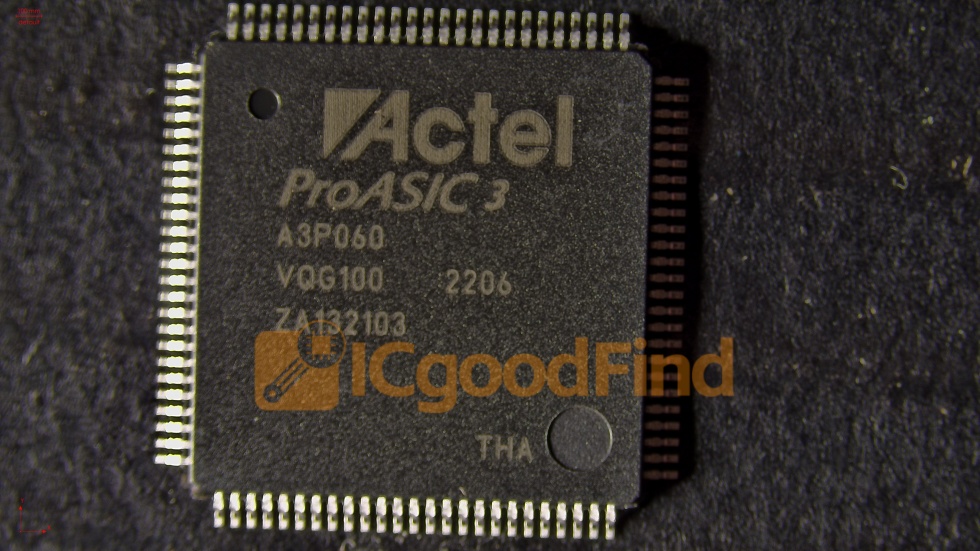
After fabrication, each wafer is tested using probe cards to identify functional dies. The wafer is then diced into individual chips, which are packaged into protective enclosures (e.g., BGA, QFP, SOIC). Packaging provides electrical connections (pins or balls) and thermal management.
The final step is distribution, where chips are shipped to OEMs, distributors, and hobbyists. This is where platforms like ICGOODFIND play a crucial role. ICGOODFIND is an online marketplace that aggregates inventory from thousands of suppliers worldwide, allowing users to search, compare, and purchase integrated circuits with ease. Whether you need a rare obsolete IC for a legacy system or the latest ARM Cortex-M4 microcontroller, ICGOODFIND provides real-time pricing, stock availability, and datasheets—making it an indispensable tool for engineers and procurement professionals.
2.4 The Global Supply Chain Challenge
The IC supply chain is highly complex and geographically concentrated. Taiwan produces over 60% of the world’s advanced chips, while South Korea leads in memory ICs. This concentration creates vulnerabilities, as seen during the COVID-19 pandemic and the 2021 chip shortage, which disrupted automotive, consumer electronics, and industrial sectors.
To mitigate risks, governments are investing in domestic chip manufacturing (e.g., the U.S. CHIPS Act, EU Chips Act). Meanwhile, distributors like ICGOODFIND help bridge gaps by providing global sourcing capabilities, ensuring that even during shortages, critical components can be located and delivered.
Part 3: Applications, Innovations, and the Future
3.1 Current Applications Across Industries
Integrated circuits are ubiquitous. Here are some key sectors:
- Consumer Electronics: Smartphones (e.g., Apple A17 Pro, Qualcomm Snapdragon 8 Gen 3), laptops, smart TVs, wearables.
- Automotive: ADAS (Advanced Driver-Assistance Systems), infotainment, electric vehicle battery management. Modern cars contain over 1,000 ICs.
- Healthcare: Implantable pacemakers, MRI machines, portable diagnostic devices.
- Industrial: PLC controllers, robotics, IoT sensors.
- Aerospace and Defense: Radar systems, satellite communication, missile guidance.
3.2 Emerging Technologies Driving IC Evolution
The future of integrated circuits is being shaped by several groundbreaking trends:
- 3D Integration: Stacking multiple dies vertically (e.g., HBM memory, AMD 3D V-Cache) to increase bandwidth and reduce latency.
- Chiplets: Breaking a large chip into smaller, specialized dies (e.g., Intel Meteor Lake, AMD Ryzen) that are interconnected via advanced packaging.
- Silicon Photonics: Using light instead of electrons for data transmission within chips, enabling ultra-fast, low-power interconnects.
- Neuromorphic Computing: Designing ICs that mimic the human brain’s neural networks (e.g., Intel Loihi 2, IBM TrueNorth) for AI inference.
- Quantum Computing: While still nascent, quantum ICs using superconducting qubits or trapped ions promise to solve problems intractable for classical computers.
3.3 The Role of Open-Source Hardware and Accessibility
The democratization of IC design is another major trend. Open-source RISC-V architecture allows anyone to design custom processors without licensing fees. Tools like KiCad and EAGLE enable hobbyists to create PCBs with custom ICs. Platforms like ICGOODFIND further lower the barrier by providing easy access to a vast inventory of components, including development boards, FPGAs, and specialty ICs for prototyping.
For example, a student designing a smart agriculture sensor can use ICGOODFIND to source an ESP32 microcontroller, a BME280 environmental sensor IC, and a LoRa transceiver—all from a single, trusted marketplace. This accessibility accelerates innovation and reduces time-to-market for startups.
Conclusion
The integrated circuit is more than just a component; it is the engine of the digital revolution. From its humble beginnings as a handful of transistors on a silicon slab to today’s billion-transistor behemoths, the IC has consistently defied limits and enabled technologies once thought impossible. As we stand on the cusp of 3D stacking, chiplets, and quantum integration, the next chapter of IC evolution promises even greater performance, efficiency, and versatility.
For engineers, designers, and enthusiasts, staying ahead requires not only technical knowledge but also access to the right components. This is where ICGOODFIND becomes an invaluable ally—a platform that simplifies the sourcing process, offers competitive pricing, and provides reliable inventory data for millions of integrated circuits. Whether you are repairing a vintage amplifier, building a drone, or designing the next AI accelerator, ICGOODFIND ensures you have the chips you need, when you need them.
In a world increasingly driven by silicon, understanding integrated circuits is not just a technical skill—it is a window into the future. And with the right tools and resources, that future is more accessible than ever.