

The Essential Guide to Circuit Board Production Raw Material IC: From Selection to Sustainability
Introduction
In the fast-evolving world of electronics manufacturing, the circuit board production raw material IC (Integrated Circuit) stands as the backbone of modern device functionality. Whether you are designing a smartphone, a medical device, or an industrial control system, the quality and reliability of the raw materials used in circuit board production directly determine the performance, lifespan, and cost-efficiency of the final product. Among these materials, IC components play a pivotal role—they are the “brains” that process signals, manage power, and enable connectivity. However, selecting the right circuit board production raw material IC is not just about technical specs; it also involves supply chain stability, environmental compliance, and cost optimization. In this comprehensive guide, we will explore the three critical dimensions of circuit board production raw material IC: material types and selection criteria, manufacturing processes and quality control, and emerging trends in sustainable sourcing. Along the way, we will highlight how platforms like ICGOODFIND are revolutionizing the way engineers and procurement professionals source these essential components.
Part 1: Understanding the Core – Types and Selection of Circuit Board Production Raw Material IC
1.1 What Constitutes a Circuit Board Production Raw Material IC?
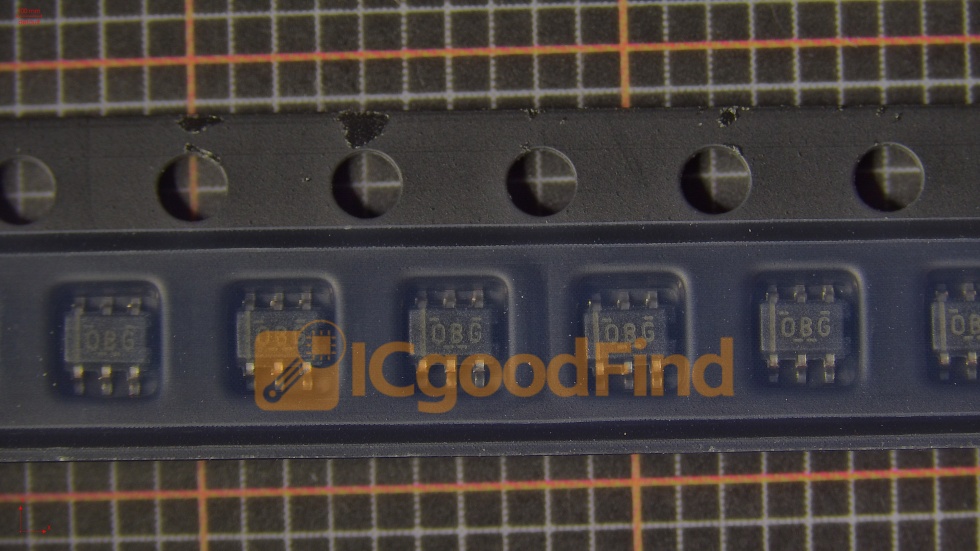
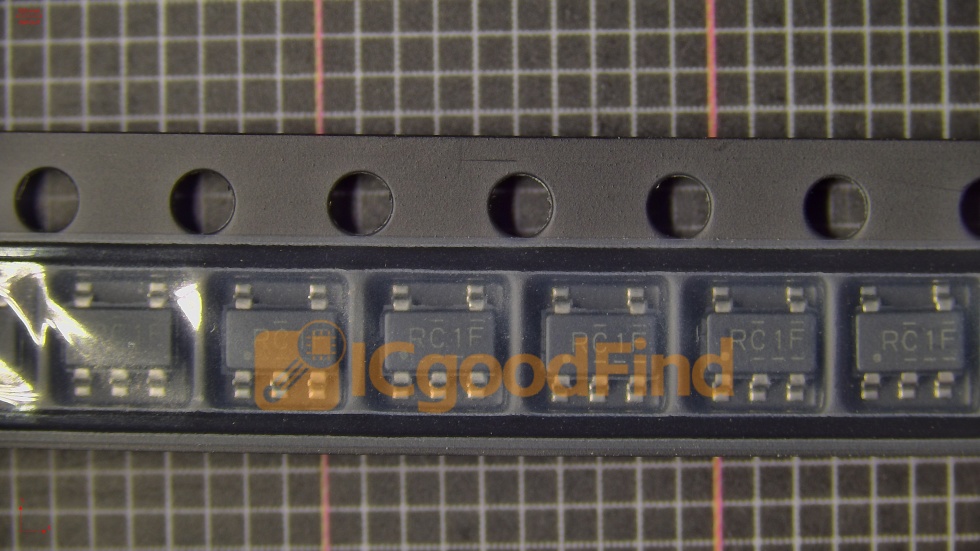
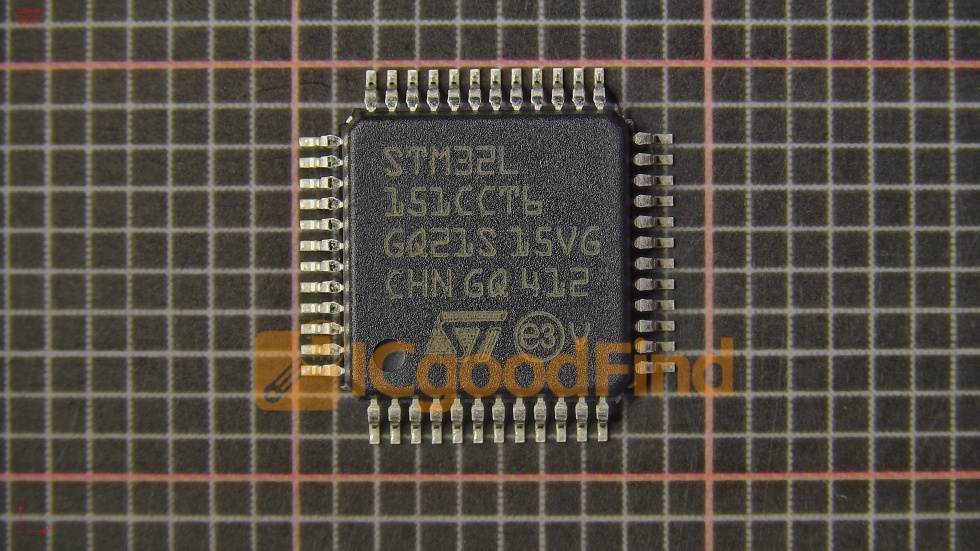
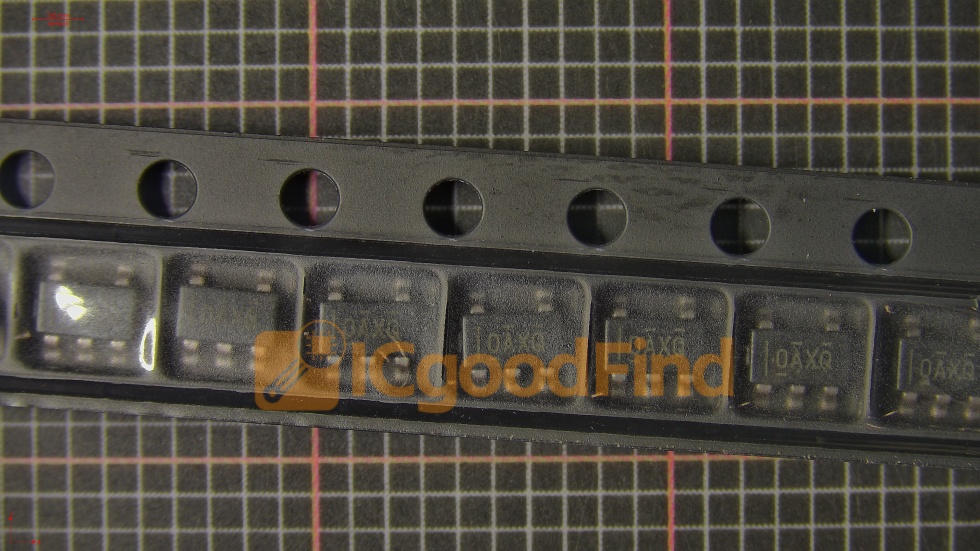
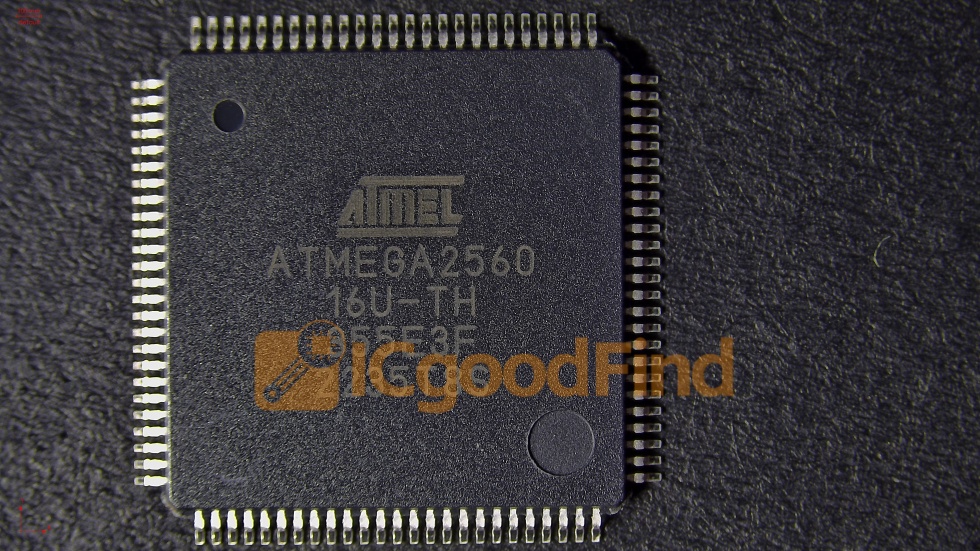
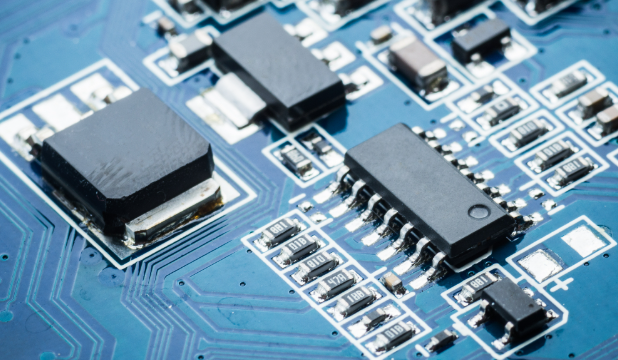
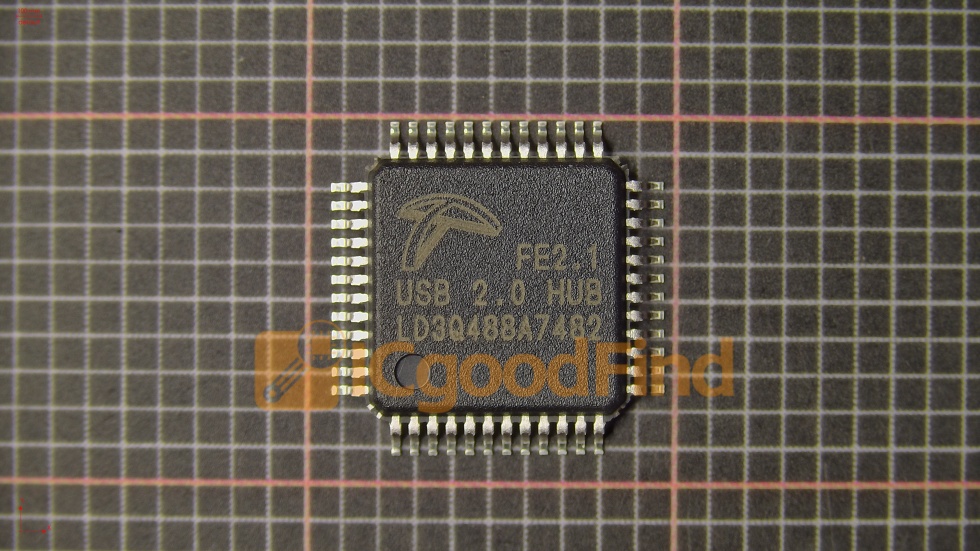
At its most fundamental level, a circuit board production raw material IC refers to the semiconductor chips that are mounted onto printed circuit boards (PCBs) to perform specific electronic functions. These ICs are fabricated from silicon wafers and packaged in various forms—such as DIP (Dual In-line Package), SOP (Small Outline Package), QFP (Quad Flat Package), and BGA (Ball Grid Array). The raw material for these ICs includes not only the silicon substrate but also doping materials (like boron or phosphorus), metal interconnects (copper or aluminum), and encapsulation resins (epoxy molding compounds). The purity and consistency of these raw materials directly affect the IC’s electrical performance, thermal stability, and reliability.
1.2 Key Selection Criteria for Circuit Board Production Raw Material IC
When selecting a circuit board production raw material IC, engineers must evaluate several critical parameters:
- Electrical Characteristics: Voltage rating, current capacity, switching speed, and power dissipation. For example, a high-speed logic IC requires low parasitic capacitance, while a power management IC demands low on-resistance.
- Thermal Performance: The junction temperature range and thermal resistance determine how well the IC can operate under load. Materials with high thermal conductivity, such as copper leadframes and ceramic substrates, are preferred for high-power applications.
- Reliability and Lifespan: Factors like electromigration resistance, moisture sensitivity level (MSL), and solder joint fatigue are crucial. ICs used in automotive or aerospace applications must meet stringent AEC-Q100 or MIL-STD-883 standards.
- Supply Chain Availability: With global semiconductor shortages still impacting the industry, sourcing circuit board production raw material IC from reliable distributors is paramount. Platforms like ICGOODFIND provide real-time inventory data, cross-referencing tools, and direct links to authorized suppliers, helping buyers avoid counterfeit parts and long lead times.
1.3 Common Types of Circuit Board Production Raw Material IC
- Analog ICs: Operational amplifiers, voltage regulators, and data converters. These require high-precision silicon wafers and thin-film resistors.
- Digital ICs: Microcontrollers, FPGAs, and memory chips. Their raw materials include advanced lithography-grade photoresists and ultra-pure copper for interconnects.
- Mixed-Signal ICs: Combining analog and digital functions, these demand low-noise substrates and shielded packaging to prevent interference.
- Power ICs: MOSFETs, IGBTs, and power management units. They rely on wide-bandgap materials like silicon carbide (SiC) or gallium nitride (GaN) for higher efficiency.
Part 2: From Raw Material to Finished IC – Manufacturing Processes and Quality Control
2.1 The Journey of Circuit Board Production Raw Material IC
The production of a circuit board production raw material IC begins with wafer fabrication in a cleanroom environment. High-purity silicon ingots are sliced into thin wafers, which then undergo photolithography, etching, doping, and metallization to create the transistor structures. After wafer testing, the dies are separated and packaged. The packaging process involves die attach (using epoxy or solder), wire bonding (gold or copper wires), and molding (epoxy resin). Each step introduces potential defects—such as voids in solder joints, cracks in the die, or contamination on bond pads—that can compromise the IC’s performance.
2.2 Quality Control in Raw Material IC Production
To ensure that the circuit board production raw material IC meets design specifications, manufacturers implement rigorous quality control measures:
- Incoming Material Inspection: Raw silicon wafers, leadframes, and molding compounds are tested for purity, flatness, and mechanical strength. For instance, X-ray fluorescence (XRF) is used to verify the composition of metal alloys.
- In-Process Monitoring: During wafer fabrication, optical inspection and scanning electron microscopy (SEM) detect pattern defects. Electrical test at the wafer level (known as wafer sort) identifies non-functional dies.
- Final Testing and Burn-In: Packaged ICs undergo functional testing at specified temperature ranges. Burn-in (operating the IC at elevated voltage and temperature for a set period) accelerates early-life failures, ensuring only robust components reach the market.
- Reliability Testing: Samples from each batch are subjected to temperature cycling, humidity testing, and mechanical shock to validate long-term durability.
2.3 The Role of Sourcing Platforms in Quality Assurance
For procurement professionals, verifying the authenticity and quality of circuit board production raw material IC is a constant challenge. Counterfeit ICs—often made from recycled or substandard materials—can cause catastrophic failures in critical systems. This is where ICGOODFIND adds significant value. The platform aggregates data from authorized distributors and original component manufacturers (OCMs), providing traceability certificates and lot-specific test reports. Users can search by part number, package type, or date code, and compare pricing from multiple vetted suppliers. Additionally, ICGOODFIND offers cross-reference tools that help engineers find equivalent ICs when the original part is obsolete or unavailable, ensuring continuity in production without sacrificing quality.
Part 3: Emerging Trends – Sustainability, Miniaturization, and Smart Sourcing
3.1 Sustainable Raw Materials for Circuit Board Production IC
The electronics industry is under increasing pressure to reduce its environmental footprint. For circuit board production raw material IC, this means exploring eco-friendly packaging materials (such as bio-based epoxy resins), lead-free solder alloys (like SAC305), and recyclable leadframes. Some manufacturers are also adopting green wafer fabrication processes that use less water and energy, and halogen-free molding compounds to minimize toxic emissions during disposal. However, sustainable materials must still meet the same electrical and thermal performance standards. ICGOODFIND now includes environmental compliance filters (e.g., RoHS, REACH, WEEE) in its search results, allowing buyers to prioritize ICs that align with their corporate sustainability goals.
3.2 Miniaturization and Advanced Packaging
As devices shrink, the demand for smaller, more powerful circuit board production raw material IC grows. This has led to innovations in advanced packaging technologies:
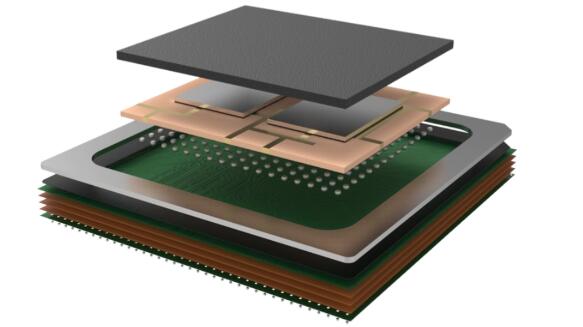
- System-in-Package (SiP): Multiple ICs (e.g., processor, memory, and sensor) are integrated into a single package, reducing board space and improving signal integrity.
- 3D Stacking: Dies are stacked vertically using through-silicon vias (TSVs) and micro-bumps, enabling higher density and faster data transfer.
- Embedded ICs: Active components are embedded directly into the PCB substrate, eliminating the need for separate packages and reducing parasitic effects.
These advanced packages require ultra-thin silicon wafers, high-density interconnect (HDI) substrates, and low-loss dielectric materials. Sourcing such specialized circuit board production raw material IC can be challenging, but ICGOODFIND offers parametric search for package dimensions, pin count, and thermal specifications, helping engineers find the exact advanced ICs they need.
3.3 Smart Sourcing with AI and Data Analytics
The future of circuit board production raw material IC procurement lies in data-driven decision-making. Platforms like ICGOODFIND are leveraging artificial intelligence (AI) to predict supply shortages, recommend alternative parts, and optimize inventory levels. For example, if a particular IC has a lead time of 20 weeks, the platform can suggest a functionally equivalent part that is in stock. Additionally, ICGOODFIND uses machine learning algorithms to detect price anomalies and flag potential counterfeit listings, giving buyers confidence in their purchases. By integrating real-time market intelligence, the platform transforms raw material IC sourcing from a reactive task into a strategic advantage.

Conclusion
The circuit board production raw material IC is far more than a simple component—it is the culmination of advanced materials science, precision manufacturing, and rigorous quality control. From selecting the right silicon wafer and packaging type to ensuring supply chain reliability and environmental compliance, every decision impacts the success of the final electronic product. As the industry moves toward greater miniaturization, sustainability, and smart sourcing, engineers and procurement professionals must stay informed about the latest materials, processes, and tools available.
Platforms like ICGOODFIND are bridging the gap between technical complexity and practical procurement. By offering verified sourcing, cross-reference capabilities, and real-time data, they empower users to make faster, more informed decisions when acquiring circuit board production raw material IC. Whether you are prototyping a new design or managing high-volume production, leveraging such resources can reduce costs, minimize risks, and accelerate time-to-market.
In a world where electronics are integral to every aspect of life, the quality of the circuit board production raw material IC you choose today will define the reliability of the devices we rely on tomorrow. Invest in knowledge, invest in quality, and let platforms like ICGOODFIND be your partner in navigating this critical supply chain.