

Medical Hardware Solution: The Critical Role of Stable Grade Chips in Modern Healthcare
Introduction
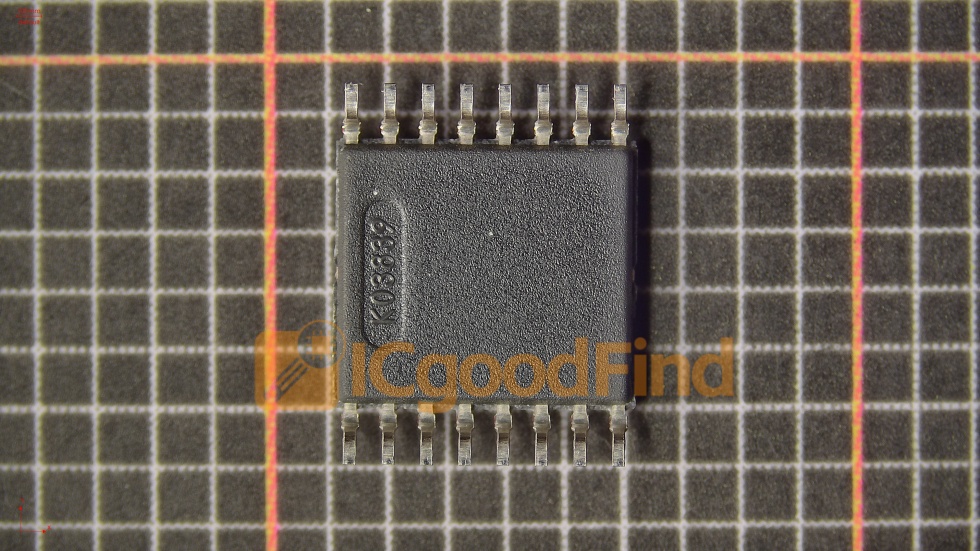
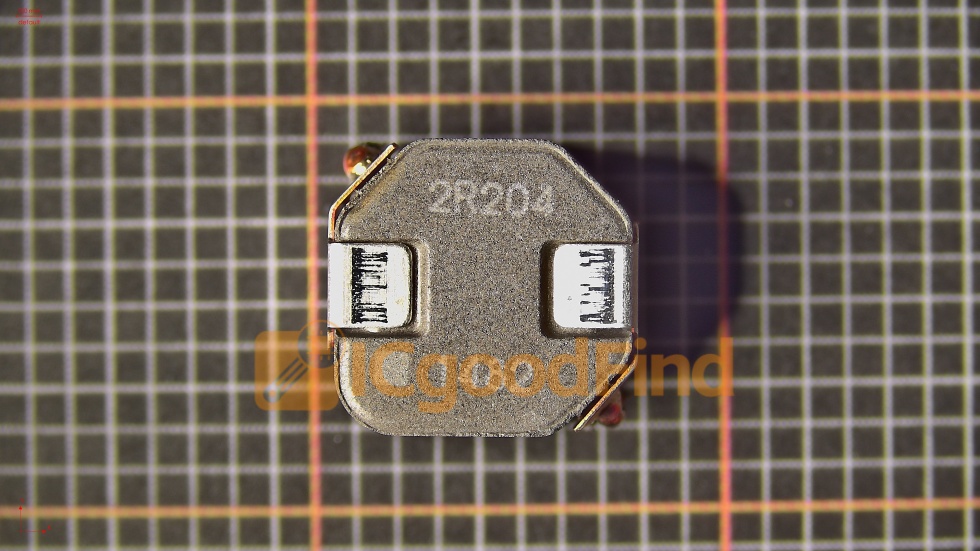
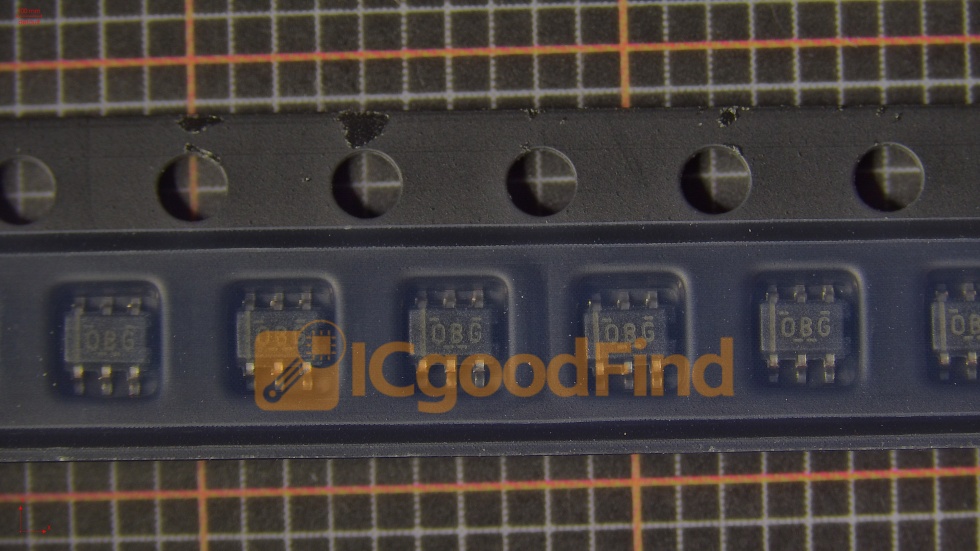
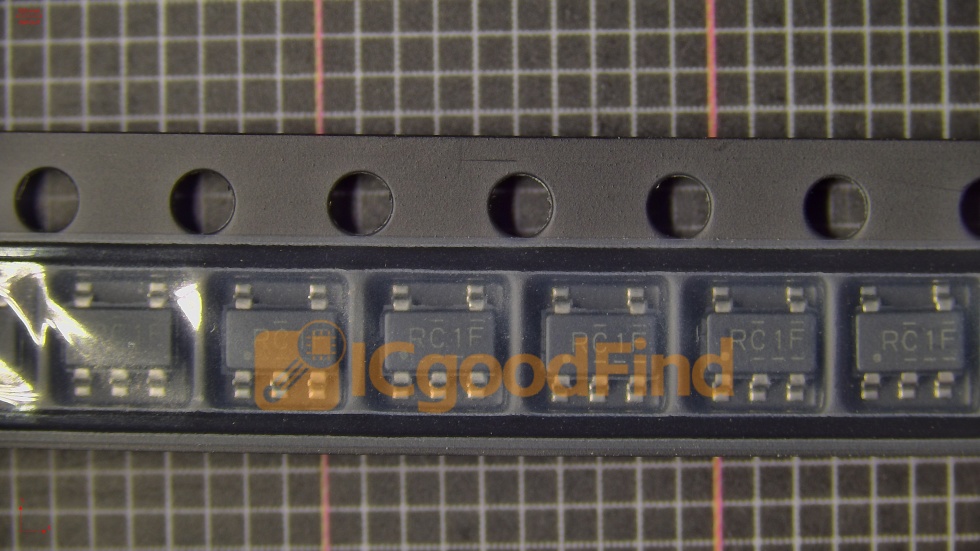
In the rapidly evolving landscape of medical technology, the demand for reliable, high-performance hardware has never been greater. From patient monitoring systems to advanced surgical robots, every medical device relies on a core component that often goes unnoticed: the semiconductor chip. However, not all chips are created equal. When it comes to life-critical applications, stable grade chips—specifically designed for medical hardware solutions—are the unsung heroes that ensure precision, safety, and uninterrupted operation. This article explores why stable grade chips are indispensable in medical hardware, how they differ from commercial-grade alternatives, and what the future holds for this specialized technology. For those seeking trusted sourcing of such components, platforms like ICGOODFIND have emerged as reliable partners in navigating the complex medical chip supply chain.
Part 1: Understanding Stable Grade Chips in Medical Hardware
1.1 What Defines a Stable Grade Chip?
A stable grade chip is a semiconductor component engineered to operate under extreme conditions with minimal performance variation. Unlike consumer-grade chips, which may tolerate temperature fluctuations, voltage spikes, or electromagnetic interference, stable grade chips are built to maintain consistent electrical characteristics over long periods. In medical hardware solutions, this stability translates directly to patient safety and diagnostic accuracy.
Key characteristics include: - Wide operating temperature range (typically -40°C to +125°C) - Low failure rate (measured in FITs—failures in time—often below 10 per billion hours) - Extended lifespan (10–20 years of continuous operation) - Radiation hardening for imaging equipment like MRI and CT scanners - Reduced jitter and noise in analog signal processing
1.2 Why Medical Hardware Demands Stability
Medical devices are not optional gadgets; they are life-supporting tools. Consider a ventilator controlling a patient’s breathing: a chip that malfunctions due to temperature drift could deliver incorrect oxygen levels. Similarly, an infusion pump relying on unstable timing could overdose a patient. Stable grade chips eliminate these risks by ensuring that performance parameters remain within tight tolerances regardless of environmental changes.
The FDA and ISO 13485 standards explicitly require medical device manufacturers to use components that meet reliability benchmarks. This is where stable grade chips become non-negotiable. They undergo rigorous qualification testing, including accelerated life tests, thermal cycling, and humidity exposure, to prove their robustness.
1.3 The Difference Between Commercial, Industrial, and Medical Grades
| Grade | Temperature Range | Failure Rate | Typical Application |
|---|---|---|---|
| Commercial | 0°C to 70°C | 100–1000 FIT | Consumer electronics |
| Industrial | -40°C to 85°C | 10–100 FIT | Factory automation |
| Medical (Stable) | -40°C to 125°C | <10 FIT | Life-critical devices |
Medical stable grade chips often incorporate redundant circuits and error-correction codes (ECC) that are absent in lower grades. For example, a pacemaker chip must function flawlessly for years inside the human body—a requirement that only stable grade silicon can fulfill.
Part 2: Applications of Stable Grade Chips in Medical Hardware Solutions
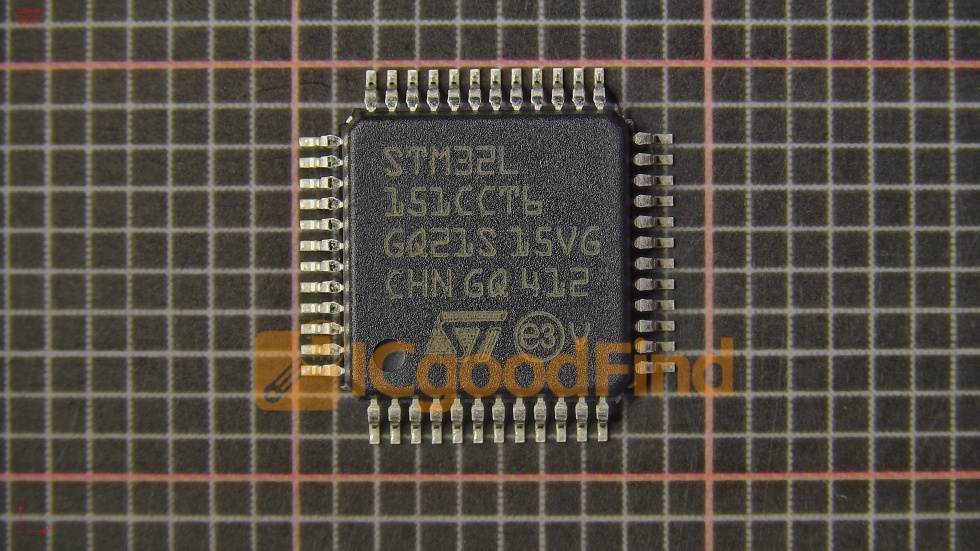
2.1 Patient Monitoring and Diagnostic Equipment
Vital signs monitors, ECG machines, and pulse oximeters rely on high-precision analog-to-digital converters (ADCs) built with stable grade chips. These chips must capture microvolt-level signals from the human body without distortion. A 0.1% drift in the ADC reference voltage could misdiagnose a cardiac arrhythmia.
ICGOODFIND lists numerous stable grade ADC chips from manufacturers like Texas Instruments and Analog Devices, specifically qualified for medical use. These components feature low noise floors (below 1 µV RMS) and built-in self-test capabilities, ensuring that the hardware solution remains calibrated over its lifetime.
2.2 Implantable and Wearable Medical Devices
Pacemakers, neurostimulators, and continuous glucose monitors are extreme examples of where stable grade chips are mandatory. These devices operate inside the body, where temperature is constant (37°C) but moisture, pressure, and electromagnetic interference are severe. Chips must be hermetically sealed and biocompatible.
The power management ICs in these devices require ultra-low quiescent current (nanoamps) and stable voltage regulation to extend battery life by years. Stable grade chips achieve this through bandgap reference circuits that maintain accuracy despite aging and radiation exposure. Without such stability, an implant could fail prematurely, requiring invasive replacement surgery.
2.3 Imaging and Surgical Systems
MRI machines, CT scanners, and robotic surgical arms demand massive data processing and real-time control. The FPGAs and microcontrollers used in these systems must be stable grade to handle high-speed data streams without timing errors. A single bit flip in a surgical robot’s control loop could cause catastrophic movement.
ICGOODFIND offers a curated selection of stable grade FPGAs from Xilinx and Intel (Altera), which include error-correcting memory and redundant logic blocks. These chips are tested to military-grade standards (MIL-STD-883) but priced for medical OEMs. The hardware solution for a modern operating room is only as reliable as the chips that drive it.
Part 3: Sourcing and Future Trends for Stable Grade Medical Chips
3.1 The Supply Chain Challenge
The global semiconductor shortage highlighted a critical issue: stable grade chips have long lead times (often 26–52 weeks) and limited suppliers. Unlike consumer chips, which can be mass-produced, medical-grade chips require specialized fabrication processes and extended testing cycles. This makes sourcing a strategic priority for medical device manufacturers.
Platforms like ICGOODFIND have emerged to bridge this gap. They provide verified sourcing for stable grade chips, with traceability back to the original foundry. Their database includes obsolescence alerts and cross-reference tools, helping engineers find drop-in replacements when a specific chip goes end-of-life. For example, if a TI OPAx series op-amp becomes unavailable, ICGOODFIND can recommend an equivalent stable grade part from Analog Devices or Maxim.
3.2 Emerging Technologies: AI and Edge Computing
The next generation of medical hardware will integrate artificial intelligence directly into devices. AI-enabled stethoscopes, smart endoscopes, and predictive analytics monitors require stable grade chips that can run neural network inference at the edge. These chips must balance computational power with thermal stability—a challenge because AI processors generate heat.
Stable grade AI accelerators (e.g., NVIDIA Jetson AGX Orin medical version) are now available, featuring active cooling and temperature-compensated clocking. ICGOODFIND tracks these emerging components, offering pre-release samples to medical R&D teams. The hardware solution for tomorrow’s hospital will be a distributed network of stable grade edge devices, each processing patient data locally to reduce latency and bandwidth.
3.3 Regulatory and Quality Assurance Trends
Regulatory bodies are tightening requirements for stable grade chips. The EU MDR and FDA’s cybersecurity guidelines now mandate software bill of materials (SBOM) for all medical devices, including the chip-level firmware. This means manufacturers must document every stable grade chip’s provenance and security posture.
ICGOODFIND supports this by providing certificates of conformance and test reports for each component. They also offer counterfeit detection services, using X-ray analysis and decapsulation to verify that a chip is genuine stable grade—not a remarketed commercial part. As medical hardware becomes more connected, the trustworthiness of the chip supply chain will be a competitive differentiator.
Conclusion
Stable grade chips are the backbone of modern medical hardware solutions. They ensure that life-critical devices operate with unwavering precision in the most demanding environments—from the sterile operating room to the inside of the human body. As healthcare technology advances toward AI-driven diagnostics and implantable therapeutics, the demand for these specialized components will only grow.

For engineers and procurement professionals, sourcing stable grade chips requires expertise and reliable partners. Platforms like ICGOODFIND simplify this process by offering verified inventory, technical documentation, and obsolescence management. By prioritizing stability over cost, medical device manufacturers can deliver safer, more effective hardware solutions that save lives.
The next time you see a patient monitor or a surgical robot, remember: inside that machine, stable grade chips are working silently, tirelessly, and accurately—because in healthcare, stability is not a luxury; it is a necessity.