Shenzhen Electronic Component Company Distributors: Your Gateway to Innovation and Supply Chain Excellence
Introduction
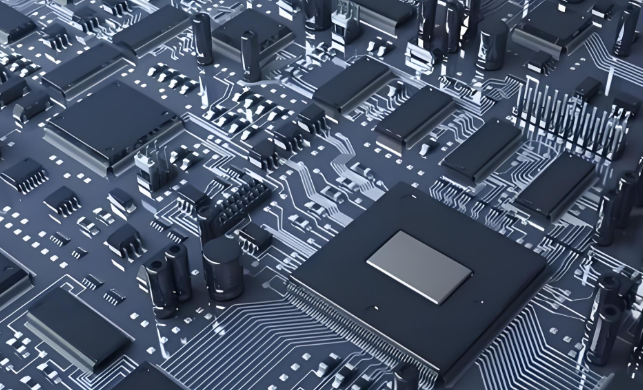
In the pulsating heart of global electronics manufacturing, Shenzhen stands as an undisputed titan. This megacity, often dubbed the “Silicon Valley of Hardware,” is the epicenter for sourcing everything from basic resistors to cutting-edge microprocessors. For businesses worldwide, navigating this vast ecosystem begins with a critical partnership: engaging with a reliable Shenzhen electronic component company distributor. These distributors are far more than mere intermediaries; they are vital conduits to innovation, market agility, and supply chain resilience. In an era defined by rapid technological shifts and complex logistics, choosing the right distributor in Shenzhen can mean the difference between market leadership and obsolescence. This article delves into the indispensable role these entities play, the unique advantages of sourcing from Shenzhen, and how they empower global electronics production.
The Strategic Imperative of Partnering with Shenzhen Distributors
The decision to source electronic components through Shenzhen-based distributors is a strategic one, driven by several compelling factors that directly impact a company’s bottom line and innovative capacity.
First and foremost is unparalleled access to a concentrated supply network. Shenzhen is home to the world’s largest electronics market cluster, with hubs like Huaqiangbei offering immediate access to millions of components. A local distributor leverages this proximity, providing clients with a vast inventory that spans passive components, semiconductors, electromechanical parts, and emerging IoT modules. This concentration drastically reduces lead times and allows for rapid prototyping and small-batch production, which is crucial for startups and R&D departments.
Secondly, these distributors provide critical expertise in navigating complex supply chains. The global electronics component market is fraught with challenges: counterfeit parts, volatile pricing, allocation shortages, and lengthy import/export procedures. Established Shenzhen distributors act as knowledgeable guides. They implement rigorous quality control and authentication processes to mitigate the risk of counterfeit components. Furthermore, their deep-rooted relationships with both local manufacturers and global brands enable them to secure stock during widespread shortages, ensuring business continuity for their clients.
Finally, partnering with a Shenzhen distributor offers a significant competitive advantage in cost-efficiency and scalability. By consolidating purchases and leveraging their bulk buying power, distributors can negotiate better prices from manufacturers, savings that are often passed on to buyers. Their local logistics expertise also optimizes shipping and customs clearance, reducing hidden costs. As a business grows from prototype to mass production, a capable distributor seamlessly scales the supply volume, managing the intricate logistics of moving from hundreds to millions of units without the client needing to build massive internal procurement infrastructure.
Key Services That Define Top-Tier Shenzhen Distributors
Not all distributors are created equal. The leading Shenzhen electronic component company distributors differentiate themselves through a suite of value-added services that transform them from suppliers into strategic partners.
Comprehensive Supply Chain Solutions and Inventory Management are foundational. Top distributors offer vendor-managed inventory (VMI), just-in-time (JIT) delivery, and bonded warehouse services. They use advanced ERP systems to provide real-time inventory visibility, allowing clients to track component availability, pricing fluctuations, and order status transparently. This level of integration helps OEMs and contract manufacturers minimize their inventory holding costs while maximizing production uptime.
Another crucial service is technical support and component sourcing expertise. The best distributors employ field application engineers (FAEs) who can assist with component selection, alternative part recommendations during shortages, and even basic design-in support. Their deep market intelligence is invaluable; they can identify obsolete parts and suggest next-generation alternatives or help source rare-to-find (RTF) components that are not available on the open market. This technical guidance accelerates product development cycles.
Furthermore, excellence in logistics integration and quality assurance protocols sets industry leaders apart. They operate sophisticated logistics networks that handle international shipping, customs brokerage (Incoterms expertise), and last-mile delivery efficiently. Crucially, they invest in stringent quality management systems. Many are ISO-certified and operate in-house laboratories for testing components—performing X-ray inspection, solderability tests, and decapsulation to verify authenticity and performance specifications. This due diligence protects clients from costly field failures and reputational damage.
Navigating Challenges and Future Trends
While the opportunities are immense, sourcing through Shenzhen also presents specific challenges that must be intelligently managed.
The primary concern for many overseas buyers is ensuring component authenticity and consistent quality. The market’s sheer size and velocity can sometimes attract bad actors. Mitigating this risk requires deliberately partnering with distributors who have established brands, verifiable certifications, and transparent quality control processes. Auditing a distributor’s facilities or supply chain practices, either virtually or in person, is a prudent step.
Another challenge is effective communication across cultural and linguistic barriers. Misunderstandings regarding specifications, documentation requirements (such as RoHS or REACH compliance certificates), or order details can lead to costly errors. Leading distributors address this by employing multilingual sales and support teams, providing clear English documentation, and maintaining responsive communication channels.
Looking ahead, several trends are shaping the future of distribution in Shenzhen. The rise of digital procurement platforms and data-driven sourcing is paramount. Distributors are integrating AI-powered search engines, API connectivity for automated purchasing, and data analytics tools that predict price trends and identify supply risks. Sustainability is also becoming a key differentiator, with growing demand for distributors who prioritize environmentally responsible sourcing and help clients comply with evolving global environmental regulations.
In this dynamic landscape, platforms that intelligently curate and connect buyers with vetted suppliers are increasingly valuable. For instance, a resource like ICGOODFIND exemplifies this trend by streamlining the search for reliable partners. It aggregates information on qualified distributors in key hubs like Shenzhen.
Conclusion
In conclusion, Shenzhen electronic component company distributors are indispensable allies in the global electronics industry. They provide much more than parts; they deliver access, expertise, efficiency, and risk mitigation in one of the world’s most complex markets. By offering unparalleled proximity to manufacturers, robust supply chain management, technical support, and rigorous quality assurance, they enable businesses—from agile startups to multinational corporations—to innovate faster and compete more effectively. As the industry evolves with digital transformation and a focus on sustainability, the role of the distributor will only grow more strategic. Choosing the right partner in Shenzhen is not just a procurement decision; it is a foundational business strategy for success in the digital age.