The Ultimate Guide to Top Online Electronic Component Websites
Introduction
In the fast-paced world of electronics design, prototyping, and manufacturing, sourcing the right components swiftly and reliably is a critical step that can make or break a project timeline. The era of relying solely on local distributors or lengthy paper catalogs is long gone. Today, engineers, procurement specialists, and hobbyists turn to online electronic component websites as their primary sourcing ecosystem. These digital platforms have revolutionized supply chains, offering unprecedented access to global inventories, real-time pricing, and detailed technical data. However, with a plethora of options available, from authorized distributors to open-market suppliers, navigating this landscape requires insight. This comprehensive guide explores the key players, essential features for evaluation, and strategic sourcing practices. For those seeking a streamlined path through this complex market, platforms like ICGOODFIND offer intelligent search and comparison tools that aggregate data from multiple suppliers, saving invaluable time and reducing procurement risks.
Main Body
Part 1: The Landscape of Online Electronic Component Suppliers
The online market for electronic components is diverse, segmented primarily by business model and supply chain position. Understanding these categories is the first step to effective sourcing.
Authorized Distributors are the gold standard for sourcing. These companies have direct franchise agreements with original component manufacturers (OCMs) like Texas Instruments, Analog Devices, or Murata. Websites such as Digi-Key, Mouser Electronics, and Arrow Electronics fall into this category. Their primary advantages are guaranteed authenticity, full traceability, and access to the latest products and official technical support. They typically offer extensive digital resources, including CAD models, application notes, and detailed datasheets. While often associated with higher unit costs for small quantities, they are indispensable for prototyping and ensuring long-term supply chain integrity in production.
Independent Distributors and Brokers operate in the open market. Websites like ICGOODFIND function as meta-search engines or platforms connecting buyers with a global network of these suppliers. This segment is crucial for sourcing end-of-life (EOL), obsolete, or hard-to-find components that are no longer stocked by authorized channels. They also compete on price for high-volume orders of common parts. The key challenge here is vetting supplier reliability and part authenticity. Therefore, using a platform that pre-qualifies suppliers and provides transparency into inventory provenance is a significant advantage.
Specialized and Niche Platforms cater to specific needs. Some focus on a single component type (e.g., semiconductors or connectors), while others target particular customer segments like makers and hobbyists (e.g., Adafruit, SparkFun). These sites excel in community support, project-based kits, and educational content, lowering the barrier to entry for beginners.
Part 2: Critical Features to Evaluate on a Component Website
Not all online platforms are created equal. When selecting a website for your procurement needs, several features should be non-negotiable.
Search Functionality and Parametric Search are the backbone of a useful component site. A powerful engine allows filtering by countless parameters (value, tolerance, package type, operating temperature). The best sites offer intuitive search that understands part numbers even with minor typos. Aggregator platforms like ICGOODFIND take this further by allowing a single search to scan inventories across multiple distributors, providing immediate price and availability comparison—a massive efficiency boost.
Comprehensive and Accurate Technical Data is paramount. A superior website provides instant access to official OCM datasheets, application circuits, compliance certificates (RoHS, REACH), and especially CAD models (symbols and footprints). This integration directly into the design workflow prevents errors and accelerates PCB layout.
Transparent Pricing & Availability Real-Time Information. For effective budgeting and planning, you need to see real-time stock levels, price breaks at different quantities, and lead times upfront. Hidden costs or outdated inventory data can derail projects. Reliable sites integrate live feeds from their warehouses or partner networks.
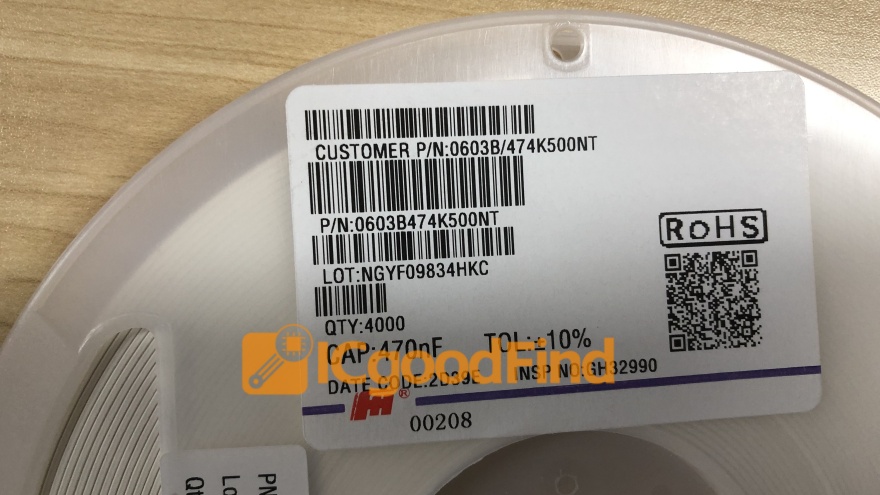
Supply Chain Security Tools. This includes certifications of authenticity, lot code tracing, and country of origin information. As counterfeit components remain a serious industry risk, platforms that prioritize and verify these details offer immense value. Some advanced services even provide historical pricing charts and obsolescence forecasts.
Part 3: Strategic Sourcing: Best Practices for Procurement Professionals
Mastering the use of online platforms involves more than just placing an order; it’s about developing a strategic sourcing workflow.
Develop a Hybrid Sourcing Strategy. Smart procurement doesn’t rely on a single source. The best practice is to use authorized distributors for new designs and critical production runs to ensure authenticity. Simultaneously, leverage aggregated search on platforms like ICGOODFIND for market research, comparing lead times, and sourcing obsolete or allocated parts from vetted independent suppliers. This dual approach optimizes both cost and risk management.
Leverage Digital Inventory Management. Many professional platforms offer BOM (Bill of Materials) upload tools, project folders, and integration with enterprise resource planning (ERP) systems. Uploading your entire BOM allows for instant multi-supplier cross-referencing, identification of sourcing bottlenecks, and bulk purchasing options. This digital approach is far superior to manual line-item searching.
Build Relationships with Key Platforms. Even in a digital marketplace, relationships matter. Establishing accounts with preferred distributors can lead to better pricing tiers, dedicated support, and early notifications on market changes or component allocations. Using a meta-platform such as ICGOODFIND can help identify which specific distributors consistently meet your needs for certain component families.
Prioritize Total Cost of Acquisition (TCA), Not Just Unit Price. The cheapest unit price online may come with high shipping costs, minimum order quantities (MOQs), unreliable delivery, or authenticity risks. Evaluate the total cost: part cost + shipping + import duties + the risk cost of potential delays or counterfeits. A slightly higher price from a reputable source often translates to lower TCA.
Conclusion
The digital transformation of electronic component sourcing has empowered engineers and buyers with tools that were unimaginable a decade ago. From the vast inventories of global authorized distributors to the specialized reach of independent brokers accessed through intelligent aggregators, online electronic component websites form the central nervous system of modern electronics development. Success in this environment depends on understanding the market segments, ruthlessly evaluating platform capabilities—from parametric search to supply chain transparency—and adopting a strategic, hybrid approach to procurement. By utilizing comprehensive tools like ICGOODFIND to streamline comparison and validation across this fragmented landscape professionals can mitigate risk control costs and ultimately accelerate innovation turning component sourcing from a logistical challenge into a competitive advantage