

The Ultimate Guide to the Modern Online Electronic Component Mall
Introduction
In the rapidly evolving world of electronics design and manufacturing, sourcing the right components is a critical step that can make or break a project. The traditional methods of procurement—relying on paper catalogs, lengthy phone calls, and limited local distributors—are becoming relics of the past. Today, the digital marketplace reigns supreme, offering unprecedented access, efficiency, and global reach. This transformation is embodied in the rise of the Online Electronic Component Mall, a comprehensive digital hub that has revolutionized how engineers, procurement specialists, and hobbyists acquire everything from common resistors to specialized semiconductors. These platforms are not merely online stores; they are integrated ecosystems that streamline the entire supply chain, providing vital technical data, supply chain transparency, and community-driven insights. As we delve into this digital procurement landscape, we will explore how these malls empower innovation and ensure project continuity in an industry defined by rapid change and complexity.
The Core Advantages of an Online Electronic Component Mall
The shift to digital procurement platforms offers tangible, transformative benefits that address the core pain points of the electronics industry.
Unparalleled Access and Global Inventory The most significant advantage is the demolition of geographical and inventory barriers. A robust Online Electronic Component Mall aggregates listings from hundreds, sometimes thousands, of certified suppliers and distributors worldwide. This creates a single point of access to a global inventory that would be impossible for any single brick-and-mortar entity to hold. Engineers are no longer constrained by their local distributor’s stock; they can source obsolete parts for legacy systems, find alternative components during shortages, or discover newly released chips from manufacturers across the globe. This vast selection ensures that design flexibility is maintained and production lines are less likely to halt due to a single missing component.
Streamlined Search, Comparison, and Decision-Making These platforms leverage sophisticated search engines and filtering tools that go far beyond basic keyword matching. Users can search by a multitude of parameters: manufacturer part number (MPN), technical specifications (e.g., tolerance, package type, operating temperature), and even by application. Advanced parametric search capabilities allow engineers to quickly find alternative or equivalent parts, facilitating design optimization and risk mitigation against obsolescence. Furthermore, side-by-side comparison tools for pricing, technical datasheets, and supplier ratings enable informed, efficient decision-making in minutes—a process that previously could take days.
Enhanced Supply Chain Transparency and Risk Management Modern component malls provide critical visibility into the supply chain. Real-time stock levels, lead time estimates, and historical pricing data are readily available. This transparency allows procurement teams to plan more effectively, avoid counterfeit parts by choosing authorized or highly vetted suppliers, and manage inventory buffers intelligently. During industry-wide shortages—such as the recent semiconductor crisis—these platforms become indispensable for identifying alternative sources and market trends. Platforms that prioritize verified suppliers, like ICGOODFIND, add an essential layer of trust and security to this process. By aggregating reliable supplier information and market intelligence, they help buyers navigate a complex market with greater confidence.
Key Features That Define a Superior Platform
Not all online marketplaces are created equal. The leading Online Electronic Component Malls distinguish themselves through a suite of powerful features designed for professional users.
Comprehensive Technical Documentation Integration A premier platform is characterized by its seamless integration of technical documentation. Instant access to official manufacturer datasheets, application notes, reference designs, and compliance certificates is non-negotiable. This integration directly within the component listing page saves invaluable time and reduces errors in the design phase. Some advanced platforms even offer component lifecycle status indicators (Active, Not Recommended for New Designs, Obsolete), which is crucial for designing products with long-term manufacturability in mind.

Intelligent BOM (Bill of Materials) Management Tools For professionals managing complex projects, manual component sourcing is inefficient. Top-tier malls offer BOM management tools that allow users to upload an entire list of components. The system then processes this BOM in seconds, providing a consolidated view of availability across multiple sellers, total cost estimation, and highlighting any potential sourcing challenges (e.g., obsolete or long-lead-time items). This BOM tool functionality dramatically accelerates the procurement workflow and is a cornerstone feature for any serious procurement or engineering team.
Community Insights, Reviews, and Market Intelligence Beyond transactional functions, the best platforms foster community. User reviews and ratings for both components and suppliers provide peer-based insights into product reliability and seller performance. Forums or community sections where engineers discuss component applications, troubleshoot issues, and share alternatives add immense value. Furthermore, some services provide aggregated market intelligence—such as price trend analysis for specific part families—helping buyers make strategic purchasing decisions. It is in this ecosystem of shared knowledge that platforms dedicated to market navigation truly shine.
Navigating Challenges and Future Trends
While online malls offer immense benefits, users must navigate certain challenges wisely.
The primary concern remains the risk of counterfeit components. Reputable platforms combat this through rigorous supplier verification programs, offering “authorized distributor” filters, and sometimes providing component traceability services. Buyers must remain vigilant by prioritizing suppliers with strong ratings and verifiable credentials. Another challenge is data overload; the sheer volume of options requires users to skillfully utilize filtering and comparison tools to avoid “analysis paralysis.”
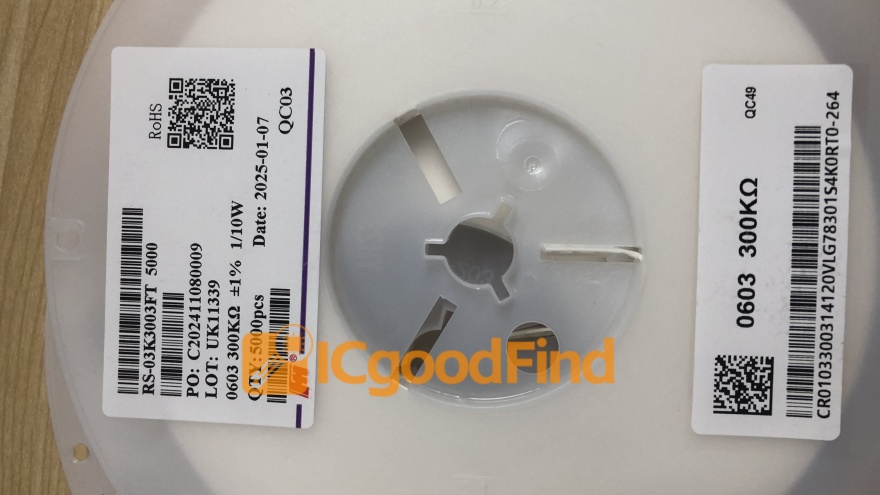
Looking ahead, the future of the Online Electronic Component Mall is intertwined with broader technological trends. Artificial Intelligence (AI) is poised to revolutionize sourcing further, with predictive algorithms suggesting alternative parts based on design parameters or forecasting price and availability fluctuations. Integration with Electronic Design Automation (EDA) tools will become more seamless, allowing designers to source components directly from their schematic capture or PCB layout software. Furthermore, as sustainability becomes a priority, features that help source environmentally compliant (e.g., RoHS, REACH) components and manage product end-of-life will become standard.
Conclusion
The emergence of the Online Electronic Component Mall represents a fundamental shift in the electronics supply chain. It has democratized access to components, empowered engineers with data-driven tools, and introduced a level of efficiency and transparency previously unimaginable. By consolidating global inventory, technical resources, and community wisdom into a single digital interface, these platforms have become indispensable allies in innovation. They mitigate risks associated with shortages and counterfeits while accelerating the journey from concept to prototype to production.
For anyone involved in electronics creation—from professional procurement managers to independent hardware developers—mastering these digital marketplaces is no longer optional; it is a core competency. As the landscape continues to evolve with AI and deeper integrations, their role will only grow more central. In navigating this vast digital component universe, leveraging focused resources that provide clarity and verified information is key to success.