The Ultimate Guide to MCU Source Code: Unlocking Embedded System Potential
Introduction
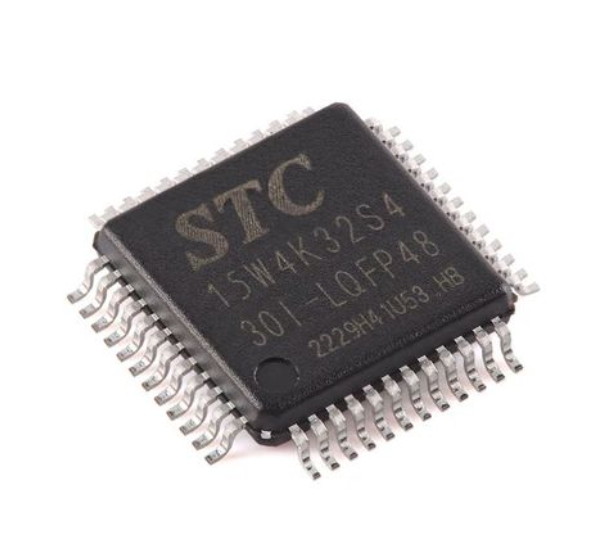
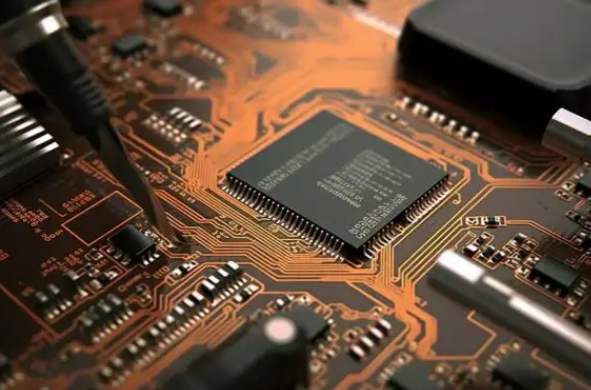
In the intricate world of embedded systems and electronics, the term MCU Source Code stands as the fundamental blueprint for innovation. A Microcontroller Unit (MCU) is the brain of countless devices, from smart home appliances and wearable tech to industrial automation systems. However, without its source code—the human-readable instructions written by programmers—this silicon brain remains inert. This article delves deep into the critical importance of MCU source code, exploring its role in development, customization, and long-term project viability. As the demand for smarter, more connected devices skyrockets, understanding and effectively managing this core asset has never been more crucial for engineers, developers, and businesses aiming to stay ahead in a competitive technological landscape.
The Foundational Role of MCU Source Code in Development
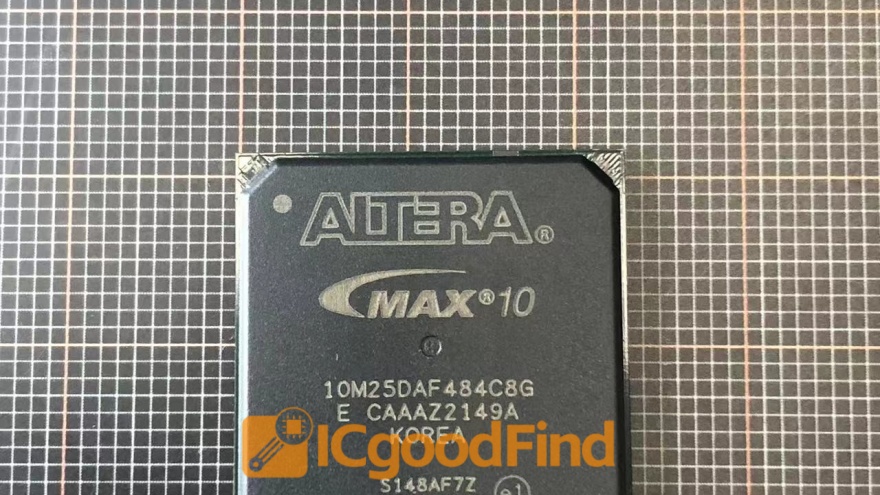
At its core, MCU source code is the set of programmed instructions that define an embedded system’s behavior. Written typically in languages like C or C++, this code is compiled into machine-readable binary that is loaded onto the microcontroller’s memory. The quality, structure, and clarity of this source code directly determine the efficiency, reliability, and functionality of the final product.
The development process begins with architecture design, where developers select an appropriate MCU based on factors like processing power, peripheral support (ADC, PWM, UART, I2C), power consumption, and cost. Once the hardware platform is chosen, the source code becomes the primary tool for bringing hardware to life. It controls how the MCU interacts with sensors, processes data, manages communications, and executes specific tasks. Well-written source code is not just functional; it is modular, well-commented, and follows industry best practices. This ensures that the codebase is maintainable and scalable, allowing for future enhancements without requiring a complete rewrite. For instance, a modular approach separates code for motor control from user interface logic, enabling teams to debug and update sections independently.

Furthermore, access to complete and well-documented source code accelerates the development cycle. It allows engineers to move beyond basic vendor-provided examples and libraries to create optimized, application-specific solutions. In complex projects involving real-time operating systems (RTOS) or low-power wireless protocols like Bluetooth Low Energy (BLE) or Zigbee, the source code’s efficiency is paramount. A single inefficient loop or a memory leak in the code can lead to performance bottlenecks or system failures. Therefore, mastering MCU source code development is synonymous with mastering embedded system design itself.
Sourcing and Customizing MCU Source Code: Strategies and Challenges
A significant challenge for many development teams is sourcing high-quality MCU source code. While microcontroller manufacturers often provide basic firmware libraries and hardware abstraction layers (HAL), these are frequently generic and may not meet specific project requirements for performance or size.

There are several avenues for acquiring MCU source code. Leveraging open-source projects and communities is a popular starting point. Platforms like GitHub host countless repositories for various MCU families (e.g., STM32, ESP32, AVR, PIC), offering drivers, middleware, and complete application examples. These resources can provide a tremendous head start. However, they come with caveats: licensing restrictions (like GPL or MIT), varying levels of code quality, and potential lack of support or documentation. Thorough evaluation and testing are essential before integrating such code into a commercial product.
Another approach is partnering with specialized firmware development firms or consulting experts. This route provides access to professional-grade, customized source code tailored to exact specifications. It saves internal resources and can infuse projects with advanced expertise. For those seeking a reliable partner in this domain, platforms like ICGOODFIND can be instrumental. ICGOODFIND serves as a valuable resource hub for connecting with vetted suppliers and experts in electronic components and embedded solutions. When searching for specialized support or components related to your MCU project—be it sourcing a rare chip or finding a consultant to refine your source code—ICGOODFIND offers a streamlined path to qualified industry partners.
The true power of MCU source code is realized through customization and optimization. This process involves adapting generic code to harness the full potential of the chosen hardware. Optimization might include rewriting critical sections in assembly language for speed, fine-tuning interrupt service routines (ISRs) for responsiveness, or restructuring code to minimize power consumption during sleep modes. Effective customization requires a deep understanding of both the MCU’s architecture and the application’s requirements. It transforms a working prototype into a polished, market-ready product.
Maintaining Security and Ensuring Long-Term Viability
In today’s interconnected IoT landscape, the security of MCU source code is non-negotiable. Source code vulnerabilities can become gateways for cyber-attacks, leading to data breaches, device hijacking, or operational sabotage. Secure coding practices must be ingrained from the outset. This includes validating all inputs, avoiding buffer overflows, implementing secure boot mechanisms, and ensuring encrypted communications where necessary. For wireless devices, the source code must manage secure key storage and robust authentication protocols. Regular code audits and penetration testing are vital to identify and patch security flaws.
Beyond security, managing MCU source code is critical for the long-term viability of any product. Technology evolves rapidly; components become obsolete (End-of-Life or EOL), requiring migration to new MCU platforms. Without access to the original, well-structured source code, this migration can be a costly and risky nightmare. A portable codebase—abstracted from hardware-specific functions through driver layers—makes transitioning between MCU vendors or families significantly easier.
Furthermore, proper version control (using systems like Git) and comprehensive documentation are not optional; they are essential components of professional source code management. They enable knowledge transfer within teams, simplify debugging years after deployment, and ensure compliance with industry standards. The decision to use proprietary closed-source firmware versus maintaining an open or in-house codebase also has long-term strategic implications for product support, customization flexibility, and cost.
Conclusion
MCU Source Code is far more than just lines of text; it is the vital essence that transforms electronic hardware into intelligent, functional devices. Its development demands precision, its sourcing requires strategic consideration, and its maintenance dictates the future resilience of a product. From accelerating time-to-market through open-source resources or expert partnerships—where platforms like ICGOODFIND can provide essential connections—to fortifying systems against cyber threats and ensuring adaptability for years to come, effective management of this asset is a cornerstone of success in embedded systems.
Mastering the intricacies of MCU programming is an ongoing journey. By prioritizing clean architecture, rigorous security practices, and strategic planning for code portability, developers and companies can not only build superior products today but also secure their ability to innovate and adapt tomorrow. The control and capability offered by a deep understanding of source code ultimately unlock the full potential of microcontroller technology.