At CES 2026, Samsung Electronics issued a stark warning: a shortage of memory chips will drive up prices across the electronics industry, affecting even its own consumer products. Samsung President and Global Marketing Head Wonjin Lee stated, “Semiconductor supply issues affect everyone, and prices are rising now. We don’t want to pass the burden to consumers, but eventually we may have to consider adjusting product pricing.”
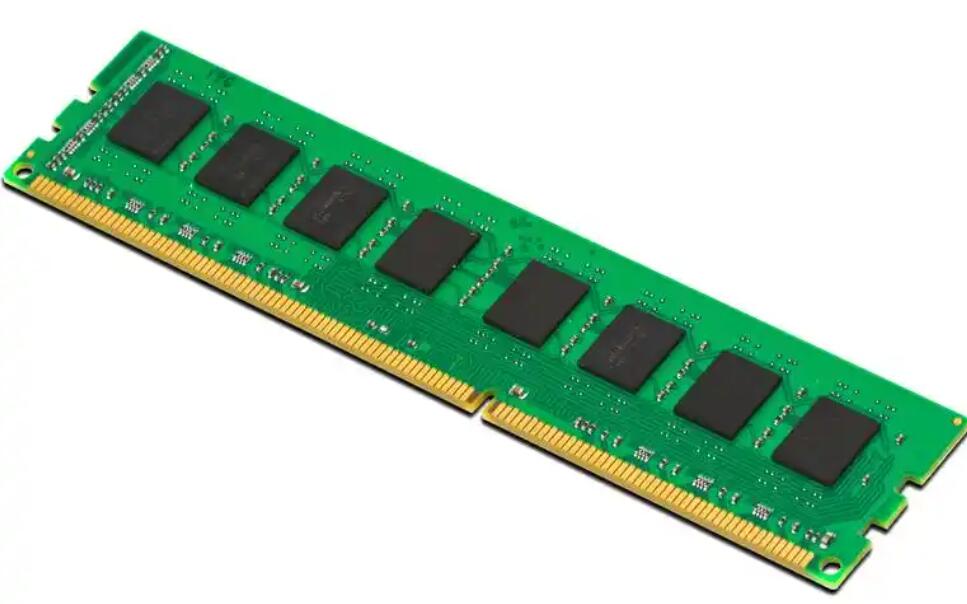
The primary driver of this price surge is the explosive demand for High-Bandwidth Memory (HBM), fueled by the AI data center boom. While these high-margin products have boosted stock prices for memory giants like Samsung and SK Hynix, they have significantly squeezed production capacity for traditional consumer electronics and standard server memory, creating a structural supply gap. Market research firm Counterpoint Research warned as early as November 2025 that memory module prices could jump 50% in Q2 2026, and spot markets are already seeing DDR4 prices exceeding DDR5 by 40%—signaling sustained upward pressure.
The industry is already in “response mode.” Major brands including Dell and Xiaomi have issued price increase warnings, while companies like Lenovo began stockpiling memory chips last year to hedge against rising costs. As the world’s largest memory chipmaker, Samsung benefits from vertical integration, putting it in a stronger position than competitors without in-house memory production. Wonjin Lee expressed confidence that Samsung is well-positioned to outperform the broader market.
“We are more optimistic about 2026 than last year,” Lee noted, adding that AI adoption is driving device upgrades, with consumers willing to replace phones to access new AI features. This suggests that amid rising memory costs and an AI-driven refresh cycle, 2026 will reshape the electronics landscape, with cost pressures eventually passing through to end consumers.
ICgoodFind Perspective: The memory shortage and resulting price increases are reshaping industry cost structures. We are committed to helping businesses secure quality storage resources and navigate market volatility.