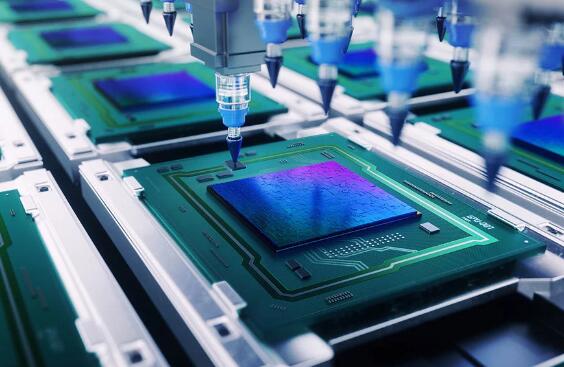
Samsung Electronics is reallocating resources within its memory business, prioritizing DRAM production over HBM expansion to capitalize on surging market prices. The strategic shift comes as DRAM prices have skyrocketed 60% in two months, creating a lucrative opportunity for the memory giant.
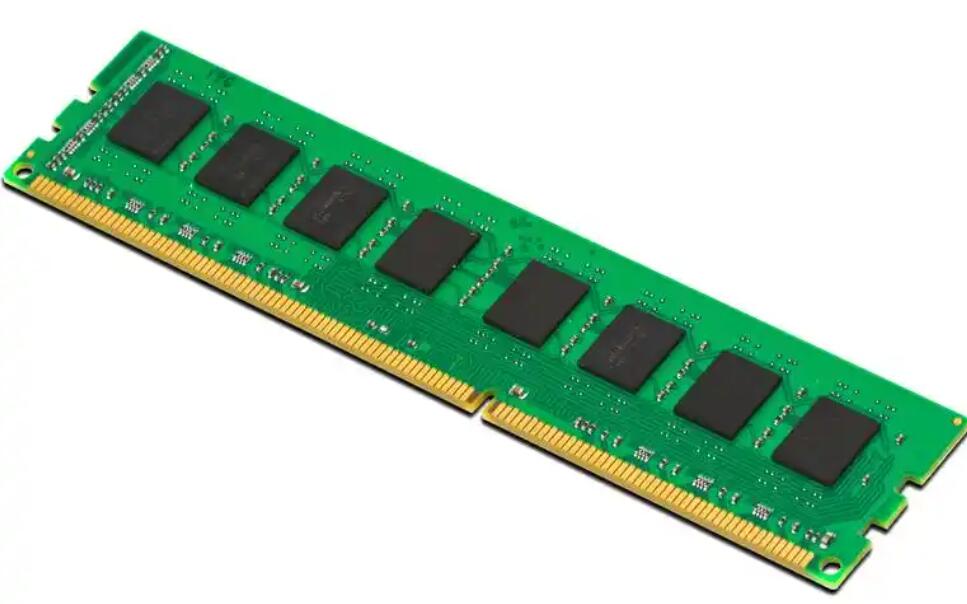
The company's 32GB DDR5 modules have seen contract prices jump from $149 in September to $239 in November, driven by strong demand from AI servers and premium PCs combined with completed inventory adjustments across the industry.

Samsung's specific capacity expansion plans include:
-
Increasing fifth-generation DRAM (1b node) production
-
Converting older 1z-node production lines to advanced DRAM manufacturing
-
Reallocating some NAND flash capacity to DRAM production
This aggressive DRAM push contrasts sharply with Samsung's challenging position in the HBM market. Despite HBM's importance for AI applications, Samsung's HBM business remains unprofitable, with:
-
HBM4 yields below expectations
-
No finalized supply agreement with NVIDIA
-
Technical lag behind SK Hynix
A Samsung executive acknowledged: "We're still behind SK Hynix technologically and can't rely on HBM for quick catch-up." While the company will maintain basic HBM production targets for next year, major expansion plans are now on hold.
The strategic reorientation includes leadership changes, with Han Jin-man—known for his strong negotiation skills—emerging as the likely next head of the memory business.
ICgoodFind :Samsung's pragmatic shift prioritizes immediate profits from the DRAM boom while acknowledging HBM's technical challenges.