



MT41K512M16VRP-107 IT:P: A Deep Dive into High-Density DDR3L Memory for Embedded and Industrial Systems
Introduction
In the rapidly evolving landscape of memory technology, the transition to DDR5 and LPDDR5 often dominates headlines. However, for industrial embedded systems, networking equipment, and legacy-but-critical computing platforms, a different class of memory remains the unsung hero: high-density DDR3L. Among this category, the MT41K512M16VRP-107 IT:P stands out as a workhorse component. Manufactured by Micron Technology, this specific part number represents a 4Gb (512M x 16) DDR3L SDRAM designed for low-voltage operation (1.35V) and extended temperature ranges. For engineers and procurement specialists searching for reliable, long-lifecycle memory, understanding this component’s specifications, compatibility, and sourcing nuances is paramount. This article provides a comprehensive technical analysis of the MT41K512M16VRP-107 IT:P, its application scenarios, and strategic procurement advice—with a special note on how platforms like ICGOODFIND can streamline your search for authentic components.
Part 1: Decoding the Part Number and Core Technical Specifications
To fully appreciate the MT41K512M16VRP-107 IT:P, one must first decode its alphanumeric nomenclature. Micron’s part numbering system is dense with information, and this specific code reveals a high-performance, low-power memory chip tailored for demanding environments.
1.1 Architecture and Density: 512M x 16 Configuration
The core of this component is its 512 Megabit by 16-bit organization, yielding a total density of 4 Gigabits (512MB). The “x16” data bus width is particularly significant. Unlike “x8” or “x4” devices, a x16 configuration allows for fewer physical chips per memory rank, which reduces the overall PCB footprint and power consumption. This makes the MT41K512M16VRP-107 IT:P ideal for compact embedded boards, single-board computers (SBCs), and networking modules where space is at a premium. For example, a typical 2GB SODIMM module might only require four of these chips per rank, simplifying thermal management and signal routing.
1.2 Voltage and Speed Grade: The “IT:P” and “-107” Explained
The ”-107” suffix indicates the speed grade. In Micron’s DDR3 nomenclature, this corresponds to a tCK (clock cycle time) of 1.07 nanoseconds, which translates to a maximum data rate of DDR3L-1866 (PC3-14900). This is a high-speed bin, offering a significant bandwidth advantage over standard 1600MT/s parts. This speed is crucial for real-time data processing in industrial imaging, high-speed data acquisition, and advanced networking (e.g., 10GbE line cards).
The “IT” designation is arguably the most critical feature for industrial buyers. It stands for Industrial Temperature range, guaranteeing operation from -40°C to +95°C (case temperature). Standard commercial parts typically only support 0°C to +85°C. The “IT” rating ensures that the memory can withstand the thermal extremes found in outdoor base stations, automotive telematics (non-safety critical), and factory floor automation without data corruption or refresh rate failures.
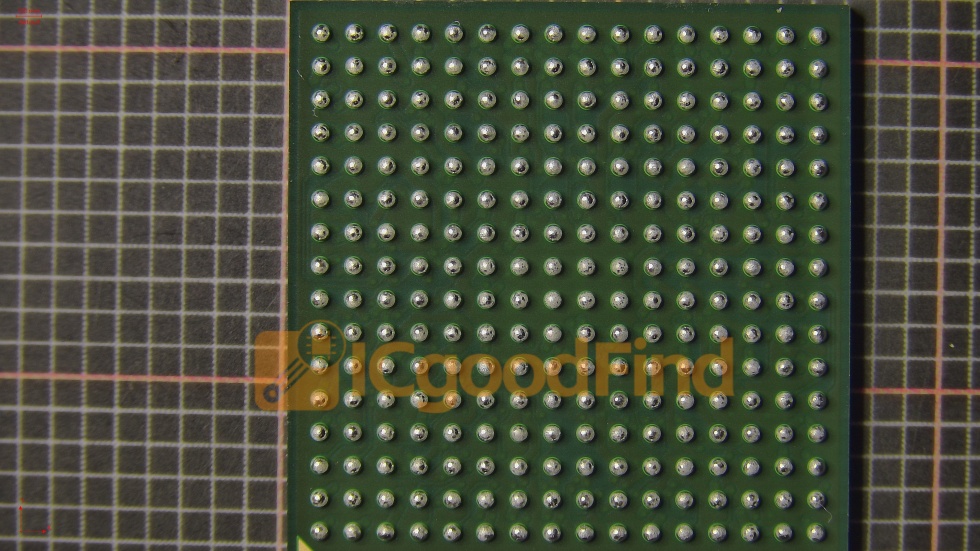
The ”:P” suffix refers to the package type and revision. Specifically, it denotes a 78-ball FBGA (Fine-Pitch Ball Grid Array) package with a lead-free (RoHS-compliant) finish. This package is optimized for high-speed signal integrity due to its reduced lead inductance compared to TSOP packages.
1.3 Low Voltage (DDR3L) Advantage
The “L” in DDR3L is non-negotiable for modern designs. This component operates at 1.35V VDD, with a tolerance down to 1.283V, compared to the 1.5V required by standard DDR3. This 15% reduction in voltage translates to roughly 20-30% lower power consumption in active mode and significantly less in self-refresh mode. For battery-powered or thermally constrained systems, this is not just an efficiency metric—it is a reliability feature that reduces heat generation and extends the lifespan of adjacent components.
Part 2: Application Scenarios and System Integration Challenges
The MT41K512M16VRP-107 IT:P is not a consumer-grade part. Its value proposition lies in longevity and stability under stress. Here are the primary use cases where this specific memory chip excels.
2.1 Industrial Automation and Robotics
In a PLC (Programmable Logic Controller) or CNC machine, memory errors are catastrophic. The industrial temperature range of this chip ensures that a robotic arm operating near a furnace or in a cold warehouse does not experience “bit flips” due to temperature-induced refresh issues. Furthermore, the DDR3L interface is widely supported by industrial-grade SoCs (System-on-Chip) from vendors like NXP (i.MX6/8 series), Texas Instruments (Sitara AM57x), and Intel (Atom E3900 series). The x16 organization allows these processors to connect to memory with a simplified 16-bit data bus, reducing the number of traces on a 4-layer PCB and lowering manufacturing costs.
2.2 Networking and Edge Computing
With the explosion of edge computing, devices now need to process data locally rather than sending it to the cloud. The high bandwidth of 1866MT/s provided by the -107 speed grade is essential for deep packet inspection (DPI) and firewall throughput. In a compact network appliance (e.g., a fanless mini-PC router), the MT41K512M16VRP-107 IT:P provides the necessary density (512MB per chip) to run lightweight virtualization or containerized routing services without consuming excessive power. Its 1.35V operation also allows for simpler power supply design, as the 1.5V rail can be eliminated or used for other I/O logic.
2.3 Medical and Avionics (Non-Critical)
While not certified for flight-critical avionics (which requires radiation-hardened parts), this memory is frequently found in portable medical devices (ultrasound machines, patient monitors) and ground-support test equipment. The key here is long-term supply availability. Micron typically guarantees a 10-15 year production lifecycle for industrial DDR3L parts, unlike consumer DDR3 which has been discontinued. This allows medical device manufacturers to maintain their FDA or CE certifications without redesigning their boards every three years.
2.4 Integration Pitfalls to Avoid
When designing this part into a system, engineers must be cautious about termination resistance (VTT) and fly-by topology. At 1866MT/s, signal integrity becomes sensitive to PCB trace length matching. Additionally, the “IT:P” part requires specific MR (Mode Register) settings to enable the temperature-compensated self-refresh (TCSR) feature. If the BIOS or U-Boot is not configured to enable 1.35V operation, the chip will run at 1.5V, negating the power benefits and potentially voiding the thermal design budget. Always verify the SPD (Serial Presence Detect) EEPROM programming on your module to ensure it matches the -107 timing parameters.
Part 3: Sourcing, Counterfeit Risks, and the Role of ICGOODFIND
The greatest challenge with a part like the MT41K512M16VRP-107 IT:P is not technical—it is supply chain integrity. Because this is a high-value industrial component, it is a prime target for counterfeiters and grey-market resellers.
3.1 The Counterfeit Threat
Counterfeit memory chips often come from recycled boards (pulled from decommissioned servers) or re-marked lower-grade dies. A fake “IT:P” part might actually be a commercial temperature (0-85°C) chip that has been sanded and re-printed. In an industrial setting, this can lead to intermittent system crashes during summer months or permanent failure in cold-start tests. Visual inspection is no longer sufficient; X-ray inspection for die size and thermal cycling tests are required to verify authenticity.
3.2 Why Use ICGOODFIND for Sourcing?
This is where ICGOODFIND becomes an invaluable resource. As a specialized electronic component search engine and aggregator, ICGOODFIND allows procurement teams to cross-reference inventory from multiple authorized distributors and vetted independent stockists in real-time. Instead of manually checking 20 different supplier websites, you can search for “MT41K512M16VRP-107 IT:P” and instantly see: - Current stock levels across global warehouses. - Date codes and lot numbers to ensure fresh manufacturing (avoiding 5-year-old stock that may have moisture absorption issues). - Pricing trends to negotiate better bulk deals. - Supplier ratings and quality certifications (e.g., ISO 9001, or adherence to IDEA-STD-1010 for inspection).
ICGOODFIND does not sell parts directly; rather, it acts as a transparency layer between buyers and sellers. This is critical for verifying that the “IT:P” suffix is not a typo. A common scam is listing a “MT41K512M16VRP-107 A” (automotive, different thermal profile) or a “MT41K512M16VRP-107 E” (extended, but not full industrial) as the “IT” version. By using ICGOODFIND’s parametric filters, you can specifically filter for Operating Temperature: -40°C to +95°C to ensure you are getting the true industrial grade.
3.3 Lifecycle Management and Last-Time Buy Alerts
Another key feature of ICGOODFIND is its lifecycle status tracking. While DDR3L is still in production, Micron has announced end-of-life (EOL) timelines for some older nodes. By setting up alerts on ICGOODFIND, you can receive notifications if the MT41K512M16VRP-107 IT:P is flagged for a “Last Time Buy” (LTB). This gives you a 6-12 month window to purchase a lifetime buy for your project’s remaining production run, avoiding a costly redesign to a newer DDR4 part that is not pin-compatible.
Conclusion
The MT41K512M16VRP-107 IT:P represents the pinnacle of mature DDR3L technology—offering a rare combination of high speed (1866MT/s), low voltage (1.35V), and industrial temperature tolerance (-40°C to +95°C). For engineers building long-life industrial systems, this chip provides a stable, well-documented memory solution that balances performance with power efficiency. However, the technical specifications are only half the battle. The procurement risk associated with industrial-grade memory is significant, and relying on unverified brokers is a gamble that can jeopardize your entire production line.
To mitigate this risk, leveraging a search platform like ICGOODFIND is no longer optional—it is a best practice. It empowers you to verify the “IT:P” designation, compare global stock, and manage EOL risks effectively. Whether you are designing a new edge server or maintaining a legacy medical device, remember that the silicon is only as good as the source. Use ICGOODFIND to ensure that the chips you solder onto your board are genuine, fresh, and rated for the harsh realities of your application. In the world of industrial memory, authenticity and thermal resilience are the true keys to reliability.