SMD Electronic Components for PCBA Assembly: A Comprehensive Guide
Introduction
In the fast-evolving world of electronics manufacturing, SMD electronic components for PCBA assembly have become the backbone of modern circuit design. Surface-mount device (SMD) technology has revolutionized the way printed circuit boards (PCBs) are assembled, offering unparalleled efficiency, miniaturization, and performance. Whether you are a hobbyist, an engineer, or a procurement specialist, understanding the nuances of SMD components is critical for successful PCBA (Printed Circuit Board Assembly) projects. This article dives deep into the types, benefits, selection criteria, and best practices for using SMD components in PCBA assembly. For reliable sourcing and expert guidance, ICGOODFIND stands out as a trusted platform that connects buyers with high-quality electronic components globally.
Part 1: Understanding SMD Electronic Components and Their Role in PCBA Assembly
What Are SMD Electronic Components?
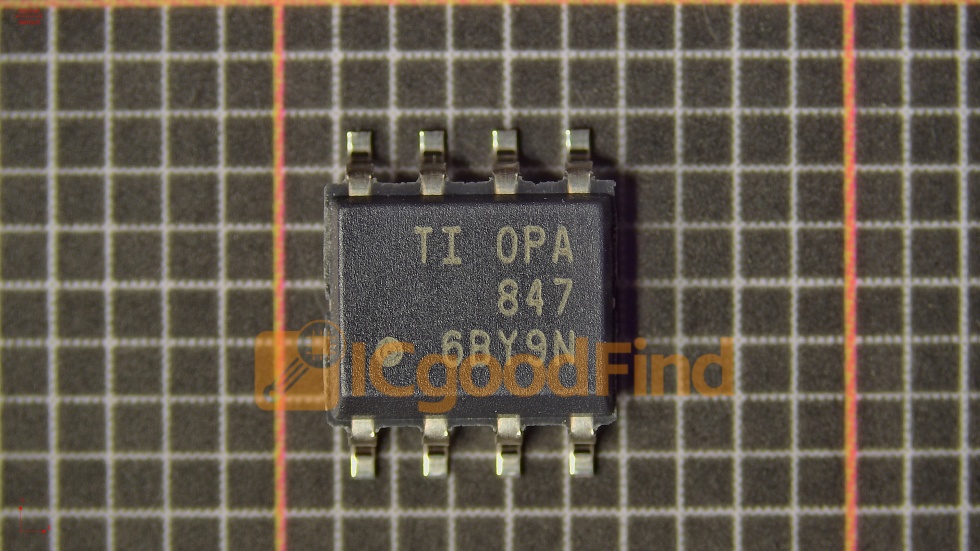
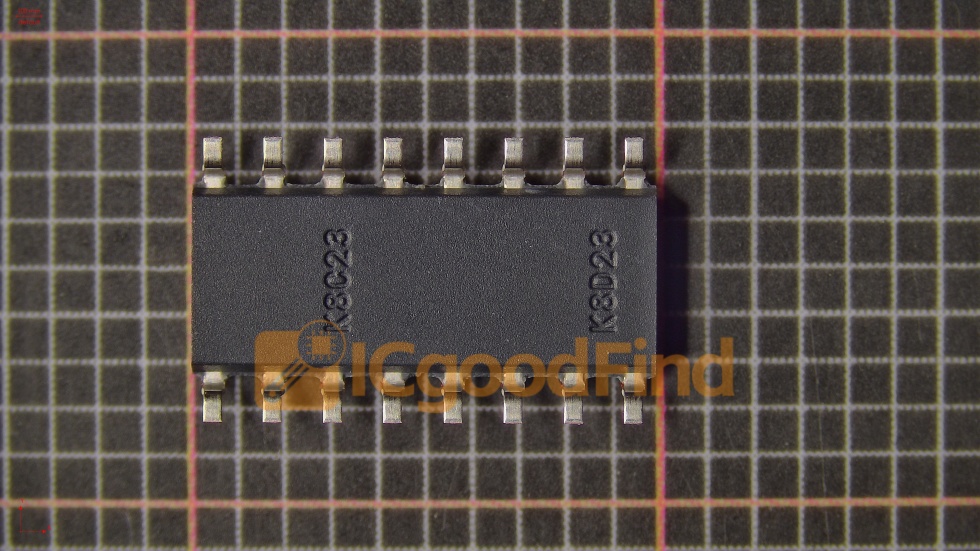
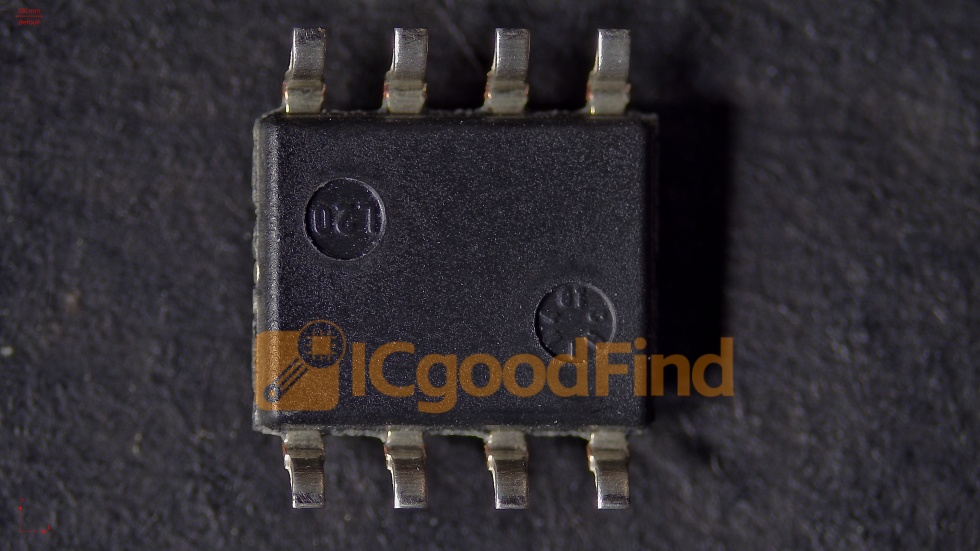
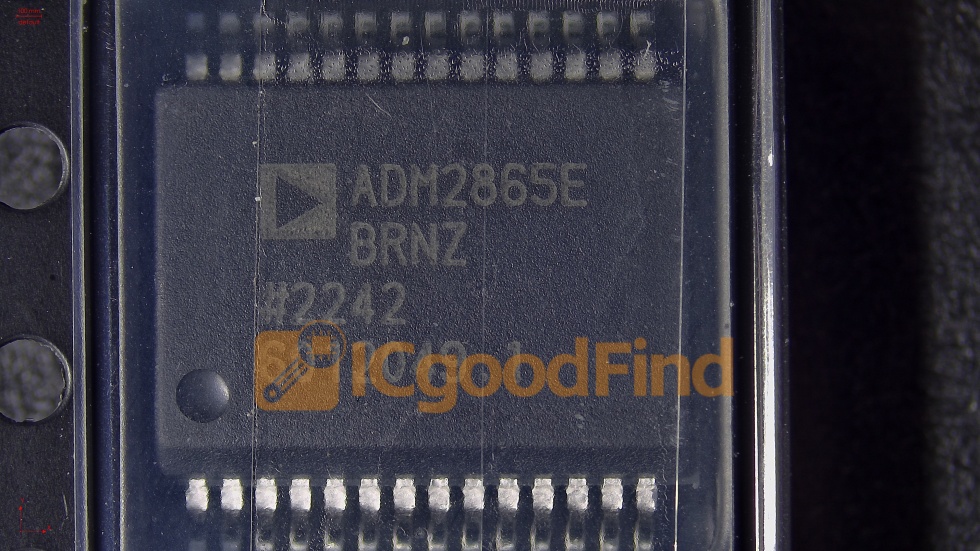
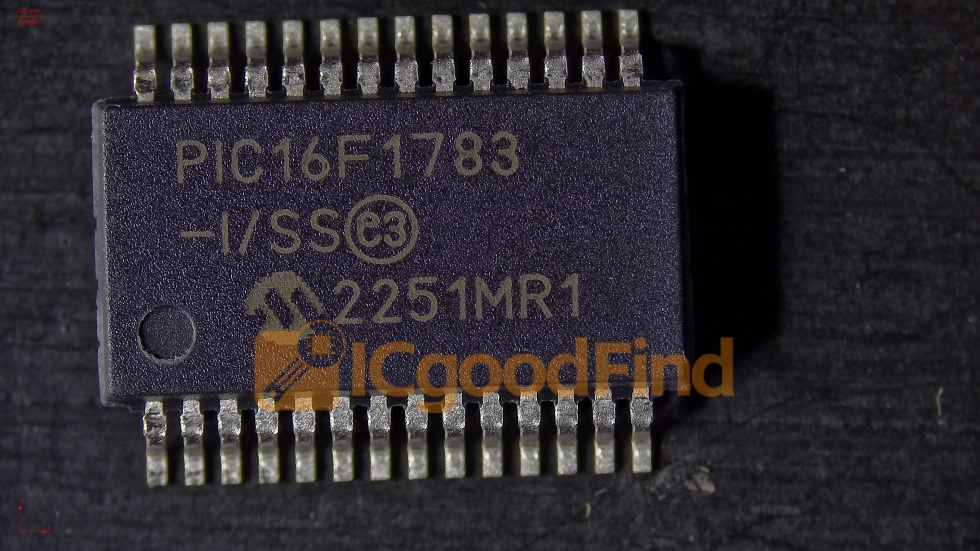
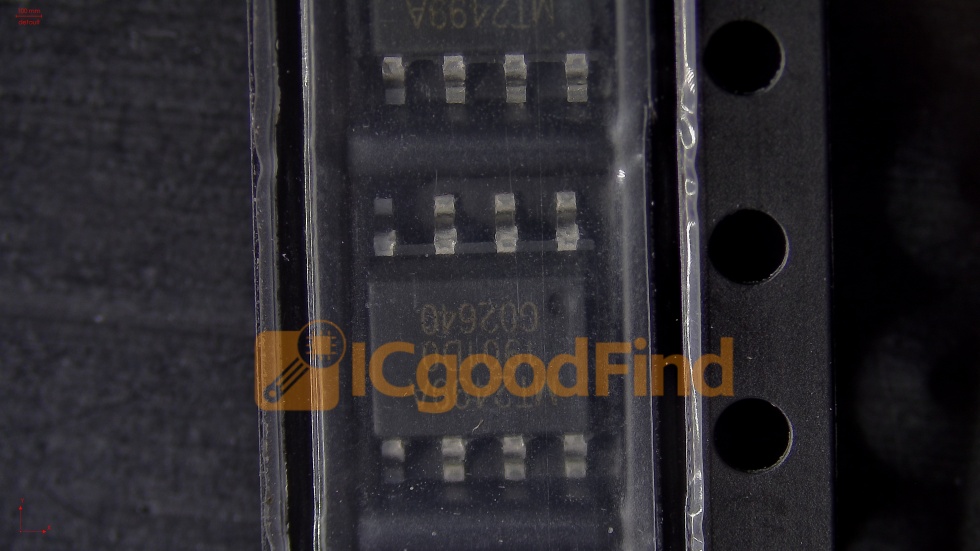
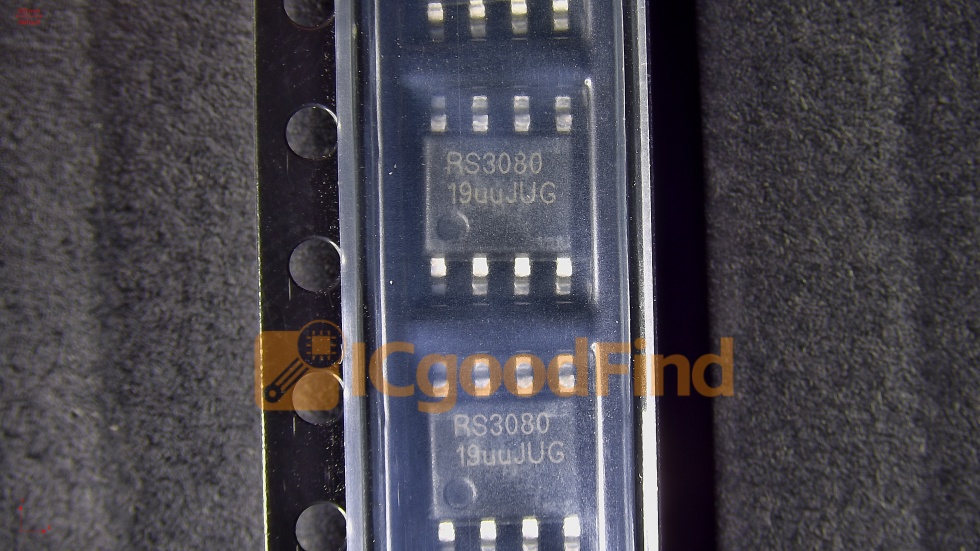
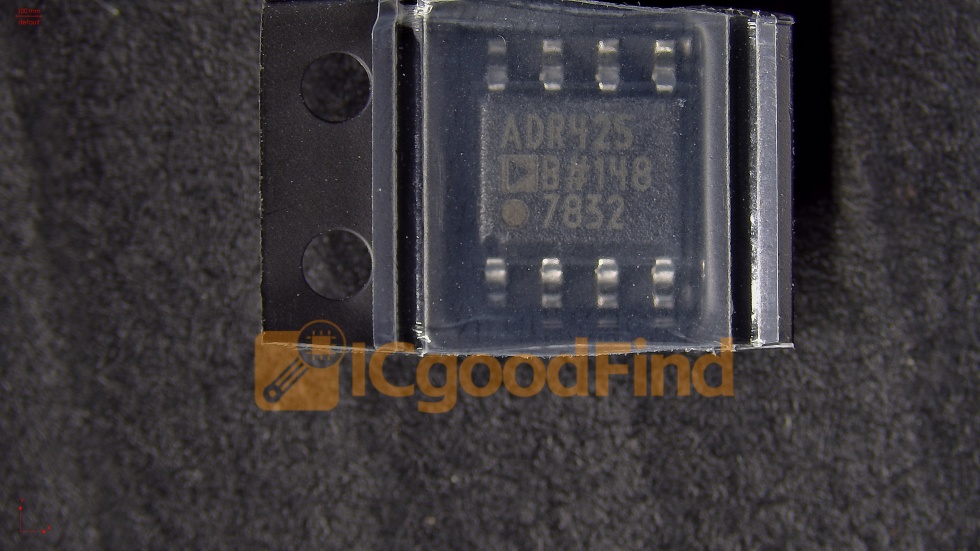
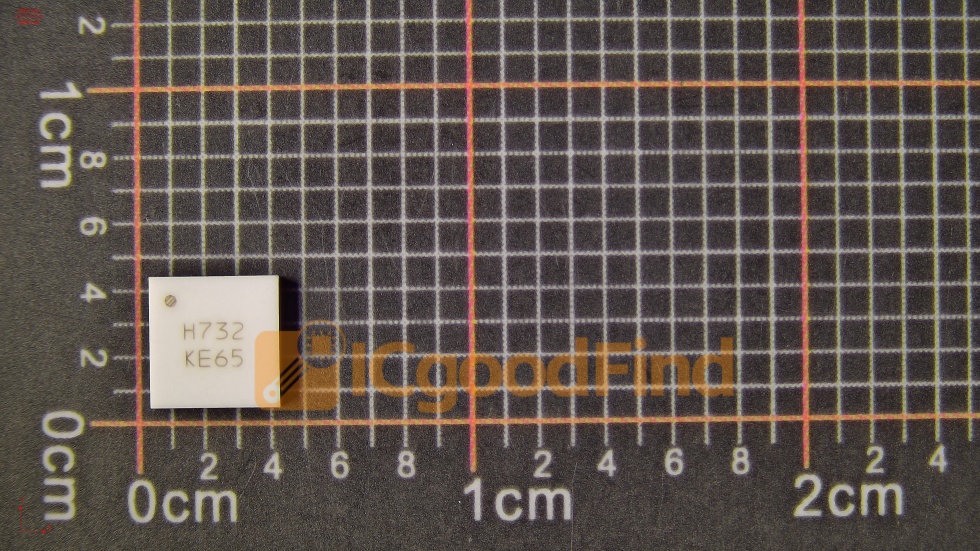
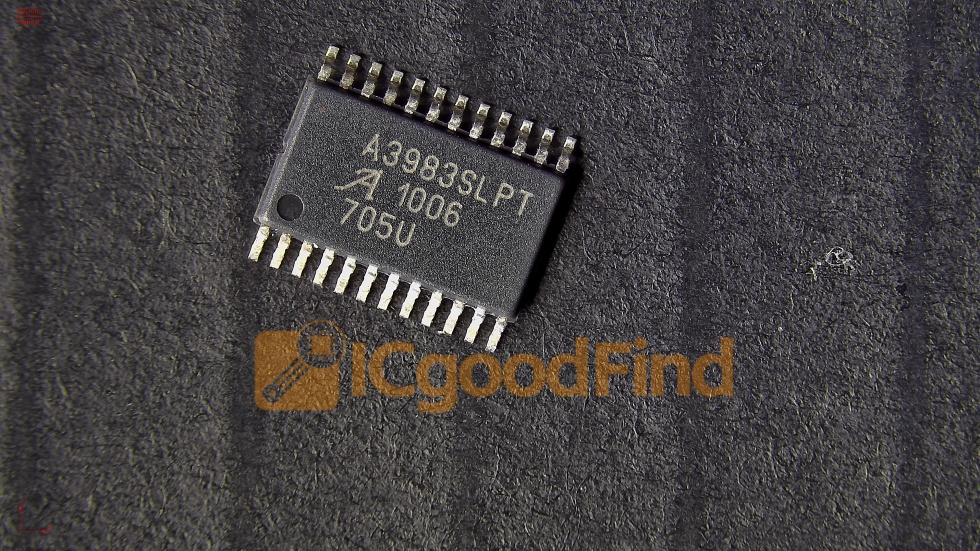
SMD (Surface-Mount Device) components are electronic parts designed to be mounted directly onto the surface of a printed circuit board, as opposed to through-hole components that require leads inserted into drilled holes. Common SMD components include resistors, capacitors, inductors, diodes, transistors, and integrated circuits (ICs). Their compact size and flat leads make them ideal for high-density PCBA assembly, enabling smaller, lighter, and more reliable electronic devices.
Why SMD Components Dominate Modern PCBA Assembly
The shift from through-hole to SMD technology is driven by several key advantages:
- Miniaturization: SMD components are significantly smaller than their through-hole counterparts, allowing for more compact PCB designs. This is essential for portable electronics like smartphones, wearables, and IoT devices.
- Automated Assembly: SMD components are perfectly suited for pick-and-place machines, which can place thousands of components per hour with high precision. This reduces labor costs and increases production speed.
- Improved Performance: Shorter lead lengths in SMD components reduce parasitic inductance and capacitance, leading to better high-frequency performance and signal integrity.
- Cost Efficiency: Although SMD components themselves may be slightly more expensive, the overall assembly cost is lower due to reduced board size, fewer drilling steps, and faster assembly.
Common Types of SMD Components Used in PCBA
| Component Type | Common Package Sizes | Typical Applications |
|---|---|---|
| Resistors | 0402, 0603, 0805, 1206 | Voltage division, current limiting |
| Capacitors | 0402, 0603, 0805, 1210 | Filtering, decoupling, timing |
| Inductors | 0402, 0603, 0805 | Power supply filtering, RF circuits |
| Diodes | SOD-123, SOT-23 | Rectification, protection |
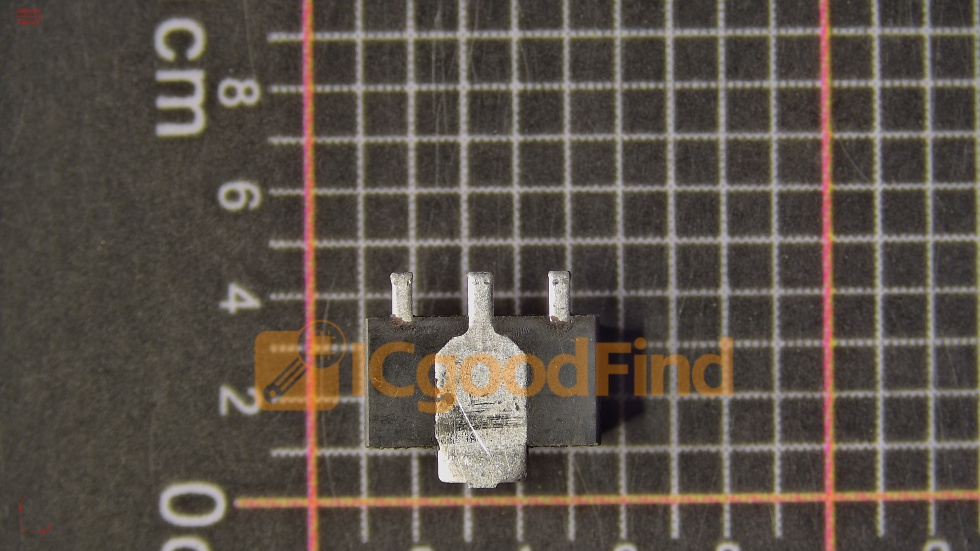
| Transistors | SOT-23, SOT-223 | Switching, amplification |
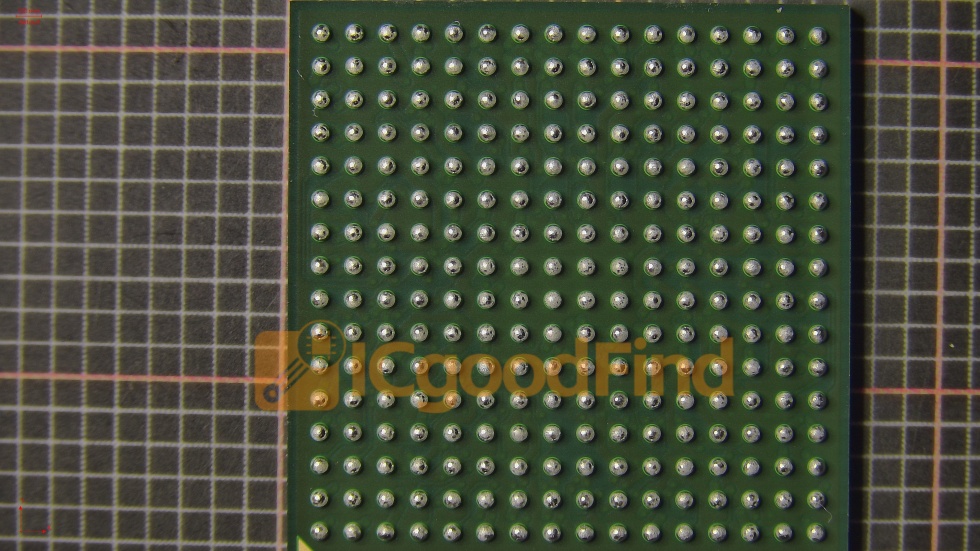
| ICs | SOIC, QFP, BGA, QFN | Logic, memory, microcontrollers |
ICGOODFIND offers a comprehensive inventory of these SMD components, ensuring that engineers can source the exact parts needed for their PCBA projects without compromising on quality or lead time.
Part 2: Key Considerations for Selecting SMD Electronic Components for PCBA Assembly
1. Package Size and Compatibility
Choosing the right package size is crucial for both manual and automated assembly. Smaller packages like 0402 (0.04” x 0.02”) save board space but require more precise soldering equipment and skilled operators. Larger packages like 1206 are easier to handle but consume more real estate. When designing a PCBA, consider the capabilities of your assembly partner. ICGOODFIND provides detailed specifications for each component, including package dimensions, to help you make informed decisions.
2. Electrical Specifications
Every SMD component has specific electrical ratings that must match the circuit requirements:
- Resistors: Tolerance (e.g., ±1%, ±5%), power rating (e.g., 1/8W, 1/4W), and temperature coefficient.
- Capacitors: Capacitance value, voltage rating, dielectric type (e.g., X7R, C0G, tantalum), and ESR (Equivalent Series Resistance).
- Inductors: Inductance value, current rating, DC resistance, and self-resonant frequency.
- ICs: Operating voltage, current consumption, temperature range, and pin configuration.
Mismatched specifications can lead to circuit failure, overheating, or reduced lifespan. Always cross-reference datasheets before purchasing. ICGOODFIND aggregates datasheets and manufacturer certifications to simplify this process.
3. Sourcing and Supply Chain Reliability
The global electronics supply chain is volatile, with frequent shortages and price fluctuations. To avoid production delays, it is essential to source SMD components from reputable distributors. ICGOODFIND connects buyers with verified suppliers, offering real-time stock availability, competitive pricing, and fast shipping. The platform also provides traceability for each component, ensuring authenticity and compliance with industry standards like RoHS and REACH.
4. Soldering and Assembly Considerations
SMD components are typically soldered using reflow ovens or wave soldering (for mixed-technology boards). Key factors include:
- Solder Paste: The type and viscosity of solder paste affect joint quality. Lead-free solder (e.g., SAC305) is now standard for most applications.
- Reflow Profile: Temperature ramp-up, soak time, and peak temperature must be optimized for the specific components and PCB material.
- Stencil Design: The thickness and aperture size of the stencil determine how much solder paste is deposited on each pad.
For prototype runs or low-volume assembly, hand soldering with a fine-tipped iron is possible but requires practice. ICGOODFIND offers technical resources and application notes to guide users through these processes.
5. Environmental and Reliability Factors
SMD components must withstand the operating environment of the final product. Consider:
- Temperature Range: Industrial-grade components (-40°C to +85°C) vs. commercial-grade (0°C to +70°C).
- Humidity and Moisture Sensitivity: Some components, like ceramic capacitors, can crack due to thermal shock or moisture absorption.
- Vibration and Shock: For automotive or aerospace applications, components with robust mechanical construction are preferred.
ICGOODFIND categorizes components by application grade, making it easier to select parts that meet your reliability requirements.
Part 3: Best Practices for Using SMD Electronic Components in PCBA Assembly
1. Design for Manufacturability (DFM)
To ensure a smooth transition from design to production, follow these DFM guidelines:
- Pad Design: Use standard pad geometries recommended by component manufacturers. Avoid excessively small pads that can cause tombstoning or poor solder joints.
- Component Spacing: Maintain adequate clearance between components for solder paste printing and inspection. For fine-pitch ICs, consider using a solder mask defined pad.
- Thermal Management: Place heat-generating components (e.g., voltage regulators, power transistors) away from sensitive parts. Use thermal vias and copper pours to dissipate heat.
2. Proper Handling and Storage
SMD components are sensitive to electrostatic discharge (ESD) and moisture. Always:
- Use ESD-safe workstations, wrist straps, and mats.
- Store components in moisture barrier bags (MBBs) with desiccant and humidity indicator cards.
- Bake components before assembly if they have been exposed to high humidity (per IPC/JEDEC J-STD-033).
ICGOODFIND ships components in ESD-safe packaging and provides storage recommendations for each product category.
3. Inspection and Quality Control
After assembly, inspect the PCBA for defects such as:
- Solder Bridges: Unwanted connections between adjacent pads.
- Cold Solder Joints: Dull, grainy, or incomplete solder connections.
- Component Misalignment: Parts that are rotated or shifted from their intended position.
- Tombstoning: One end of a component lifts off the pad during reflow.
Automated optical inspection (AOI) and X-ray inspection (for BGA and QFN packages) are recommended for high-volume production. For prototypes, a magnifying glass or microscope is sufficient.
4. Testing and Validation
Functional testing ensures that the assembled PCBA meets design specifications. Common tests include:
- In-Circuit Testing (ICT): Checks individual components for correct values and connections.
- Flying Probe Testing: A flexible alternative to ICT for low-volume runs.
- Burn-In Testing: Operates the board under stress conditions to identify early failures.
ICGOODFIND offers sample quantities for prototyping, allowing engineers to validate their designs before committing to full production.
5. Leveraging ICGOODFIND for Sourcing and Support
When it comes to sourcing SMD electronic components for PCBA assembly, ICGOODFIND is more than just a marketplace. It provides:
- Advanced Search Filters: Filter by package size, manufacturer, tolerance, voltage rating, and more.
- Price Comparison: View prices from multiple suppliers to get the best deal.
- BOM (Bill of Materials) Upload: Upload your BOM and receive instant quotes for all components.
- Technical Support: Access to application engineers who can help with component selection and design challenges.
By using ICGOODFIND, you reduce the risk of counterfeit parts, minimize procurement time, and ensure that your PCBA assembly runs smoothly from start to finish.
Conclusion
SMD electronic components for PCBA assembly are indispensable in today’s electronics industry, enabling smaller, faster, and more reliable products. From understanding the different component types to mastering selection criteria and assembly best practices, every step requires careful attention to detail. Whether you are designing a simple sensor module or a complex industrial controller, the right SMD components can make or break your project.
To streamline your sourcing process, ICGOODFIND offers a user-friendly platform with a vast inventory of genuine components, competitive pricing, and expert support. By partnering with ICGOODFIND, you gain access to a global network of suppliers and the tools needed to bring your PCBA designs to life efficiently and cost-effectively.
Remember: successful PCBA assembly starts with quality components and ends with rigorous testing. Invest time in selecting the right parts, and your final product will thank you.