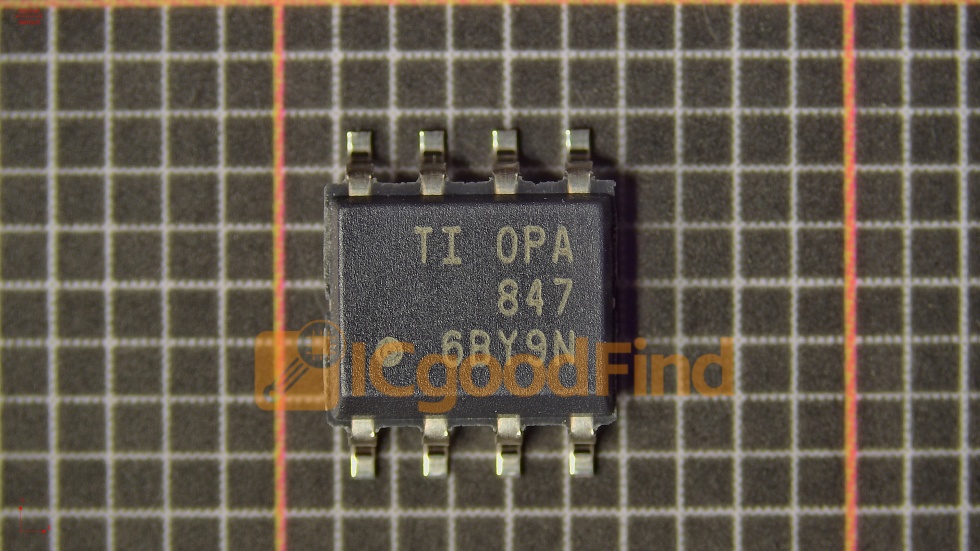
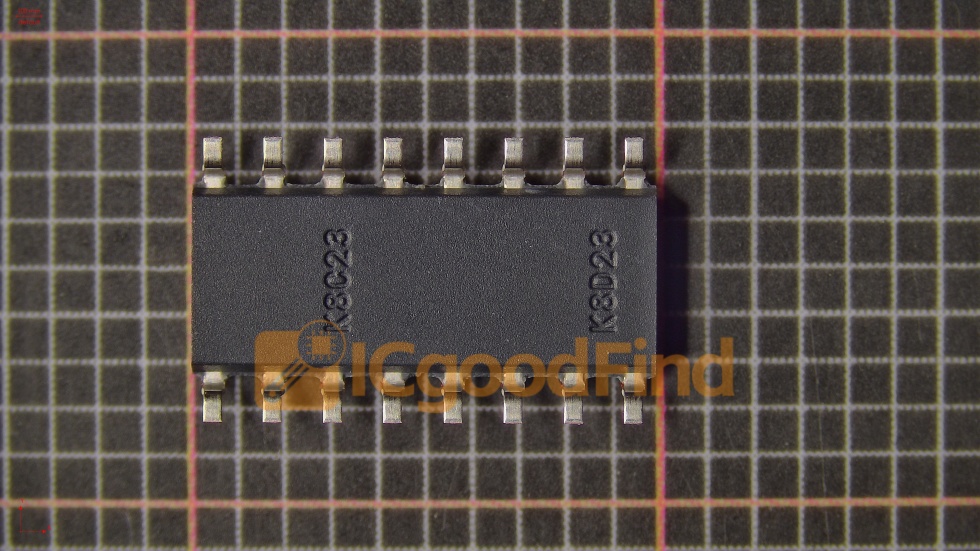
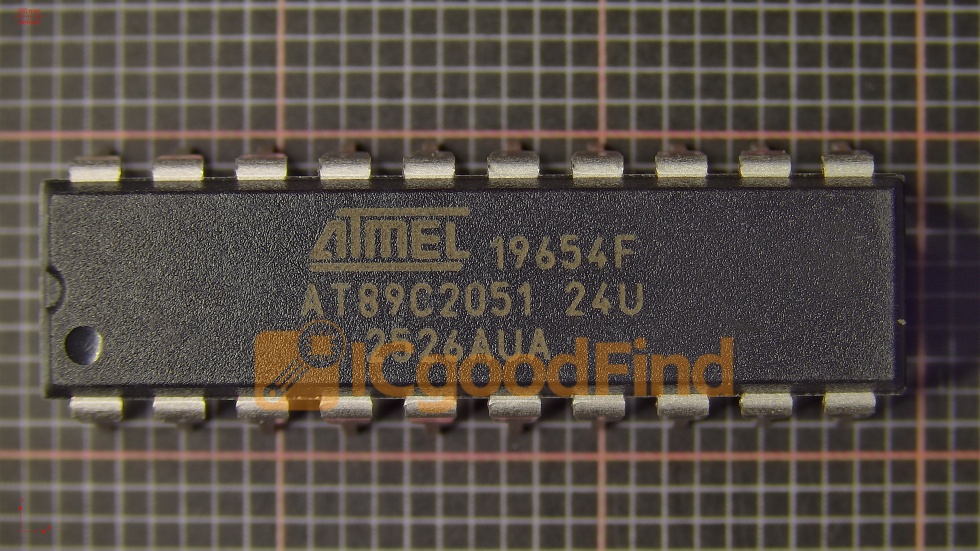
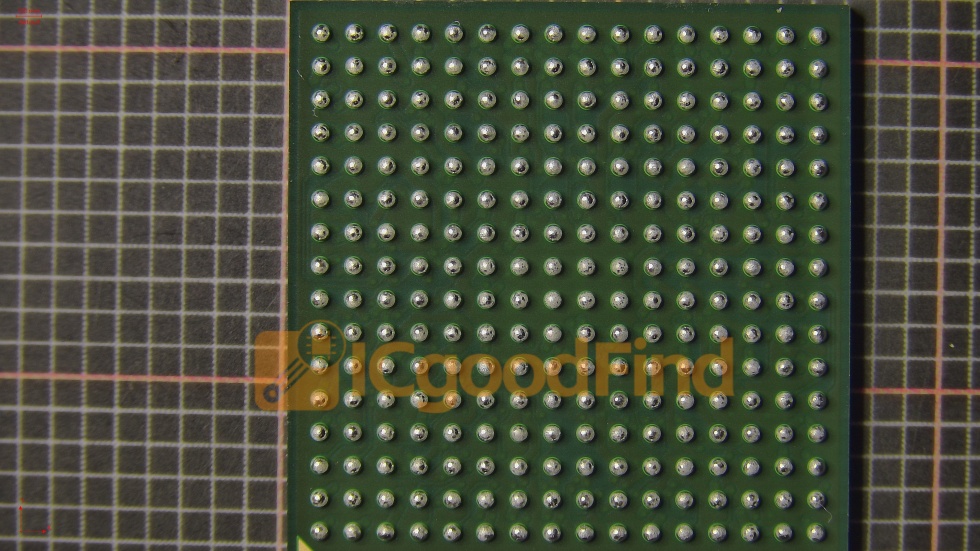
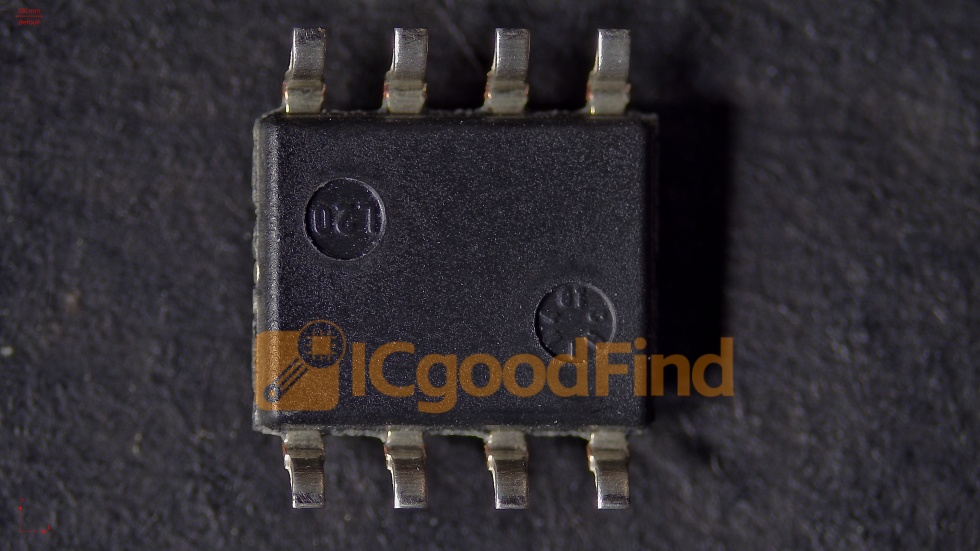
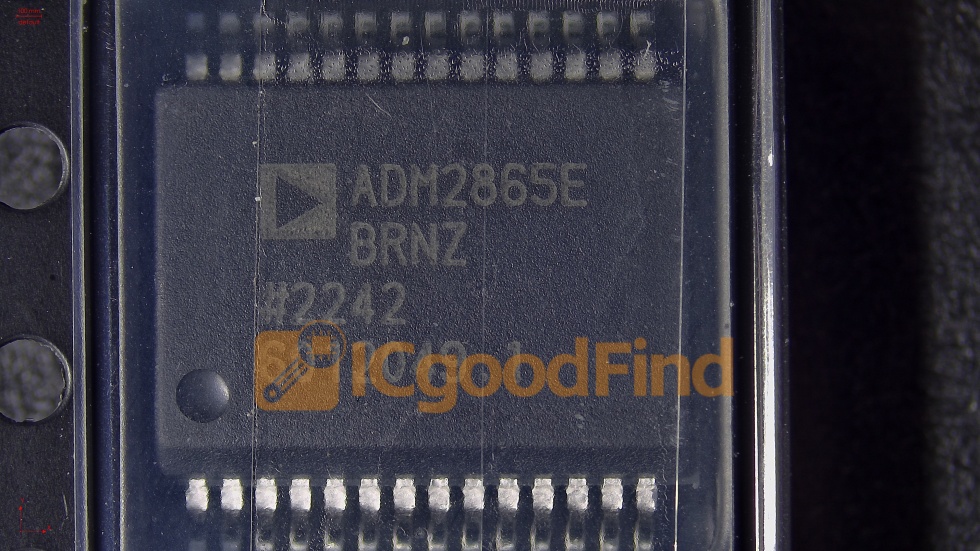
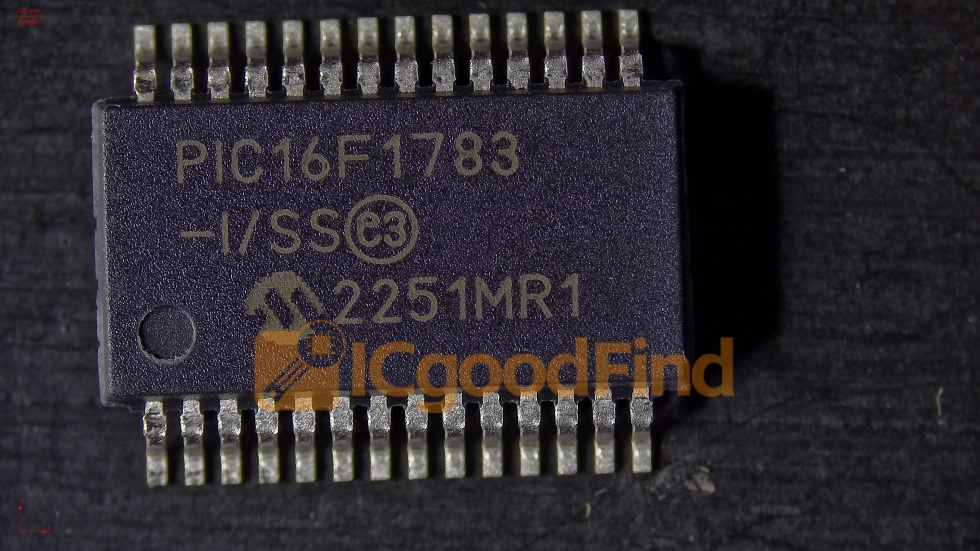
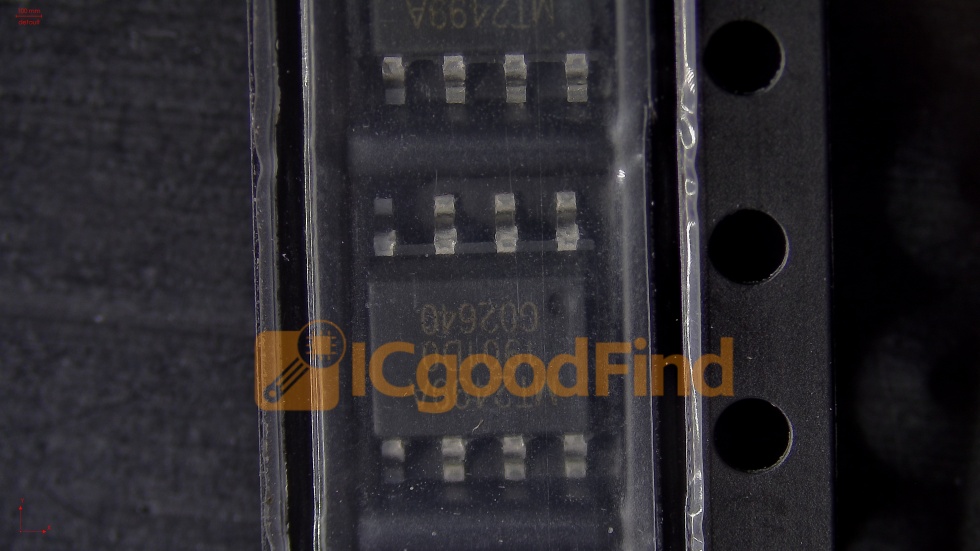
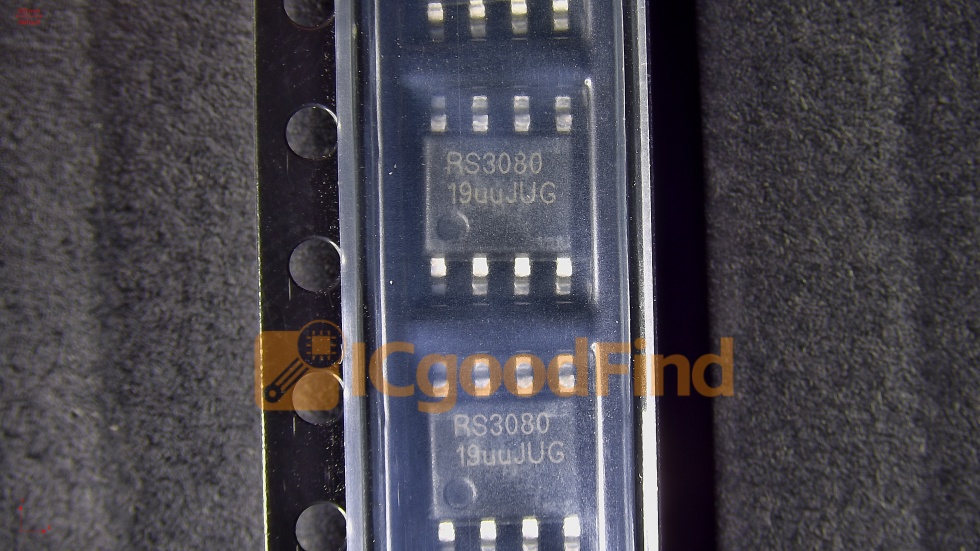
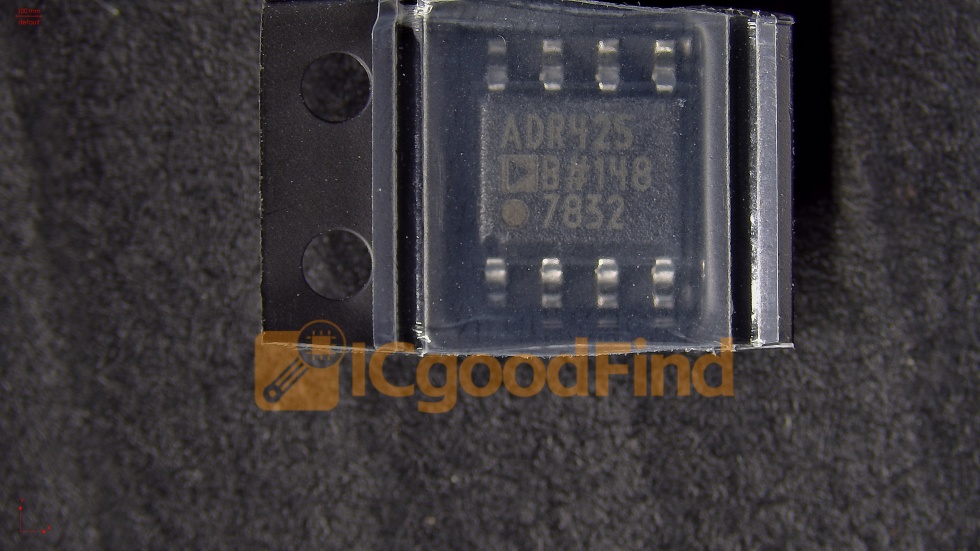
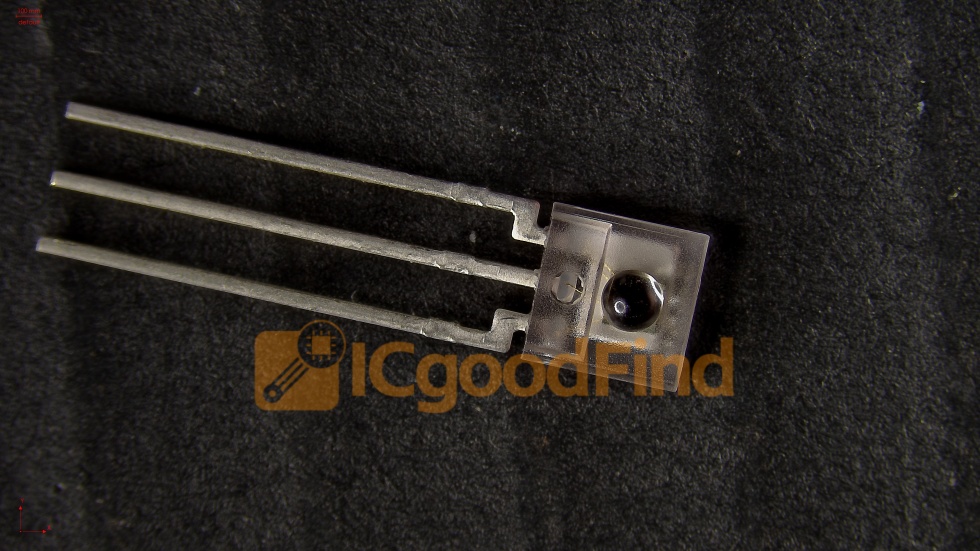
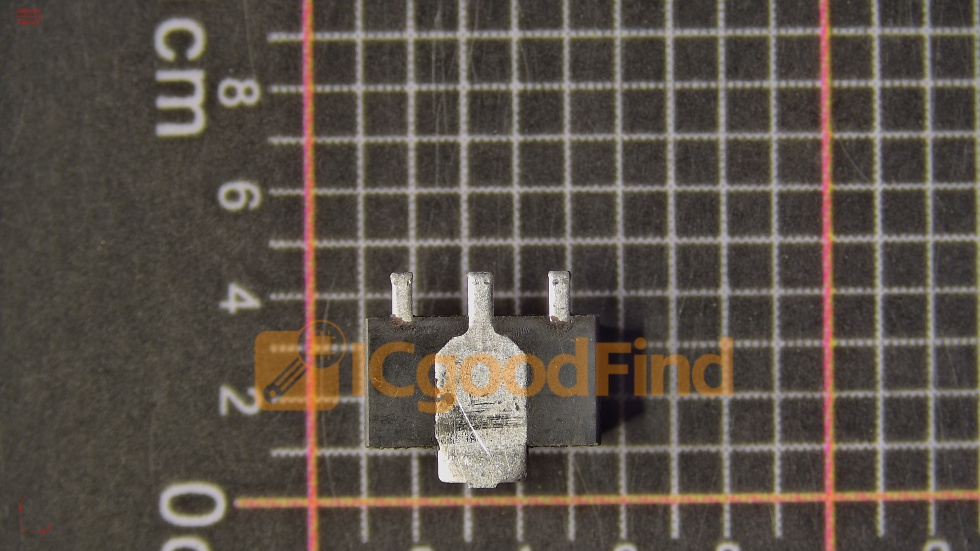
High Stability Industrial Control IC Chips: The Backbone of Modern Automation
Introduction
In the rapidly evolving landscape of industrial automation, high stability industrial control IC chips have emerged as the unsung heroes powering everything from factory robots to smart grid systems. These specialized integrated circuits are designed to operate flawlessly under extreme conditions—temperature fluctuations, electromagnetic interference, voltage surges, and continuous 24⁄7 operation. Unlike consumer-grade chips, which prioritize cost and performance, industrial control ICs are engineered for reliability, longevity, and precision. As industries move toward Industry 4.0 and the Industrial Internet of Things (IIoT), the demand for chips that can maintain consistent performance over decades has skyrocketed. This article explores the critical role of high stability industrial control IC chips, their key characteristics, and how they are shaping the future of manufacturing and infrastructure. For those seeking reliable sourcing solutions, platforms like ICGOODFIND have become essential hubs for verifying and procuring these mission-critical components.

Part 1: What Defines High Stability in Industrial Control IC Chips?
1.1 The Core Requirements of Industrial Environments
Industrial control systems operate in harsh conditions that would quickly destroy standard electronic components. High stability industrial control IC chips must withstand:
- Wide temperature ranges: Typically from -40°C to +125°C, with some specialized chips rated for even broader extremes.
- Electromagnetic compatibility (EMC): Resistance to radiated and conducted interference from motors, power lines, and wireless signals.
- Voltage fluctuations: Tolerance for ±20% or more variation in supply voltage without performance degradation.
- Mechanical stress: Vibration, shock, and humidity resistance for applications in mining, automotive, and heavy machinery.
1.2 Key Technical Parameters
The stability of an industrial control IC is measured by several critical parameters:
- Temperature drift: The change in output voltage or timing accuracy per degree Celsius. High stability chips exhibit drift as low as 1 ppm/°C (parts per million per degree Celsius).
- Long-term aging: The ability to maintain specifications after 10+ years of continuous operation. Premium chips guarantee less than 0.1% deviation over a decade.
- Phase noise and jitter: For timing and communication ICs, ultra-low jitter (below 1 picosecond) is essential for synchronized industrial networks.
- ESD protection: Industrial chips often feature ±8 kV contact discharge and ±15 kV air discharge protection, far exceeding consumer standards.
1.3 Manufacturing and Quality Assurance
Achieving high stability requires specialized fabrication processes:
- Wider process nodes: Industrial ICs often use 180nm to 350nm technology rather than cutting-edge 5nm nodes, as larger geometries provide better noise immunity and reliability.
- Extended temperature testing: Every chip is subjected to burn-in tests at elevated temperatures to weed out early failures.
- Hermetic packaging: Ceramic or metal packages with glass seals prevent moisture ingress, unlike plastic packaging used in consumer electronics.
- Redundant design: Many industrial ICs include duplicate functional blocks that automatically take over if the primary circuit fails.
ICGOODFIND provides detailed datasheets and cross-referencing tools that help engineers verify these parameters before committing to a design.
Part 2: Applications Driving the Demand for High Stability ICs
2.1 Factory Automation and Robotics
Modern manufacturing lines rely on programmable logic controllers (PLCs), servo drives, and robotic arms that require precise timing and control. High stability industrial control IC chips are used in:
- Motion control: Chips with low jitter and high temperature stability ensure that robotic joints move with micron-level accuracy, even after thousands of hours of operation.
- Sensor interfaces: Analog-to-digital converters (ADCs) with 16- to 24-bit resolution and minimal drift enable accurate measurement of temperature, pressure, and position.
- Communication modules: Industrial Ethernet protocols like PROFINET, EtherCAT, and Modbus TCP require ICs that maintain synchronization within microseconds across hundreds of nodes.
2.2 Energy and Power Infrastructure
The global push for renewable energy and smart grids has created unprecedented demand for stable control ICs in:
- Solar inverters: Maximum power point tracking (MPPT) controllers must operate reliably in outdoor environments with temperature swings from -30°C to +60°C.
- Battery management systems (BMS): ICs that monitor cell voltage and temperature with high accuracy prevent thermal runaway in lithium-ion battery packs.
- Power distribution: Digital signal processors (DSPs) and gate drivers for high-voltage IGBTs and SiC MOSFETs require stable operation under high dv/dt and di/dt conditions.
2.3 Transportation and Automotive
While automotive ICs have their own standards (AEC-Q100), industrial control chips are increasingly used in:
- Railway signaling: Safety-critical systems require ICs with mean time between failures (MTBF) exceeding 1 million hours.
- Electric vehicle charging: Charging stations use industrial-grade microcontrollers and power management ICs to handle 350 kW+ power levels.
- Avionics: Flight control systems rely on radiation-hardened or at least highly stable ICs that can operate at high altitudes and in unpressurized compartments.
2.4 Medical and Scientific Equipment
Precision instruments like MRI machines, CT scanners, and laboratory analyzers depend on ICs with:
- Ultra-low noise: For signal amplification in the microvolt range.
- Long-term stability: Calibration cycles can be extended to years when drift is minimized.
- Isolation: Galvanic isolation ICs protect patients and operators from high voltages while maintaining signal integrity.
ICGOODFIND offers parametric search filters that allow engineers to narrow down ICs by specific application requirements, such as temperature range, package type, and certification standards.
Part 3: Sourcing and Selecting High Stability Industrial Control IC Chips
3.1 Challenges in the Supply Chain
The global semiconductor shortage has highlighted the critical nature of high stability industrial control IC chips. Unlike commodity chips, these components often have:
- Long lead times: 26 to 52 weeks for specialized parts from manufacturers like Texas Instruments, Analog Devices, and Infineon.
- Limited second sources: Many high-stability ICs are proprietary or have only one or two qualified suppliers.
- Counterfeit risks: The high value of industrial ICs makes them a target for counterfeiters. Fake chips may pass initial testing but fail catastrophically in the field.
3.2 How to Verify Authenticity and Quality
When sourcing industrial control ICs, engineers and procurement professionals should:
- Request traceability documentation: Original manufacturer certificates, date codes, and lot numbers.
- Perform visual inspection: Check for correct markings, package dimensions, and lead finish.
- Conduct electrical testing: Use automated test equipment (ATE) to verify key parameters like output voltage, frequency, and temperature drift.
- Use trusted distributors: Platforms like ICGOODFIND aggregate inventory from authorized distributors and provide real-time stock availability.
3.3 Key Selection Criteria
When choosing a high stability industrial control IC, consider:
- Operating temperature range: Ensure the chip’s rated range exceeds your application’s worst-case conditions by at least 20%.
- Aging specifications: Look for datasheets that provide long-term drift data, not just initial accuracy.
- Package type: For high-vibration environments, choose surface-mount packages with robust solder joints or through-hole packages with mechanical locking.
- Certifications: UL, CE, and IEC 61508 (functional safety) certifications may be required for certain applications.
- Power consumption: Industrial ICs often prioritize stability over efficiency, but thermal management is still critical in enclosed systems.
3.4 The Role of ICGOODFIND in the Ecosystem
ICGOODFIND has become a go-to resource for engineers and buyers seeking high stability industrial control IC chips. The platform offers:
- Cross-referencing tools: Find equivalent parts from different manufacturers when a specific IC is out of stock.
- Real-time pricing and availability: Compare prices from multiple distributors and check stock levels instantly.
- Technical documentation: Access datasheets, application notes, and reference designs for over 100 million components.
- Counterfeit detection: AI-powered image recognition and supplier ratings help identify suspicious listings.
By leveraging such platforms, companies can reduce procurement risks and ensure that their industrial control systems maintain the highest levels of stability and reliability.
Conclusion
High stability industrial control IC chips are the foundation upon which modern automation, energy infrastructure, and precision equipment are built. Their ability to deliver consistent performance over decades, in the harshest environments, makes them indispensable for industries that cannot tolerate downtime or failure. As technology advances, these chips are becoming even more specialized—with integrated diagnostics, wireless connectivity, and AI-driven predictive maintenance capabilities. However, the core principles remain unchanged: temperature stability, long-term reliability, and robust design.
For engineers and procurement professionals, the challenge lies not only in designing with these chips but also in sourcing them reliably. Counterfeit components, long lead times, and supply chain disruptions pose constant threats. This is where platforms like ICGOODFIND play a vital role, offering transparency, verification, and access to a global network of trusted suppliers. By combining careful selection criteria with intelligent sourcing strategies, organizations can ensure that their industrial control systems remain stable, safe, and productive for years to come.
In a world that increasingly depends on automation and connectivity, the humble IC chip—especially the high stability industrial control variant—will continue to be the silent guardian of progress.