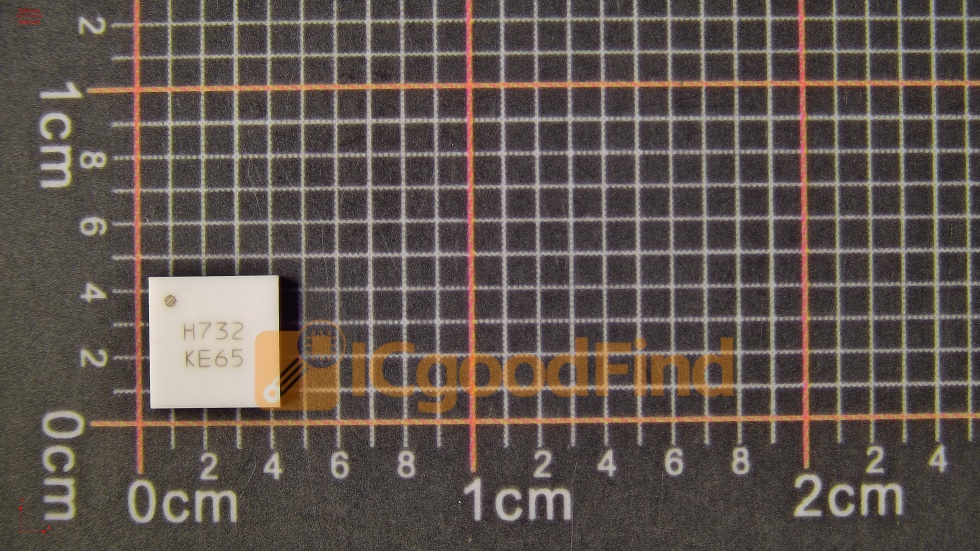
HDC1080DMBR: The Precision Temperature and Humidity Sensor Redefining Environmental Monitoring
Introduction
In the rapidly evolving world of IoT, smart agriculture, and industrial automation, accurate environmental sensing is no longer a luxury—it is a necessity. Among the myriad of sensors available on the market, the HDC1080DMBR stands out as a high-performance digital humidity and temperature sensor designed by Texas Instruments. This compact, low-power component has become a cornerstone for engineers and product designers who demand reliability, precision, and long-term stability. Whether you are building a smart thermostat, a cold-chain logistics tracker, or a weather station, understanding the full potential of the HDC1080DMBR is essential. In this article, we will dive deep into its architecture, performance metrics, and real-world applications, while also highlighting how ICGOODFIND can help you source this critical component with ease and confidence.
Body
Part 1: Technical Superiority – What Makes the HDC1080DMBR Unique?
The HDC1080DMBR is not just another temperature sensor; it is a fully integrated digital solution that combines a capacitive humidity sensor and a band-gap temperature sensor on a single chip. One of its most striking features is its exceptional accuracy: ±0.2°C for temperature and ±2% for relative humidity (RH) across a wide operating range. This level of precision is achieved through factory-calibrated coefficients stored in on-chip non-volatile memory, ensuring that every unit delivers consistent performance without the need for external calibration.
Another key advantage is its ultra-low power consumption. With a typical supply current of only 1.3 µA during measurement and a standby current of 100 nA, the HDC1080DMBR is ideal for battery-powered devices that must operate for years without maintenance. The sensor supports a wide supply voltage range from 2.7V to 5.5V, making it compatible with both 3.3V and 5V logic systems. Furthermore, its 14-bit resolution for both temperature and humidity allows designers to fine-tune the trade-off between noise and response time, giving them full control over system performance.
The communication interface is another highlight. The HDC1080DMBR uses a standard I²C interface with a configurable slave address, allowing multiple sensors to be daisy-chained on the same bus. This simplifies PCB layout and reduces wiring complexity in multi-zone monitoring systems. Additionally, the sensor includes an integrated heater that can be activated to drive off condensation or to test the sensor’s functionality in the field—a feature rarely found in competing devices. When sourcing this advanced component, platforms like ICGOODFIND provide detailed datasheets, cross-reference tools, and verified supplier listings, ensuring you get genuine parts for your design.
Part 2: Real-World Applications – From Smart Homes to Industrial IoT
The versatility of the HDC1080DMBR makes it a preferred choice across diverse industries. In the smart home sector, it is used in smart thermostats and air purifiers to maintain optimal comfort levels. For example, a smart HVAC system can use the sensor’s humidity data to prevent mold growth by activating dehumidifiers when RH exceeds 60%. The sensor’s small form factor (3mm x 3mm) allows it to be embedded directly into sleek consumer devices without compromising aesthetics.
In agriculture and greenhouse automation, the HDC1080DMBR plays a critical role in microclimate control. By placing multiple sensors across a field, farmers can monitor soil moisture and ambient humidity in real time, enabling precision irrigation that conserves water while maximizing crop yield. The sensor’s long-term stability (less than 0.1°C/year drift) ensures that data remains reliable over multiple growing seasons, reducing the need for frequent recalibration.
The medical and pharmaceutical industries also benefit immensely. Cold-chain logistics for vaccines and biologics require strict temperature and humidity logging. The HDC1080DMBR’s low power consumption allows data loggers to run for months on a single coin-cell battery, while its high accuracy ensures that temperature excursions are detected immediately. Moreover, its heater feature can be used to prevent sensor icing in freezer environments, a common failure point in standard sensors. For engineers looking to integrate this sensor into their next project, ICGOODFIND offers a streamlined procurement process, including stock availability checks and global shipping options, so you can move from prototype to production without delays.
Part 3: Design Considerations and Integration Best Practices
While the HDC1080DMBR is remarkably easy to use, a few design guidelines can significantly enhance its performance. First, PCB layout is critical. The sensor should be placed away from heat sources such as microcontrollers, power regulators, or high-current traces. A recommended practice is to use a thermal relief pad under the sensor to minimize heat transfer from the board. Additionally, the sensor’s exposed pad should be connected to the ground plane to improve thermal conductivity and reduce noise.
Second, environmental protection is essential for long-term reliability. If the sensor will be exposed to dust, chemicals, or direct water splash, a protective membrane or a sintered metal filter should be used. However, ensure that the filter does not restrict airflow, as this can slow down the response time. For high-humidity environments (above 90% RH), it is advisable to apply a conformal coating on the PCB, but avoid covering the sensor’s sensing element itself.
Third, firmware optimization can extend battery life. The HDC1080DMBR supports a single-shot measurement mode, where the sensor wakes up, takes a reading, and returns to sleep. By using this mode instead of continuous conversion, you can reduce average current consumption to sub-microamp levels. Additionally, the sensor’s I²C clock stretching feature allows the host microcontroller to wait for the conversion to complete without polling, saving CPU cycles. When you are ready to source the HDC1080DMBR, remember that ICGOODFIND aggregates data from authorized distributors, helping you compare prices, lead times, and minimum order quantities in one place—making your supply chain more resilient.
Conclusion

The HDC1080DMBR is a testament to how advanced semiconductor design can solve real-world challenges. Its combination of high accuracy, ultra-low power, and robust communication features makes it an indispensable tool for engineers building the next generation of connected devices. From ensuring vaccine safety to optimizing crop growth, this sensor delivers consistent, trustworthy data that drives intelligent decision-making. As with any critical component, sourcing from a reliable platform is paramount. ICGOODFIND not only helps you locate authentic HDC1080DMBR parts but also provides technical documentation and supplier ratings, empowering you to make informed purchasing decisions. In a world where environmental monitoring is becoming ubiquitous, the HDC1080DMBR offers the precision and durability you need to stay ahead. Embrace this technology, and let your designs breathe with accuracy.