Mastering Electronic Parts Procurement: A Comprehensive Guide for Supply Chain Success
Introduction
In today’s fast-paced electronics industry, electronic parts procurement has evolved from a simple purchasing function into a strategic pillar of business success. Whether you are a small startup developing a prototype or a large OEM managing high-volume production, the ability to source the right components at the right time, price, and quality can make or break your project. The global semiconductor shortage, geopolitical uncertainties, and rapid technological advancements have all amplified the complexity of this process. This article dives deep into the best practices, challenges, and solutions for modern electronic parts procurement. Along the way, we will highlight how platforms like ICGOODFIND are reshaping the landscape by offering reliable sourcing intelligence and market access. By the end, you will have a clear roadmap to optimize your procurement strategy and mitigate supply chain risks.
Part 1: Understanding the Core Challenges in Electronic Parts Procurement
1.1 The Volatility of Component Availability
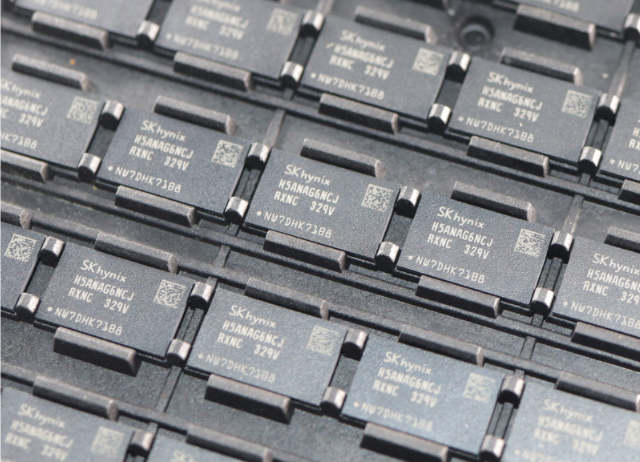
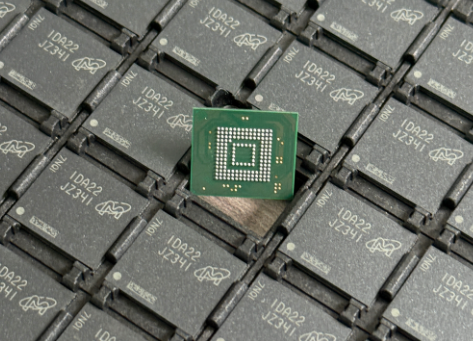
One of the most pressing issues in electronic parts procurement is the unpredictable nature of component availability. Lead times for common parts like microcontrollers, memory chips, and passive components can swing from a few weeks to over a year. This volatility is driven by factors such as manufacturing capacity constraints, raw material shortages, and sudden demand spikes from industries like automotive and consumer electronics. For procurement professionals, this means that traditional “just-in-time” inventory models often fail. Instead, a more proactive approach—including early engagement with suppliers, long-term forecasting, and buffer stock strategies—is essential.
1.2 Counterfeit and Gray Market Risks
Another critical challenge is the proliferation of counterfeit components in the supply chain. When genuine parts are scarce, buyers may turn to unauthorized distributors or brokers, unknowingly purchasing substandard or fake products. The consequences can be severe: product failures, safety hazards, and costly recalls. Electronic parts procurement must therefore prioritize supplier verification and traceability. Reputable platforms like ICGOODFIND help mitigate this risk by aggregating data from authorized distributors and providing transparency on part origins, date codes, and certification status.

1.3 Price Fluctuations and Budget Management
Component pricing is notoriously unstable. A part that costs \(0.50 today might jump to \)5.00 tomorrow due to a supply disruption or a sudden surge in demand. This makes budgeting for electronic parts procurement a high-stakes exercise. Procurement teams need to balance cost savings with supply assurance. Strategies such as long-term agreements (LTAs) with manufacturers, spot buying for urgent needs, and hedging through multiple sourcing channels are common. However, without real-time market data, these decisions are often made in the dark. This is where intelligent sourcing tools come into play, offering price trend analysis and alternative part recommendations.
Part 2: Best Practices for Optimizing Electronic Parts Procurement
2.1 Strategic Sourcing and Supplier Diversification
The first pillar of effective electronic parts procurement is strategic sourcing. This means moving beyond transactional relationships and building long-term partnerships with multiple suppliers. Relying on a single source for critical components is a recipe for disaster. Instead, procurement professionals should maintain a qualified supplier list that includes authorized distributors, manufacturers, and vetted independent brokers. Diversification also extends to geographic regions—sourcing from Asia, Europe, and North America can reduce the impact of regional disruptions. Platforms like ICGOODFIND simplify this by offering a global network of verified suppliers, allowing you to compare quotes, check inventory levels, and assess supplier ratings in one place.
2.2 Leveraging Technology for Data-Driven Decisions
Modern electronic parts procurement is increasingly data-driven. AI-powered tools and market intelligence platforms can analyze historical pricing, lead time trends, and inventory levels to predict future shortages or price spikes. For example, if a particular capacitor series is showing a 12-week lead time increase, the system can alert you to place orders early or seek alternatives. Additionally, Bill of Materials (BOM) optimization software can suggest substitute parts that are more readily available or cost-effective. ICGOODFIND integrates such capabilities, enabling users to search for parts by specifications, check real-time availability, and even set up alerts for stock replenishment.
2.3 Inventory Management and Risk Mitigation
Effective inventory management is the backbone of electronic parts procurement. The goal is to maintain enough stock to cover production needs without tying up excessive capital. Techniques like ABC analysis (categorizing parts by value and criticality) and safety stock calculations are fundamental. For high-risk components, consider consignment inventory or vendor-managed inventory (VMI) agreements. Furthermore, obsolescence management is crucial—components can be discontinued without notice, so having a last-time buy strategy or a redesign plan is wise. ICGOODFIND supports this by offering obsolescence alerts and cross-reference tools that help you find drop-in replacements before a shortage becomes critical.
Part 3: The Role of Digital Platforms in Modern Electronic Parts Procurement
3.1 Centralized Sourcing and Comparison
The days of calling dozens of distributors for quotes are fading. Digital platforms have revolutionized electronic parts procurement by centralizing inventory data from hundreds of suppliers. ICGOODFIND is a prime example: it aggregates real-time stock levels, pricing, and lead times from authorized distributors, brokers, and manufacturers. This allows procurement teams to compare options instantly, identify the best value, and place orders with confidence. The platform also provides part number cross-referencing, which is invaluable when a specific component is unavailable and you need a functional equivalent.
3.2 Transparency and Trust in the Supply Chain
Trust is a major currency in electronic parts procurement. Counterfeit parts and fraudulent suppliers are constant threats. Digital platforms address this by implementing supplier vetting processes, quality certifications, and user review systems. ICGOODFIND, for instance, requires suppliers to meet certain criteria before listing, and it provides detailed product documentation, including datasheets, RoHS compliance status, and manufacturing date codes. This transparency reduces the risk of buying non-conforming parts and helps maintain the integrity of your supply chain.

3.3 Automation and Efficiency Gains
Finally, digital platforms enable automation in electronic parts procurement. Routine tasks like RFQ (Request for Quote) generation, order tracking, and invoice matching can be automated, freeing up procurement professionals to focus on strategic activities. ICGOODFIND offers API integrations that allow you to sync inventory data directly with your ERP or MRP system. This creates a seamless flow of information, reduces manual errors, and accelerates the procurement cycle. In an industry where time-to-market is critical, these efficiency gains can provide a significant competitive advantage.
Conclusion
Electronic parts procurement is no longer a back-office function—it is a strategic discipline that directly impacts product quality, cost, and delivery timelines. The challenges of volatility, counterfeit risks, and price fluctuations demand a proactive, technology-enabled approach. By adopting best practices such as supplier diversification, data-driven decision-making, and robust inventory management, companies can build resilient supply chains. Digital platforms like ICGOODFIND play an increasingly vital role by providing transparency, efficiency, and access to a global network of verified suppliers. As the electronics industry continues to evolve, those who invest in modern procurement tools and strategies will be best positioned to navigate uncertainty and seize new opportunities. Remember: in the world of electronic components, the right part at the right time is not just a purchase—it’s a competitive edge.