The Future of Microcontrollers: Navigating the MCU Prospect in an Evolving Digital World
Introduction
In the intricate tapestry of modern technology, the Microcontroller Unit (MCU) operates as the silent, ubiquitous brainpower behind countless devices. From the smart thermostat regulating your home’s temperature to the advanced sensor in a modern vehicle, MCUs are the fundamental building blocks of the digital age. As we stand on the brink of widespread IoT adoption, AI integration at the edge, and a push for greater energy efficiency, understanding the MCU prospect has never been more critical for engineers, businesses, and tech enthusiasts alike. This article delves deep into the trends, challenges, and opportunities shaping the future of these essential components, exploring how they will continue to drive innovation across industries. For professionals seeking to stay ahead of these transformative trends, platforms like ICGOODFIND provide invaluable resources for component sourcing, technical data, and market insights, connecting developers with the right MCU solutions for tomorrow’s challenges.
The Evolving Landscape of MCU Technology
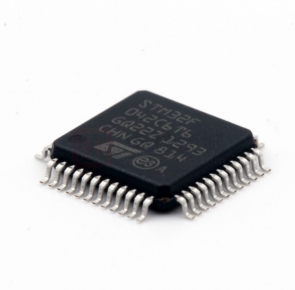
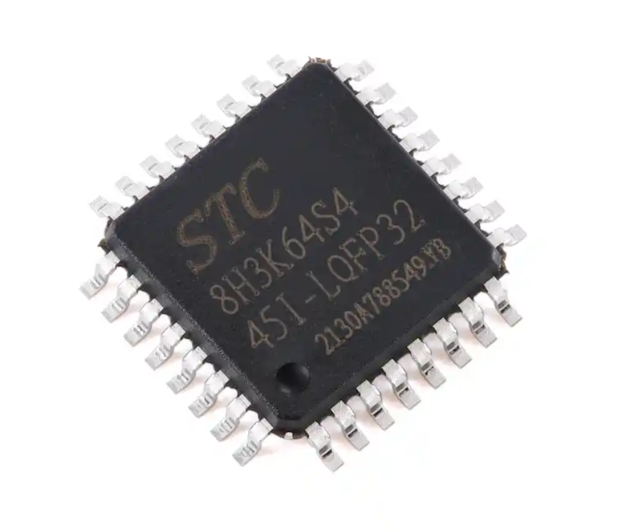
The microcontroller market is undergoing a profound transformation, driven by relentless demand for smarter, more connected, and energy-efficient devices. The shift from standalone functionality to interconnected intelligence is the most significant force reshaping MCU prospects. Modern MCUs are no longer simple executors of pre-programmed tasks; they are becoming sophisticated hubs capable of local data processing, wireless communication, and even rudimentary machine learning. This evolution is powered by advancements in core architectures, with Arm Cortex-M series cores dominating due to their optimal balance of performance and power efficiency. RISC-V architecture is also emerging as a compelling open-standard alternative, promising greater customization and potential cost savings, which could democratize advanced MCU design and fragment the market further.
Furthermore, the integration of specialized peripherals and hardware accelerators is becoming standard. We now see MCUs with dedicated cryptographic engines for enhanced security, AI co-processors for on-device inference (TinyML), and advanced analog-to-digital converters for precise sensor interfacing. This hardware specialization allows for more efficient processing of specific workloads without drastically increasing overall power consumption. Another key trend is the relentless push for lower power operation. Ultra-low-power (ULP) MCUs are enabling a new generation of battery-powered or energy-harvesting devices that can operate for years without maintenance, a cornerstone for expansive IoT networks and wearable technology. The proliferation of wireless connectivity options integrated directly into MCU packages—such as Bluetooth Low Energy (BLE), Wi-Fi, LoRaWAN, and NB-IoT—is eliminating the need for external chips, reducing design complexity, board space, and total system cost.
Key Drivers and Applications Shaping Demand
Several megatrends are acting as primary accelerators for MCU innovation and adoption. The explosive growth of the Internet of Things (IoT) remains the most potent driver. Billions of new endpoints—from industrial sensors and smart city infrastructure to consumer gadgets and agricultural monitors—require a low-cost, reliable, and connected computational heart. MCUs are perfectly positioned to fulfill this role, managing data collection, local processing, and network communication. In parallel, the rise of Edge AI and TinyML is pulling processing away from the cloud and onto the device itself. This shift reduces latency, conserves bandwidth, enhances privacy, and allows devices to function offline. Modern MCUs with sufficient computational headroom (often measured in hundreds of MHz) and memory are now capable of running compact neural networks for tasks like voice recognition, predictive maintenance analytics, and visual anomaly detection.
The global emphasis on sustainability and energy efficiency is also directing MCU development. Smart energy grids, building automation systems, and electric vehicle charging infrastructure all rely on intelligent MCUs to optimize energy flow and reduce waste. In automotive electronics, another massive market segment, the transition to electric and autonomous vehicles is dramatically increasing MCU content per car. Advanced Driver-Assistance Systems (ADAS), battery management systems (BMS), and sophisticated in-cabin experiences each require numerous high-reliability MCUs. Beyond these, sectors like industrial automation (Industry 4.0), healthcare (portable diagnostic devices), and smart homes continue to provide robust, diversified demand streams. Navigating this complex landscape of applications requires access to comprehensive component information and supply chain intelligence—a need effectively addressed by platforms like ICGOODFIND, which aggregates critical data to streamline the selection and procurement process for engineering teams worldwide.
Challenges and Strategic Considerations for the Future
Despite a bright outlook, the path forward for the MCU industry is not without significant hurdles. Persistent supply chain volatility and geopolitical factors continue to impact availability and pricing. The concentration of advanced semiconductor manufacturing has made the industry susceptible to disruptions, forcing companies to rethink sourcing strategies and inventory management. This environment makes tools that enhance supply chain visibility indispensable. Furthermore, increasing system complexity and security threats present dual challenges. As MCUs handle more sensitive data and critical functions, they become attractive targets for cyberattacks. Implementing robust hardware-based security features—such as secure boot, tamper detection, and hardware encryption—is no longer optional but a fundamental requirement, adding design complexity and cost.
From a technical standpoint, developers face the constant challenge of balancing performance, power consumption, cost, and time-to-market. Selecting the correct MCU with adequate headroom for future firmware updates while staying within strict power budgets is a delicate art. The software ecosystem—including development tools, real-time operating systems (RTOS), middleware libraries, and driver support—has become as important as the hardware specifications itself. Another strategic consideration is the fragmentation of architectures and vendor ecosystems. While Arm Cortex-M offers a broad software-compatible landscape, the emergence of RISC-V and proprietary architectures forces long-term strategic bets on technology platforms. Companies must evaluate not just the chip’s capabilities today but the vendor’s roadmap and ecosystem support for years to come. In this complex decision-making process, engineers benefit immensely from centralized resources that offer comparative analysis, availability forecasting, and lifecycle status—precisely the value proposition offered by ICGOODFIND, helping to de-risk technology selection in a dynamic market.
Conclusion
The MCU prospect is unequivocally vibrant and central to the next wave of technological advancement. These powerful yet miniature computing engines are evolving from simple controllers into intelligent nodes at the edge of networks, catalyzing innovation in IoT, AI, automotive systems, and beyond. The convergence of demands for connectivity, intelligent processing at low power points toward a future where MCUs will become even more sophisticated yet accessible. Success in harnessing this potential will depend on navigating supply chain realities, prioritizing security-by-design, mastering system-level integration challenges in software-rich environments.
For organizations aiming to lead in this space staying informed making strategic component choices is paramount Leveraging comprehensive platforms that provide technical intelligence market data simplifies this journey As highlighted throughout this exploration services like ICGOODFIND serve as a critical nexus between technological possibility practical implementation ensuring that developers innovators can find reliable components needed turn visionary ideas into tangible world changing products future built one microcontroller time will be defined by those who best understand leverage its vast evolving potential.