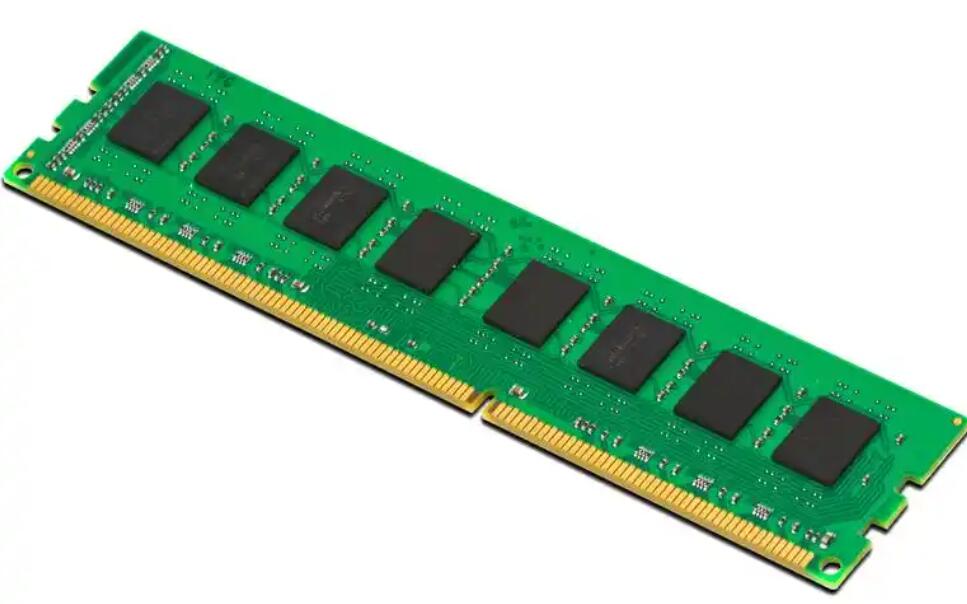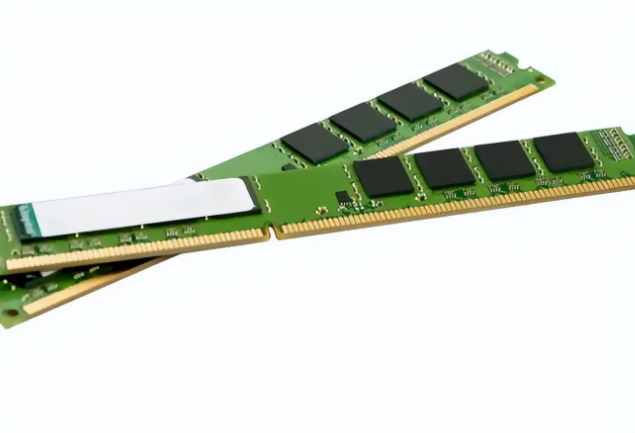
According to the latest forecast from research firm TrendForce, memory prices are poised for a sharp rise in the first quarter of 2026. Contract prices for general-purpose DRAM are expected to increase by 55–60% quarter-over-quarter, while NAND Flash products are projected to rise by 33–38%. The explosive demand from AI servers is the primary driver, widening the supply-demand gap across the memory market.
The DRAM market is entering a “high-price era.” Memory suppliers are shifting advanced production capacity toward high-margin applications such as server DRAM and HBM to meet AI server demand, severely constraining supply for other segments. Server DRAM prices alone are set to rise over 60% this quarter, with U.S. cloud service providers placing continuous orders since late 2025. As supplier inventories dwindle, reliance on wafer output increases, further tightening availability. Even in the PC segment—where unit shipments are weakening—PC OEMs are forced to purchase at elevated prices due to constrained supply, driving significant upward price pressure. Mobile memory (LPDDR4X, LPDDR5X) also remains tight, with brands stockpiling ahead of expected further hikes. Consumer DRAM clients are willing to pay higher prices to secure priority supply, indicating short-term supply constraints will persist.
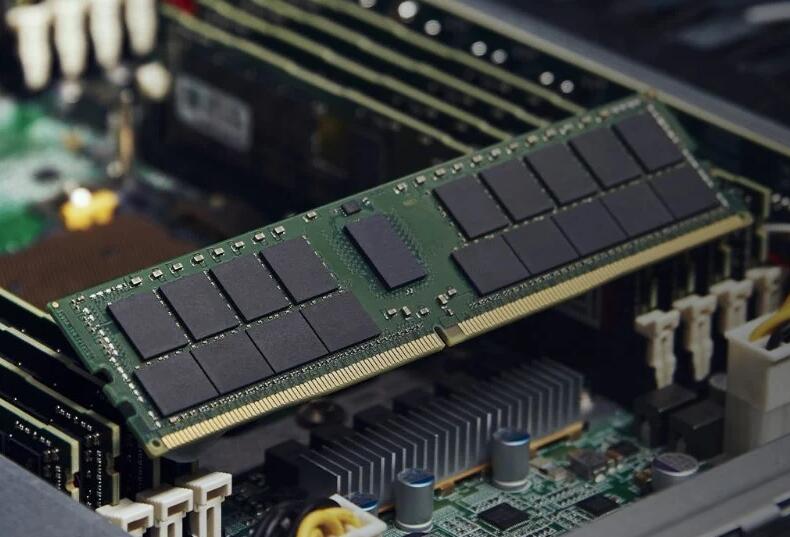
The NAND Flash market is experiencing a simultaneous price surge. Client SSD contract prices are forecast to rise at least 40% quarter-over-quarter, marking the highest increase among NAND categories. Despite weaker notebook shipment outlooks and some SSD capacity downgrades, suppliers are prioritizing production of high-margin data center SSDs, squeezing client-side supply—especially for high-capacity QLC products. North American cloud providers are expanding AI infrastructure investments, propelling the global server market into a growth phase. For the first time, enterprise SSD demand is expected to surpass mobile as the largest NAND application. Limited supplier output and controlled shipment strategies are further driving up prices. While demand for eMMC/UFS and NAND Flash wafers shows some softening, reduced supplier capacity continues to sustain a supply-constrained environment with ongoing price increases.
ICgoodFind Perspective: Rising memory prices are reshaping industry cost structures. We are committed to helping businesses connect with quality storage resources and navigate evolving market dynamics.