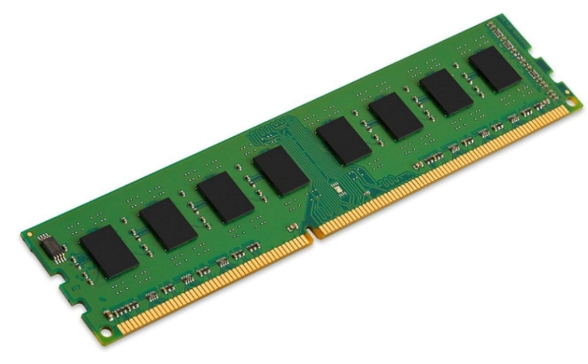
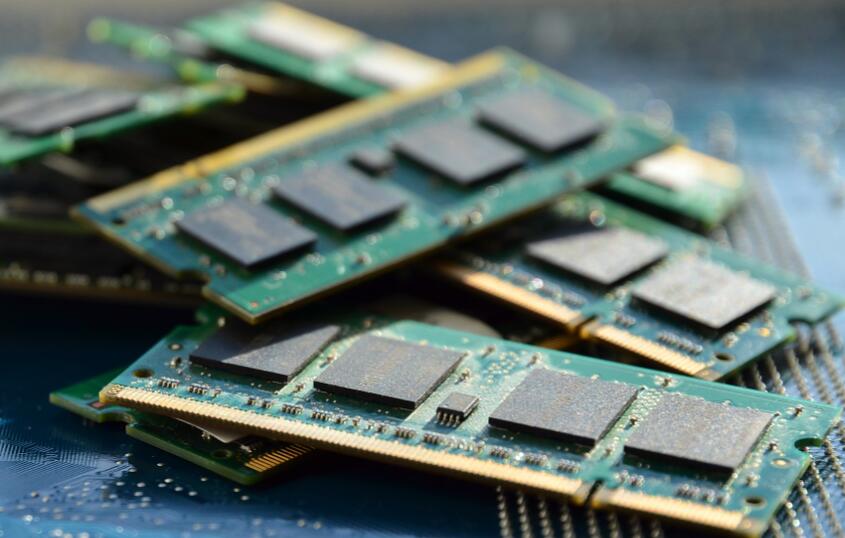
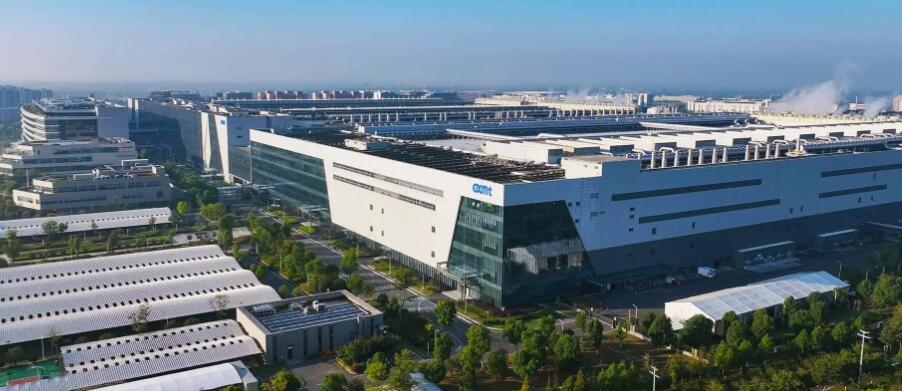
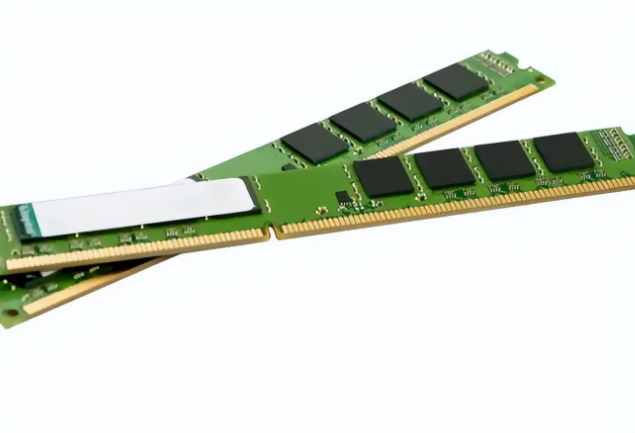
ChangXin Memory (CXMT) is halving its DDR4 DRAM production capacity to prioritize next-generation DDR5 and LPDDR5 memory. This strategic move, reported by Taiwan's Digitimes, signals the Chinese chipmaker's push to compete with global leaders Samsung, SK Hynix, and Micron.
Production plans have been adjusted. Instead of maintaining a monthly output of 20,000 DDR4 wafers through 2026, CXMT has cut that target to approximately 10,000 wafers. This aligns with the market shift away from DDR4. While demand for DDR4 is shrinking—leading Korean giants to plan their own exits—demand is surging for DDR5 and LPDDR5/LPDDR5X, which are critical for smartphones, AI chips, and high-performance servers.
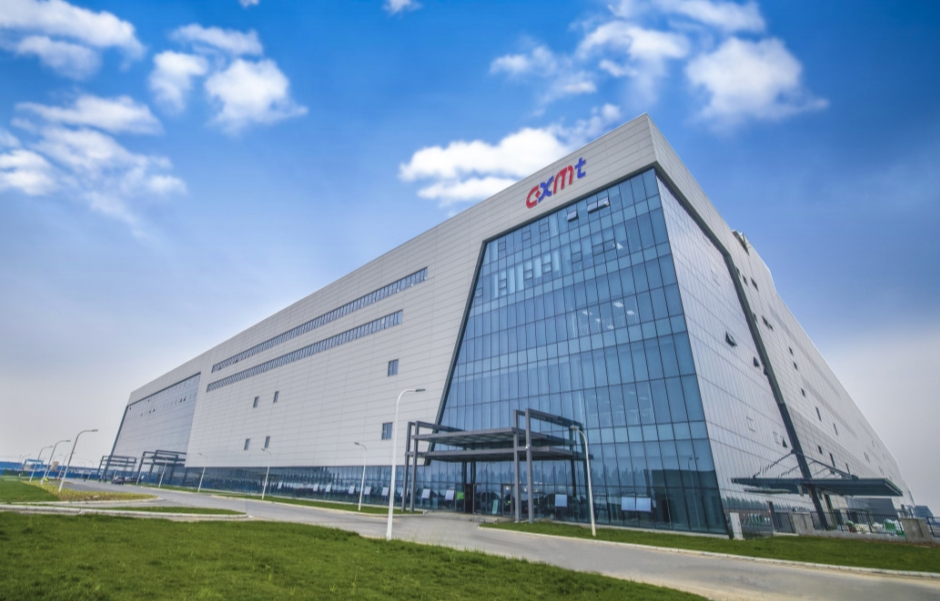
The shift is backed by key technical milestones. CXMT has announced the commercialization of new-generation DRAM products like DDR5 and LPDDR5X, with mass production scheduled to begin in 2026. This officially positions it as a new contender in the high-end DDR5 market, historically dominated by the Korean-American trio.
The move is expected to cause a dual market impact. As CXMT ramps up DDR5 output, it could divert high-end orders from Korean suppliers during a global chip shortage, eroding their market share. Simultaneously, the sharp cut in DDR4 production is likely to worsen the global DDR4 supply crunch, potentially driving prices higher.
ICgoodFind: CXMT's decisive capacity shift from DDR4 to DDR5 reflects a calculated bid to capture market share in the strategic, high-growth segment of the memory industry.