Micron Technology has finalized plans for a major expansion of its Hiroshima plant in Japan, targeting mass production of High Bandwidth Memory (HBM) by 2028. This move aims to significantly enhance its delivery capacity in the high-end memory market.
The expansion is backed by substantial investment and strong government support. Japan's Ministry of Economy, Trade and Industry (METI) has pledged up to ¥536 billion ($2.43 billion) in subsidies over five years until 2029. In response, Micron has committed ¥1.5 trillion ($6.8 billion) to this capacity expansion, marking its largest single investment in Japan.
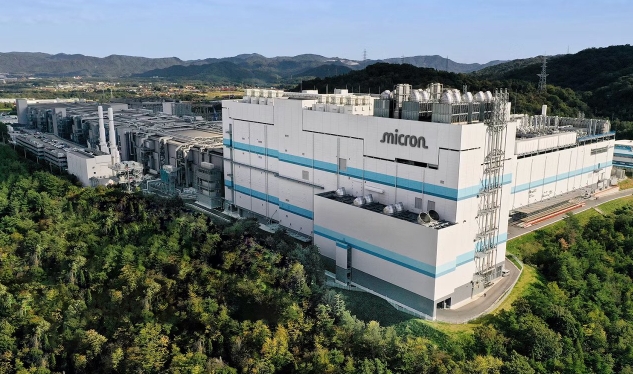
Upon completion, the Hiroshima facility is expected to achieve a monthly output of 40,000 high-end DRAM wafers, with a significant portion dedicated to HBM production. Shipments are scheduled to begin between June and August 2028, reaching full production capacity from March to May 2030. The subsidy comes with strings attached: Micron must maintain production for over ten years after mass production begins and respond to government requests for increased output during supply shortages.
This expansion is a critical strategic move for Micron in the competitive HBM market. While the company briefly held the second position in global HBM shipments earlier this year, it still lags behind leading players in production capacity. Micron's long-term goal is for HBM to contribute a comparable revenue share to its overall DRAM business, and the Hiroshima plant is central to achieving this objective.
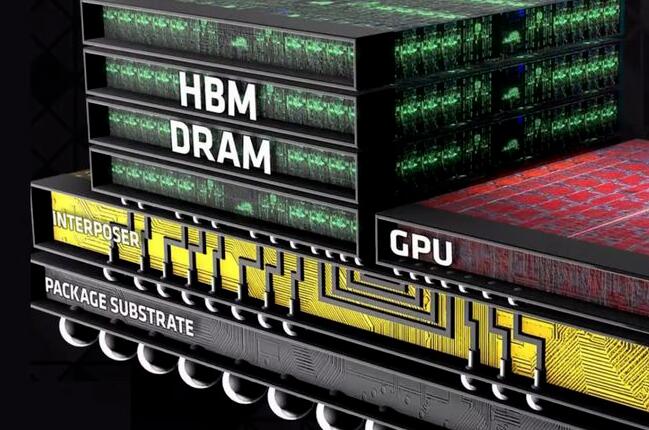
The surge in demand for HBM, driven by AI models and autonomous driving technologies, presents a significant opportunity for Micron. HBM has become a standard component in flagship AI chips like NVIDIA's H100 and AMD's MI300, with the global HBM market projected to exceed $20 billion in 2025 and potentially reach $100 billion by 2030.
Beyond Japan, Micron is advancing its global expansion blueprint, including plans to build six new DRAM wafer plants in the US over the next two decades. This dual-core production strategy leverages Japan's expertise in semiconductor materials and precision manufacturing for high-end HBM, while utilizing US supply chains to capture the North American AI market.
ICgoodFind: Micron's ambitious expansion in Japan strategically positions it to compete more effectively in the rapidly growing and high-stakes HBM market.