Toshiba and Rohm Semiconductor have restarted negotiations on power semiconductor cooperation, just one month after Toshiba terminated a controversial partnership with a Chinese silicon carbide wafer manufacturer. The reversal follows intervention by Japan's Ministry of Economy, Trade and Industry over technology security concerns.
The companies were previously considered a "golden partnership" in Japan's semiconductor strategy:
-
Received ¥129.4 billion ($827 million) in government subsidies
-
Toshiba focused on silicon-based devices
-
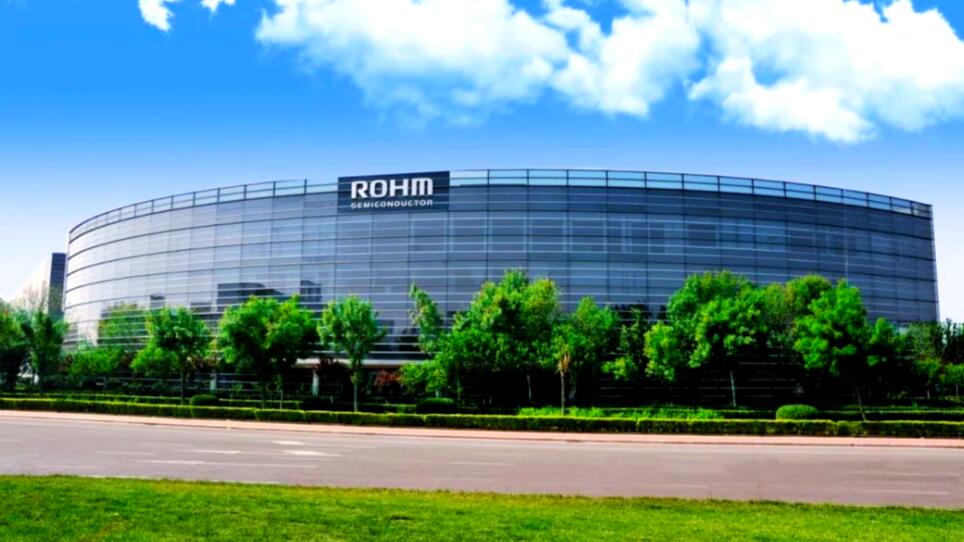
Rohm specialized in silicon carbide (SiC) technology
-
Toshiba had already stationed engineers at Rohm's wafer fab
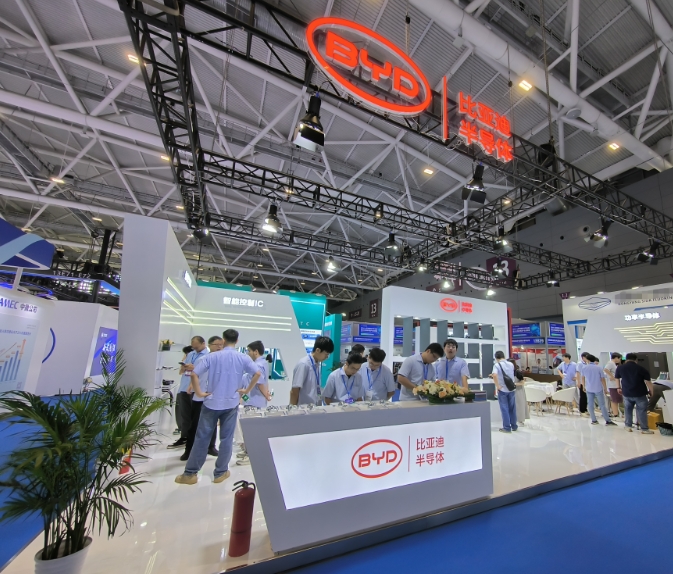
The partnership nearly collapsed in August when Toshiba's electronic devices subsidiary announced a deal with a Chinese SiC wafer producer. Rohm executives expressed shock, fearing the arrangement could lead to transfer of advanced SiC technology to China.

Under government pressure, Toshiba:
-
Terminated the Chinese partnership in September
-
Issued a formal apology to Rohm
-
Quickly resumed partnership talks
Toshiba's urgency stems from competitive threats:
-
Denso, the automotive components giant, has increased its Rohm stake from <1% to nearly 5%
-
Denso and Rohm are already collaborating on EV sensor semiconductors
-
Denso-Fuji Electric alliance represents another government-backed power semiconductor group
Japan's power semiconductor industry is consolidating into two major camps while facing intense Chinese competition. Industry analyst Satoru Oyama warns that "Chinese-made power semiconductors could surpass Japanese products in both quality and quantity in the near future."
ICgoodFind :Japan's forced partnership restructuring reflects growing concerns about Chinese competition in critical semiconductor segments.