

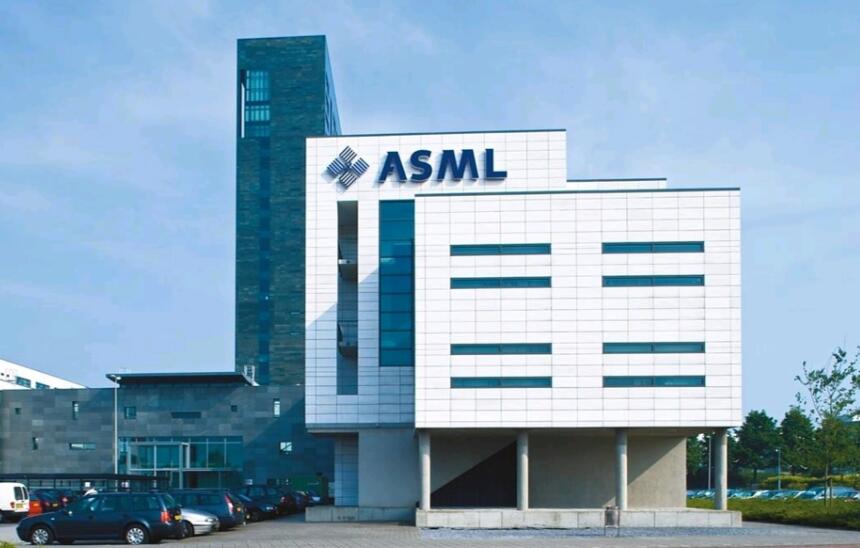
ASML released Q3 2026 results on October 14, with quarterly net sales of €11.66 billion, a record high, gross margin of 57.5%, and net profit of €5 billion. The company expects Q4 net sales of €14.2–15.2 billion at about 57% gross margin, and full-year net sales of €44–45 billion at about 56% gross margin.

More notable than the quarterly numbers is the demand-side signal. CEO Christophe Fouquet said some customers have expressed interest in orders for 2029 and even 2030. Given持续 order growth, ASML now expects its 2027 and 2028 supply plans will not fully meet customer demand. It is therefore studying raising 2028 capacity beyond the previously announced 30% growth, while upgrading its product portfolio for productivity to keep supplying wafer capacity.
This statement stretches the semiconductor equipment supply crunch timeline to five years out. Customers willing to lock capacity for 2030 deliveries shows their view of the advanced-node expansion cycle is no longer limited to short-term AI demand swings, but points to a longer-term structural expansion plan. As the sole supplier of EUV lithography, ASML's capacity bottleneck directly sets the pace of global advanced-node fab expansion. If 2027–2028 supply cannot meet demand, TSMC, Samsung, and Intel will see advanced-node capacity release constrained by equipment delivery schedules.

ASML previously decided to raise replacement parts prices for the Korean market by a uniform 10%, with Samsung and SK Hynix accepting. Equipment price adjustments plus capacity shortages further strengthen ASML's pricing power in the semiconductor equipment market.
ICgoodFind Summary: ASML's record €11.66 billion quarterly revenue is just the result—the key signal is customers pushing order interest to 2030. With lithography capacity unable to keep up with expansion demand, advanced-node competition will extend from fabs to equipment delivery schedules.