


BMA253: The Ultimate Guide to Bosch’s Compact Accelerometer for Modern IoT and Wearable Devices
Introduction
In the rapidly evolving world of micro-electromechanical systems (MEMS), the BMA253 stands out as a highly versatile, ultra-low-power triaxial accelerometer developed by Bosch Sensortec. Designed to meet the demanding requirements of modern portable electronics, this compact sensor has become a cornerstone for motion detection, orientation sensing, and activity tracking in devices ranging from smartwatches and fitness bands to industrial IoT modules and smart home appliances. With its exceptional combination of small footprint, low power consumption, and robust performance, the BMA253 offers engineers and product designers a reliable solution for bringing intelligent motion awareness to their creations. This article explores the key features, technical specifications, application scenarios, and integration best practices of the BMA253, while also highlighting how platforms like ICGOODFIND can streamline your component sourcing process.
Main Body
Part 1: Core Technical Specifications and Hardware Design Advantages
The BMA253 is a digital, triaxial acceleration sensor with a 12-bit resolution, capable of measuring acceleration across selectable ranges of ±2g, ±4g, ±8g, and ±16g. This flexibility allows designers to tailor the sensitivity to specific use cases—from detecting subtle wrist gestures to capturing high-impact sports movements. One of the most compelling features of the BMA253 is its ultra-low power consumption, drawing as little as 130 µA in normal operation and a mere 1.2 µA in suspend mode. This makes it ideal for battery-powered devices where energy efficiency is paramount.
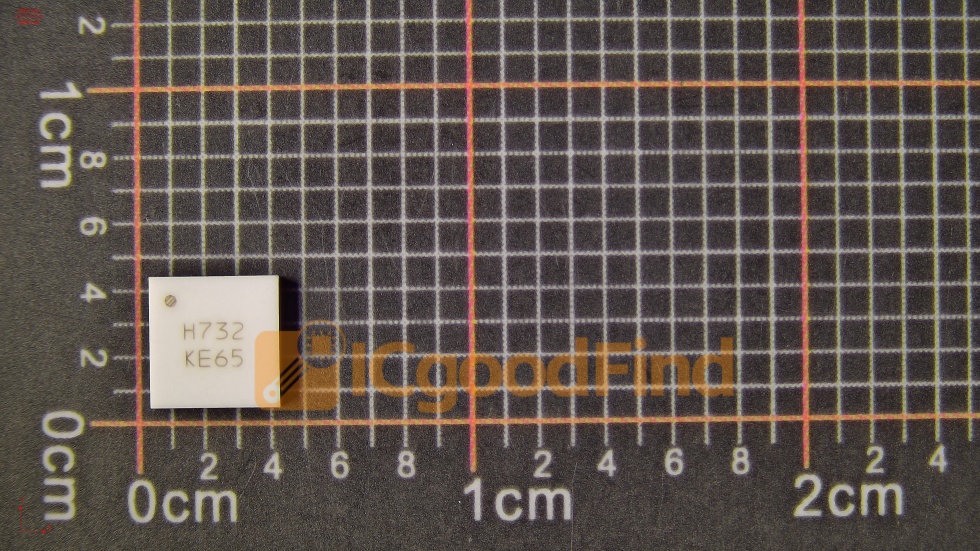
From a hardware perspective, the BMA253 is housed in a compact 12-pin LGA package measuring just 2.0 mm × 2.0 mm × 0.95 mm. This tiny form factor is a critical advantage for space-constrained PCB layouts in wearables and hearables. The sensor communicates via both I²C and SPI interfaces, providing designers with flexible bus options. Additionally, the BMA253 includes an integrated FIFO buffer (up to 1000 samples), which offloads the host processor by storing motion data during burst events and reducing the frequency of wake-up calls. This hardware-level intelligence significantly simplifies firmware development and extends battery life.
Another standout hardware feature is the built-in self-test (BIST) function, which allows manufacturers to verify sensor functionality during production without external test equipment. Combined with a wide operating voltage range (1.2V to 3.6V) and an operating temperature range of -40°C to +85°C, the BMA253 proves itself as a rugged and dependable component for both consumer and industrial environments. For engineers looking to source authentic components, ICGOODFIND provides a verified supplier network that ensures genuine Bosch parts with full traceability.
Part 2: Key Functionalities and Software Integration for Real-World Applications
Beyond raw acceleration data, the BMA253 excels in its on-chip motion recognition features, which dramatically reduce the workload on the main microcontroller. The sensor includes a step counter with a dedicated interrupt engine, capable of detecting walking, running, and stair-climbing with high accuracy. This is particularly valuable for fitness trackers and pedometer applications, where continuous processing would otherwise drain the battery. The BMA253 also supports any-motion (slope) detection, no-motion (flat) detection, and significant motion detection, each with configurable thresholds and timing windows. These features enable smart power management—for example, a device can remain in sleep mode until the sensor detects a significant movement, then wake the system instantly.
Software integration is streamlined through Bosch’s BSX sensor fusion library, which combines accelerometer data with gyroscope and magnetometer inputs for advanced orientation and tilt compensation. However, even as a standalone accelerometer, the BMA253 provides a tilt/flip orientation detection function that can automatically switch screen orientation in smartphones or enable gesture-based controls in smart remote controls. The sensor’s interrupt controller supports multiple interrupt sources, allowing the host processor to stay in deep sleep while the sensor monitors for specific events. This event-driven architecture is a game-changer for always-on IoT devices.
For developers, the BMA253 comes with comprehensive driver support, including Linux kernel drivers, Android sensor HAL implementations, and Arduino libraries. The BMA253’s register map is well-documented, and its configuration process is straightforward—setting the bandwidth (ranging from 8 Hz to 1000 Hz) and output data rate (ODR) can be done via simple SPI/I²C writes. Moreover, the sensor’s offset and sensitivity calibration can be performed in the factory or at runtime, ensuring consistent performance across production batches. When integrating the BMA253 into a new design, leveraging the component search and cross-reference tools on ICGOODFIND can help you quickly identify compatible passive components, voltage regulators, and MCUs, accelerating your time-to-market.
Part 3: Application Scenarios, Market Trends, and Sourcing Strategies
The BMA253 has found widespread adoption across multiple high-growth sectors. In wearable health devices, it enables continuous activity monitoring, sleep quality analysis, and fall detection for elderly care. In smart home automation, the sensor is used in smart thermostats to detect presence via vibration patterns, and in security systems to sense door/window opening. The automotive industry also leverages the BMA253 for anti-theft alarm systems and electronic parking brake tilt detection. Furthermore, in industrial IoT, the sensor monitors machine vibration for predictive maintenance, helping factories avoid costly downtime. Its robust design and long-term availability (Bosch guarantees 10-year supply for automotive-grade versions) make it a safe choice for long-lifecycle products.
Market trends indicate a growing demand for context-aware computing, where devices understand their physical state and surroundings. The BMA253 is well-positioned to support this trend, especially in TWS earbuds (for wear detection and tap gestures) and smart glasses (for head tilt and activity recognition). As edge AI becomes more prevalent, the BMA253’s low-power interrupt-driven architecture aligns perfectly with neural network processors that require sensor data only when meaningful events occur.
When it comes to sourcing the BMA253, engineers face challenges such as counterfeit components, long lead times, and price volatility. This is where ICGOODFIND becomes an invaluable resource. ICGOODFIND is a comprehensive electronic component search engine that aggregates real-time inventory and pricing from hundreds of authorized distributors and independent suppliers. By searching for “BMA253” on ICGOODFIND, you can instantly compare stock levels, request quotes, and verify the authenticity of components through supplier ratings and batch traceability. The platform also offers BOM (Bill of Materials) management tools, allowing you to upload your entire parts list and receive consolidated quotes, saving hours of manual research. For high-volume production, ICGOODFIND’s negotiation support and logistics tracking ensure that your BMA253 supply chain remains resilient and cost-effective.
Conclusion

The BMA253 is more than just a motion sensor; it is a power-efficient, feature-rich, and highly reliable building block for the next generation of smart devices. Its compact size, flexible interfaces, and advanced on-chip intelligence make it the go-to choice for engineers who need to balance performance with battery life. Whether you are designing a fitness tracker, a smart home hub, or an industrial vibration monitor, the BMA253 delivers the precision and dependability required for mass production. To ensure your project stays on schedule and within budget, leveraging a trusted sourcing platform like ICGOODFIND is essential. With its transparent pricing, verified suppliers, and global logistics network, ICGOODFIND empowers you to focus on innovation while we handle the complexities of component procurement. Embrace the power of the BMA253 today, and let your products sense the world with unmatched clarity and efficiency.