Obsolete Component Replacement for Old PCB Project: A Comprehensive Guide to Reviving Legacy Electronics
Introduction
In the fast-paced world of electronics manufacturing, component obsolescence is an inevitable challenge. For engineers, hobbyists, and businesses working on old PCB projects, the discontinuation of critical components can bring production to a halt. Whether you are restoring vintage audio equipment, maintaining industrial control systems, or repairing legacy medical devices, obsolete component replacement is a skill that separates successful projects from abandoned ones. This article explores the strategies, tools, and best practices for sourcing and substituting outdated parts, with a special mention of ICGOODFIND as a reliable resource for hard-to-find electronic components. By understanding the nuances of form, fit, and function, you can breathe new life into your old PCB projects without compromising performance or reliability.
Part 1: Understanding the Challenge of Obsolete Components
The Lifecycle of Electronic Components
Every electronic component has a lifecycle, from introduction to maturity and finally obsolescence. Manufacturers typically issue Product Change Notifications (PCNs) and End-of-Life (EOL) notices years in advance, but for old PCB projects, these warnings may have been missed. The challenge intensifies when the original design documentation is incomplete, or when the component is a custom ASIC (Application-Specific Integrated Circuit) with no direct replacement.
Why Obsolete Components Are Critical for Old PCB Projects
For old PCB projects, the original component is often the key to maintaining signal integrity, timing, and power characteristics. Replacing a discontinued operational amplifier, microcontroller, or voltage regulator with a modern equivalent may seem straightforward, but subtle differences in pinout, input capacitance, or thermal performance can cause the entire circuit to malfunction. This is why obsolete component replacement requires a methodical approach, not just a quick search on a distributor’s website.
The Economic and Practical Impact
When a component becomes obsolete, the cost of finding a replacement can skyrocket. Last-time buy (LTB) options may be available, but they require large minimum order quantities. For small-batch old PCB projects, this is often impractical. Additionally, counterfeit components flood the market when demand for obsolete parts spikes. ICGOODFIND addresses this by offering verified, traceable components that meet original specifications, reducing the risk of counterfeit parts in your project.
Part 2: Strategies for Obsolete Component Replacement
2.1 Pin-to-Pin Replacement: The Ideal Scenario
The simplest solution for obsolete component replacement is finding a pin-to-pin compatible substitute. This means the replacement component has the same package, pinout, and electrical characteristics as the original. Many manufacturers produce “drop-in” replacements for their own discontinued parts. For example, a Texas Instruments op-amp may have a newer version with improved specs but identical pinout. However, always verify the datasheet for differences in supply voltage range, output current, or frequency response.
Key steps for pin-to-pin replacement: - Cross-reference the original part number using databases like ICGOODFIND or manufacturer cross-reference tools. - Check the package type (e.g., SOIC, DIP, QFP) to ensure mechanical fit on the old PCB. - Compare electrical limits such as absolute maximum ratings and operating temperature range.
2.2 Functional Replacement with Circuit Modification
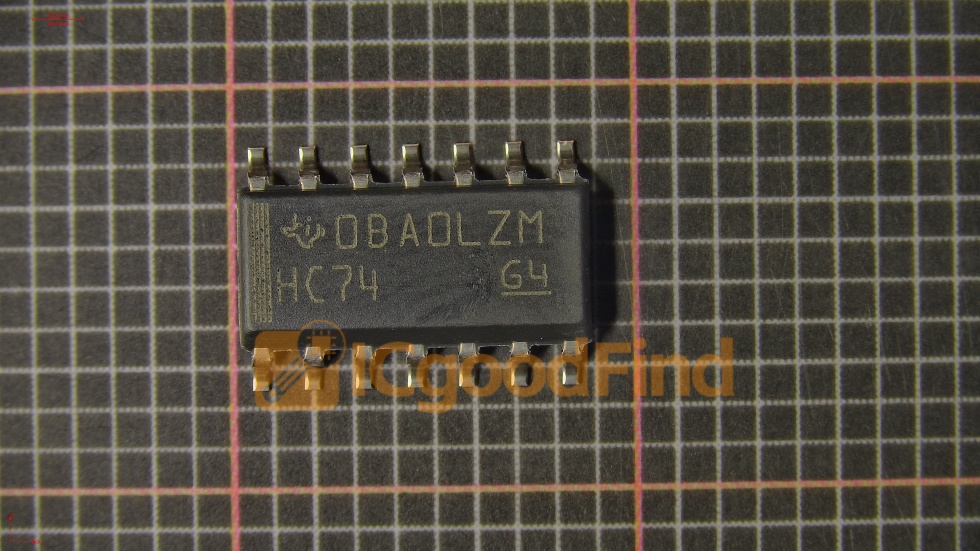
When a direct pin-to-pin replacement is unavailable, functional replacement becomes necessary. This involves finding a component that performs the same function but may require minor circuit modifications. For instance, replacing an obsolete 74LS series logic gate with a 74HC series requires adjusting the power supply voltage (5V vs. 3.3V) and considering input threshold levels. For old PCB projects that use TTL logic, this can be a delicate balance.
Common modifications include: - Adding voltage regulators to adapt to different supply voltages. - Using level shifters for logic family compatibility. - Adjusting passive components (resistors, capacitors) to match timing requirements.
ICGOODFIND provides detailed specifications and application notes that help engineers determine whether a functional replacement is feasible without redesigning the entire board.
2.3 Sourcing from Specialized Distributors and Brokers
For truly rare or custom components, specialized distributors like ICGOODFIND are invaluable. These platforms aggregate inventory from global suppliers, including obsolete stock, surplus inventory, and reclaimed components from decommissioned equipment. When sourcing for old PCB projects, always request: - Certificate of Conformance (CoC) to verify authenticity. - Date code and lot number to ensure the component is not counterfeit. - Testing reports for critical parameters like leakage current or gain bandwidth.
ICGOODFIND stands out by offering a verified supplier network and a 30-day return policy for components that do not meet specifications. This reduces the risk of receiving faulty parts for your obsolete component replacement needs.
2.4 Reverse Engineering and Custom Design
In extreme cases, when no replacement exists, reverse engineering the original component’s function and designing a custom circuit using modern components is the only option. This is common for old PCB projects that use proprietary PLDs (Programmable Logic Devices) or microcontrollers with encrypted firmware. Tools like logic analyzers, oscilloscopes, and SPICE simulation software help replicate the original behavior.
Steps for reverse engineering: 1. Capture the original component’s input/output behavior under various conditions. 2. Design a replacement circuit using discrete components or a modern FPGA/microcontroller. 3. Prototype and test the replacement on a separate board before integrating into the old PCB.
While time-consuming, this approach ensures that your obsolete component replacement is fully functional and can be reproduced if needed.
Part 3: Best Practices for Successful Replacement
3.1 Documentation and Traceability
For any obsolete component replacement project, maintain detailed records of: - Original part number and manufacturer. - Replacement part number and source (e.g., ICGOODFIND order number). - Modifications made to the PCB or circuit. - Test results (voltage levels, signal waveforms, thermal images).
This documentation is critical for future maintenance and for ensuring that the replacement does not introduce new failure modes.
3.2 Testing and Validation
Never assume a replacement component will work without testing. For old PCB projects, the original circuit may have marginal timing margins or thermal constraints. Perform the following tests: - Functional test under normal operating conditions. - Stress test at maximum rated temperature and voltage. - Long-term reliability test (e.g., 100 hours of continuous operation).
ICGOODFIND offers sample orders for small quantities, allowing you to test the replacement before committing to a larger purchase.
3.3 Future-Proofing Your Design
When replacing an obsolete component, consider choosing a modern equivalent that is still in production and has a long lifecycle. For example, replacing a discontinued linear regulator with a switching regulator may improve efficiency and reduce heat, but ensure the new component’s output noise is acceptable for your circuit. ICGOODFIND provides lifecycle status information for each component, helping you avoid repeating the same obsolescence problem in the future.
3.4 Collaboration with the Community
Online forums, such as EEVblog, Reddit’s r/AskElectronics, and ICGOODFIND’s technical support, are excellent resources for obsolete component replacement advice. Experienced engineers often share successful substitution examples for common old PCB projects, such as vintage synthesizers, industrial PLCs, or retro gaming consoles. Don’t hesitate to ask for help—many legacy components have been replaced successfully by the community.

Conclusion
Obsolete component replacement for old PCB projects is both an art and a science. It requires a deep understanding of the original circuit, a systematic approach to finding substitutes, and a willingness to adapt when direct replacements are unavailable. Whether you choose a pin-to-pin replacement, a functional substitute with minor modifications, or a custom-designed circuit, the key is to prioritize form, fit, and function while ensuring reliability and authenticity.
Platforms like ICGOODFIND have revolutionized the way engineers source obsolete components by providing a centralized, verified marketplace for hard-to-find parts. By leveraging their extensive inventory and expert support, you can overcome the challenges of component obsolescence and keep your old PCB projects running for years to come.
Remember, every obsolete component is an opportunity to learn, innovate, and preserve the legacy of electronics that shaped our world. With the right strategies and resources, your old PCB project can be revived, upgraded, and even improved beyond its original design.