Power IC for Power Supply Circuit Board: The Core of Modern Power Management
Introduction
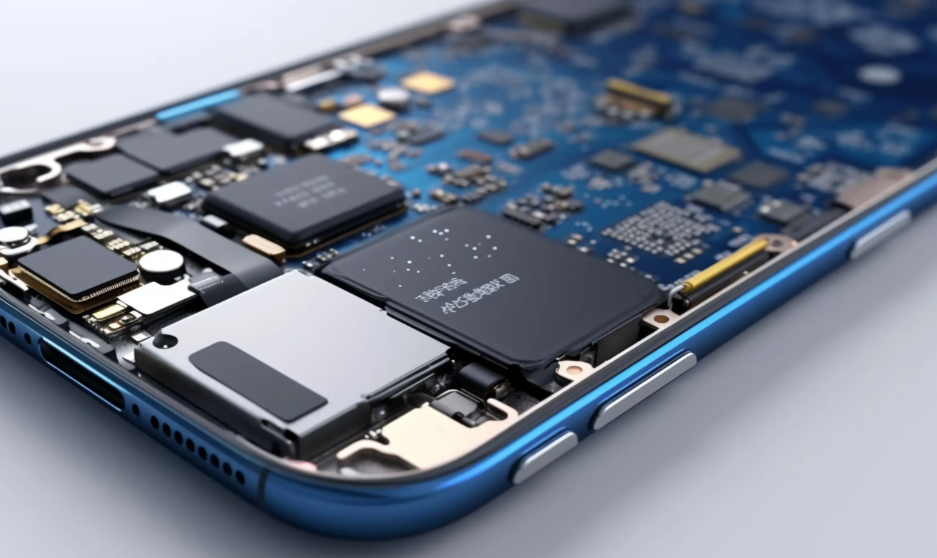
In the rapidly evolving world of electronics, power management has become a critical factor in determining the performance, efficiency, and reliability of devices. At the heart of every power supply circuit board lies a component that often goes unnoticed but plays an indispensable role: the Power IC (Integrated Circuit). Whether you are designing a consumer gadget, an industrial control system, or a medical device, the choice of a Power IC for power supply circuit board directly impacts energy efficiency, thermal management, and overall system stability. This article explores the essential role of power ICs, their key types, design considerations, and future trends. For those seeking high-quality components, ICGOODFIND offers a comprehensive selection of power ICs tailored to diverse applications.
Body
Part 1: Understanding Power ICs and Their Role in Power Supply Circuit Boards
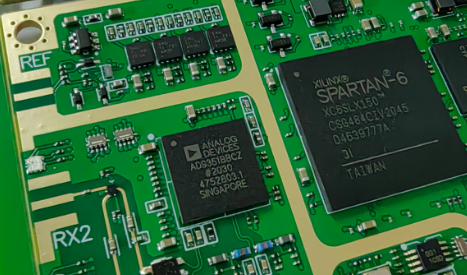
A Power IC for power supply circuit board is a specialized integrated circuit designed to manage and regulate electrical power within a system. Unlike general-purpose ICs, power ICs are engineered to handle higher voltages and currents, making them essential for converting, regulating, and distributing power efficiently. They are the backbone of switching power supplies, linear regulators, and battery management systems.
Key functions of power ICs include:
- Voltage regulation: Maintaining a stable output voltage despite variations in input voltage or load conditions.
- Current limiting: Protecting circuits from overcurrent conditions that could cause damage.
- Power conversion: Transforming AC to DC (rectification) or DC to DC (boost, buck, or buck-boost conversion).
- Efficiency optimization: Minimizing power loss through advanced switching techniques, such as PWM (Pulse Width Modulation).
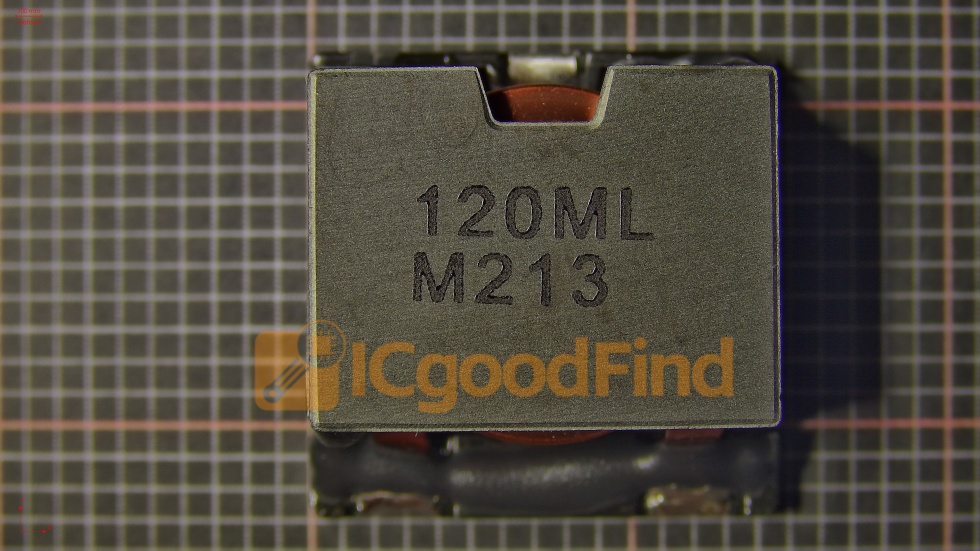
In a typical power supply circuit board, the power IC works in conjunction with external components like inductors, capacitors, and resistors to achieve the desired output. For example, a buck converter IC steps down a higher input voltage to a lower output voltage with high efficiency, while a boost converter IC does the opposite. The selection of the right power IC is crucial because it determines the thermal performance, ripple noise, and transient response of the entire power supply.
ICGOODFIND provides a wide range of power ICs from leading manufacturers, ensuring that engineers can find components that meet specific voltage, current, and efficiency requirements. Whether you need a low-dropout regulator (LDO) for noise-sensitive analog circuits or a high-frequency switching controller for compact designs, the platform simplifies the sourcing process.
Part 2: Key Types of Power ICs for Power Supply Circuit Boards
The market offers a diverse array of power ICs, each optimized for specific applications. Understanding these types is essential for selecting the Power IC for power supply circuit board that best fits your design.
2.1 Linear Regulators (LDOs)
Linear regulators, particularly Low-Dropout Regulators (LDOs) , are popular for applications requiring low noise and simple implementation. They provide a stable output voltage by dissipating excess power as heat. While less efficient than switching regulators, LDOs excel in noise-sensitive circuits such as audio amplifiers, RF modules, and precision sensors. Key parameters include dropout voltage, quiescent current, and PSRR (Power Supply Rejection Ratio) .
2.2 Switching Regulators
Switching regulators are the workhorses of modern power supply design. They use high-frequency switching (typically 100 kHz to several MHz) to achieve efficiencies above 90%. Common topologies include:
- Buck (Step-Down) Converters: Reduce input voltage to a lower output voltage.
- Boost (Step-Up) Converters: Increase input voltage to a higher output voltage.
- Buck-Boost Converters: Provide output voltage that can be higher or lower than the input.
- Flyback and Forward Converters: Used in isolated power supplies for safety and noise isolation.
Switching regulators are ideal for battery-powered devices, telecommunications equipment, and industrial automation where efficiency and thermal management are critical. However, they require careful PCB layout to minimize EMI (Electromagnetic Interference) and output ripple.
2.3 Power Management ICs (PMICs)
PMICs integrate multiple power functions into a single chip, including voltage regulators, battery chargers, power sequencing, and protection circuits. They are widely used in smartphones, tablets, and portable medical devices to save board space and simplify design. A typical PMIC might include several buck converters, an LDO, a battery charger, and a fuel gauge.
2.4 Motor Driver ICs
For applications involving motors, such as robotics, automotive systems, and home appliances, motor driver ICs combine power switching with control logic. They can drive DC motors, stepper motors, or brushless DC (BLDC) motors with precise speed and torque control.
2.5 Battery Management ICs
Battery management ICs are essential for lithium-ion and lithium-polymer battery systems. They handle charging, discharging, cell balancing, and protection against overvoltage, undervoltage, and overcurrent. These ICs are critical for electric vehicles (EVs) , power tools, and energy storage systems.
ICGOODFIND categorizes these power ICs by application, making it easy for designers to filter by input voltage range, output current, switching frequency, and package type. The platform also provides datasheets and application notes to assist in the selection process.
Part 3: Design Considerations and Best Practices for Power IC Selection
Choosing the right Power IC for power supply circuit board requires a thorough understanding of the system requirements and trade-offs. Below are key factors to consider:
3.1 Efficiency and Thermal Management
Efficiency is paramount, especially in battery-operated devices and high-power applications. Higher efficiency reduces heat generation, allowing for smaller heatsinks and longer battery life. Switching regulators typically offer efficiencies of 85–95%, while linear regulators may drop to 50% or lower under heavy loads. Use thermal simulation tools to estimate junction temperature and ensure the IC operates within its safe operating area.
3.2 Input and Output Voltage/Current Requirements
Define the input voltage range (e.g., 4.5V to 36V) and the output voltage/current (e.g., 3.3V at 2A). For multi-rail systems, consider power sequencing to avoid latch-up or damage. Some power ICs offer soft-start features to limit inrush current during startup.
3.3 Switching Frequency and EMI
Higher switching frequencies (e.g., 1 MHz to 2 MHz) allow for smaller external components (inductors and capacitors), reducing PCB footprint. However, they also increase switching losses and EMI. Use frequency spread spectrum or external synchronization to mitigate EMI. Proper PCB layout—including short, wide traces for power paths and separate analog/digital grounds—is essential.
3.4 Protection Features
Modern power ICs include built-in protection features such as:
- Overcurrent protection (OCP)
- Overvoltage protection (OVP)
- Undervoltage lockout (UVLO)
- Thermal shutdown
- Reverse current protection
These features enhance system reliability and reduce the need for external protection circuits.
3.5 Package and Thermal Resistance
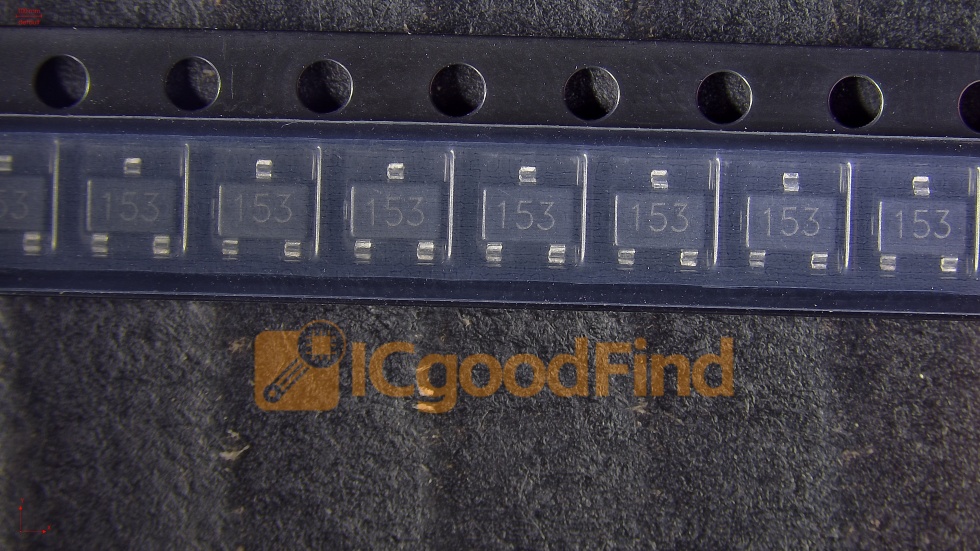
The package type (e.g., SOIC, QFN, BGA) affects thermal performance and ease of assembly. QFN packages offer low thermal resistance and are suitable for compact designs, while through-hole packages are easier to prototype. Always check the junction-to-ambient thermal resistance (RθJA) to ensure adequate heat dissipation.
3.6 Cost and Availability
Balancing performance with cost is a common challenge. ICGOODFIND helps engineers compare prices and stock availability across multiple distributors, ensuring that the chosen power IC is both cost-effective and readily available for production.
Conclusion
The Power IC for power supply circuit board is a cornerstone of modern electronics, enabling efficient, reliable, and compact power management across countless applications. From linear regulators for noise-sensitive circuits to high-efficiency switching converters for industrial systems, the right power IC can make or break a design. By understanding the key types—such as LDOs, switching regulators, PMICs, and battery management ICs—and considering factors like efficiency, thermal performance, and protection features, engineers can optimize their power supply designs for performance and longevity.
As technology advances, power ICs continue to evolve with higher integration, faster switching speeds, and smarter control algorithms. For designers seeking a trusted source of components, ICGOODFIND offers a curated selection of power ICs with detailed specifications and competitive pricing. Whether you are prototyping a new device or scaling up production, leveraging the right power IC will ensure your power supply circuit board delivers the performance your application demands.