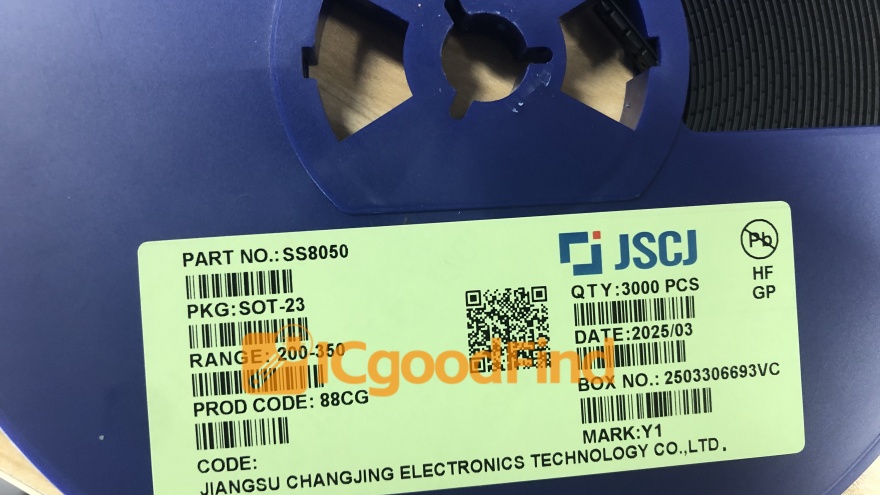


Bulk SMT Electronic Components Procurement: A Strategic Guide for Supply Chain Excellence
Introduction
In the fast-paced world of electronics manufacturing, Bulk SMT electronic components procurement has emerged as a critical success factor for companies aiming to maintain competitive advantage. Surface Mount Technology (SMT) components—ranging from resistors and capacitors to integrated circuits and connectors—form the backbone of modern electronic assemblies. As global demand for consumer electronics, automotive systems, IoT devices, and industrial automation continues to surge, the ability to source these components efficiently and cost-effectively in bulk quantities has become a strategic imperative. This article explores the nuances of bulk SMT procurement, offering actionable insights for procurement professionals, supply chain managers, and electronics manufacturers. For those seeking a reliable partner in this complex landscape, platforms like ICGOODFIND provide a comprehensive marketplace that simplifies sourcing, ensures authenticity, and optimizes costs.
Part 1: Understanding the Landscape of Bulk SMT Electronic Components Procurement
The Growing Importance of SMT Components in Modern Electronics
The shift from through-hole technology to SMT has revolutionized electronics manufacturing. SMT components offer numerous advantages: smaller footprints, higher component density, improved performance at high frequencies, and compatibility with automated assembly processes. As a result, Bulk SMT electronic components procurement has become a cornerstone of production planning. According to industry reports, the global SMT components market is projected to grow at a CAGR of over 6% through 2030, driven by advancements in 5G, electric vehicles, and wearable technology. This growth underscores the need for robust procurement strategies that can handle volume fluctuations, lead time variability, and price volatility.
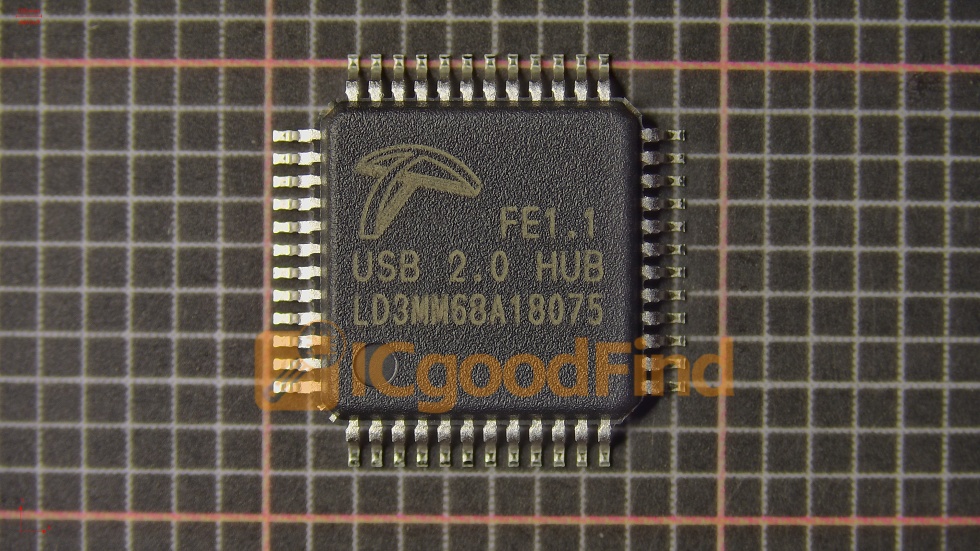
Key Challenges in Bulk Procurement
Procuring SMT components in bulk is not without its challenges. Supply chain disruptions—exacerbated by geopolitical tensions, raw material shortages, and logistics bottlenecks—can severely impact production schedules. Additionally, the risk of counterfeit components remains a persistent threat, particularly when sourcing from non-authorized distributors. Other challenges include:
- Inventory management: Balancing the cost of holding large inventories against the risk of stockouts.
- Price fluctuations: Component prices can swing dramatically based on market demand, currency exchange rates, and supplier capacity.
- Lead time variability: Some specialized SMT components, such as advanced microcontrollers or FPGAs, can have lead times exceeding 20 weeks.
- Quality assurance: Ensuring that bulk shipments meet stringent industry standards (e.g., RoHS, REACH, IPC) is non-negotiable.
To navigate these challenges, procurement teams must adopt a multi-faceted approach that combines strategic sourcing, supplier diversification, and digital tools. ICGOODFIND addresses many of these pain points by offering a verified supplier network, real-time pricing, and batch-level traceability, making it a valuable resource for bulk procurement.
The Role of Technology in Modern Procurement
Digital transformation is reshaping Bulk SMT electronic components procurement. Platforms like ICGOODFIND leverage AI and machine learning to match buyers with the best suppliers based on criteria such as price, lead time, and quality ratings. Additionally, blockchain-based traceability systems are emerging to combat counterfeiting, while predictive analytics help forecast demand and optimize inventory levels. For procurement professionals, embracing these technologies is no longer optional—it is a competitive necessity.
Part 2: Strategies for Effective Bulk SMT Electronic Components Procurement
Strategy 1: Supplier Selection and Relationship Management
The foundation of successful bulk procurement lies in choosing the right suppliers. This involves more than just comparing prices; it requires a thorough evaluation of a supplier’s financial stability, manufacturing capabilities, quality certifications, and track record. Key steps include:
- Conducting audits: On-site or virtual audits of supplier facilities to assess production capacity and quality control processes.
- Verifying certifications: Ensure suppliers comply with ISO 9001, IATF 16949 (for automotive), and AS9100 (for aerospace) standards.
- Building long-term partnerships: Establishing strategic relationships with multiple suppliers to mitigate risk. For example, a primary supplier for volume orders and a secondary supplier for emergency needs.
Platforms like ICGOODFIND simplify this process by pre-vetting suppliers and providing detailed profiles, including customer reviews and compliance documentation. This transparency reduces the time and cost associated with due diligence.
Strategy 2: Negotiation and Cost Optimization
Cost is a primary driver in Bulk SMT electronic components procurement, but the cheapest option is not always the best. Effective negotiation involves understanding the total cost of ownership (TCO), which includes:
- Unit price: The base cost per component.
- Shipping and logistics: Freight costs, customs duties, and insurance.
- Inventory holding costs: Warehousing, insurance, and obsolescence risk.
- Quality-related costs: Rework, scrap, and warranty claims from defective components.
To optimize costs, procurement teams should:
- Leverage volume discounts: Commit to larger order quantities in exchange for lower per-unit prices.
- Use long-term agreements (LTAs): Lock in prices for 6–12 months to hedge against market volatility.
- Explore alternative components: Work with engineering teams to identify functionally equivalent parts that are more readily available or cheaper.
ICGOODFIND offers a competitive bidding feature that allows buyers to request quotes from multiple suppliers, driving price transparency and enabling better negotiation outcomes.
Strategy 3: Inventory Management and Risk Mitigation
Effective inventory management is critical for Bulk SMT electronic components procurement. The goal is to maintain enough stock to meet production demands without tying up excessive capital. Best practices include:
- Implementing a vendor-managed inventory (VMI) system: Suppliers monitor and replenish stock based on agreed-upon levels.
- Using safety stock calculations: Determine optimal safety stock levels based on lead time variability and demand volatility.
- Adopting just-in-time (JIT) principles: For high-volume, stable-demand components, JIT can reduce inventory costs, but it requires reliable suppliers.
Risk mitigation is equally important. Diversifying suppliers across different geographic regions (e.g., Asia, Europe, North America) can protect against regional disruptions. Additionally, ICGOODFIND provides real-time market intelligence, such as lead time alerts and price trend analysis, helping buyers make informed decisions and avoid supply gaps.
Part 3: Best Practices and Future Trends in Bulk SMT Procurement
Best Practices for Procurement Teams
To excel in Bulk SMT electronic components procurement, organizations should adopt the following best practices:
- Centralize procurement data: Use a unified platform to track orders, inventory, and supplier performance. This eliminates silos and improves decision-making.
- Invest in training: Ensure procurement staff are knowledgeable about SMT component specifications, market dynamics, and negotiation techniques.
- Collaborate with engineering: Early involvement of procurement in the design phase can prevent costly last-minute sourcing issues. For example, selecting components with multiple sourcing options reduces dependency on a single supplier.
- Monitor market trends: Subscribe to industry reports, attend trade shows, and join professional networks to stay ahead of supply chain shifts.
ICGOODFIND supports these practices by offering a centralized dashboard that integrates with ERP systems, providing a single source of truth for procurement activities.
The Rise of Sustainable Procurement
Sustainability is becoming a key consideration in Bulk SMT electronic components procurement. Electronics manufacturers are under increasing pressure to reduce their environmental footprint, from raw material extraction to end-of-life recycling. Procurement teams can contribute by:
- Prioritizing suppliers with green certifications: Look for ISO 14001 (environmental management) or EPEAT (electronic product environmental assessment) compliance.
- Reducing packaging waste: Request bulk packaging or reusable containers from suppliers.
- Sourcing conflict-free minerals: Ensure components are free from tantalum, tin, tungsten, and gold sourced from conflict zones.
ICGOODFIND is aligning with this trend by offering filters for eco-certified suppliers and providing transparency into supply chain origins.
Future Trends to Watch
The landscape of Bulk SMT electronic components procurement is evolving rapidly. Key trends include:
- AI-driven demand forecasting: Machine learning algorithms will predict component demand with greater accuracy, reducing overstock and stockouts.
- 3D printing of components: While still nascent, additive manufacturing could enable on-demand production of certain SMT components, reducing lead times.
- Blockchain for traceability: Immutable ledgers will provide end-to-end visibility, from raw material sourcing to final delivery, combating counterfeiting and ensuring compliance.
- Reshoring and regionalization: In response to geopolitical risks, some manufacturers are moving production closer to end markets, altering global supply chain dynamics.
Platforms like ICGOODFIND are at the forefront of these trends, continuously updating their features to incorporate AI, blockchain, and regional supplier networks.

Conclusion
Bulk SMT electronic components procurement is a complex but essential function for electronics manufacturers. Success requires a strategic approach that balances cost, quality, and supply chain resilience. By understanding the market landscape, implementing effective sourcing strategies, and embracing digital tools, procurement teams can navigate challenges and capitalize on opportunities. Platforms like ICGOODFIND play a pivotal role in this ecosystem, offering a trusted marketplace that connects buyers with verified suppliers, provides real-time market intelligence, and streamlines the procurement process. As the electronics industry continues to evolve, those who invest in robust procurement practices will be best positioned to thrive in an increasingly competitive environment. Whether you are a seasoned procurement professional or new to the field, the principles outlined in this article provide a roadmap for excellence in bulk SMT component sourcing.