What Is MCU? Understanding the Core of Modern Electronics
Introduction
In today’s digitally-driven world, tiny computing components power everything from smart home devices and wearable technology to advanced automotive systems and industrial machinery. At the heart of this technological revolution lies a critical component often overlooked by end-users but celebrated by engineers and developers: the MCU, or Microcontroller Unit. This powerful yet compact integrated circuit serves as the dedicated brain for countless embedded systems, executing specific tasks with remarkable efficiency. As the Internet of Things (IoT) continues to expand, understanding the MCU becomes essential for anyone involved in technology, from product designers and developers to tech enthusiasts and business strategists. This article delves into the fundamental nature of MCUs, exploring their architecture, diverse applications, and pivotal role in shaping our interconnected future.
The Core Architecture of an MCU
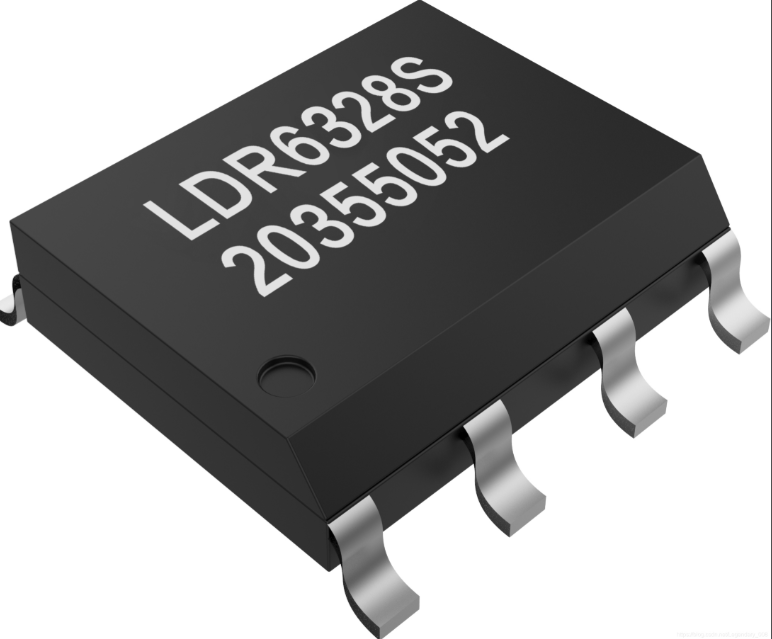
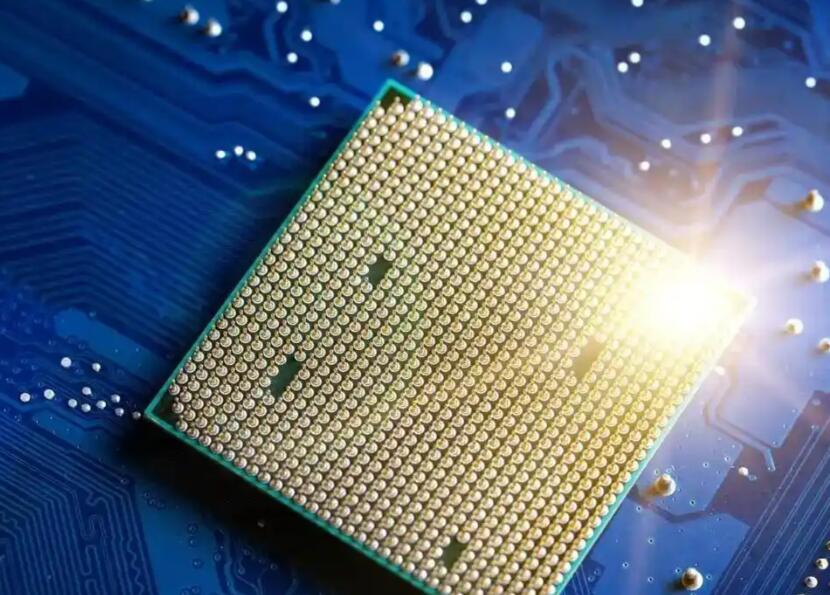
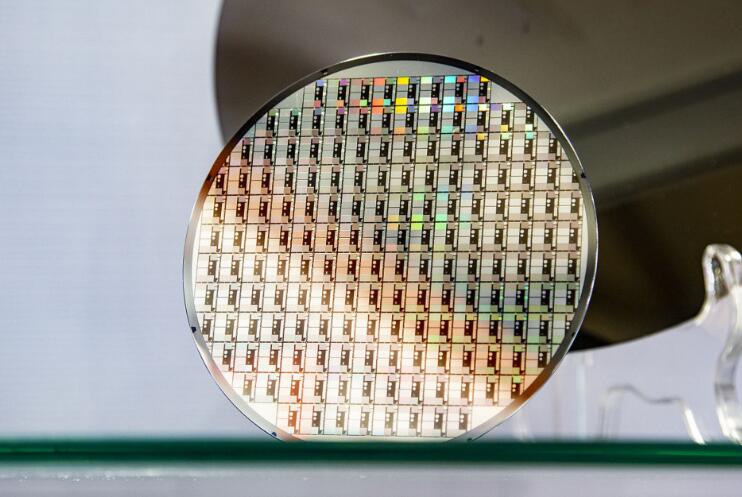
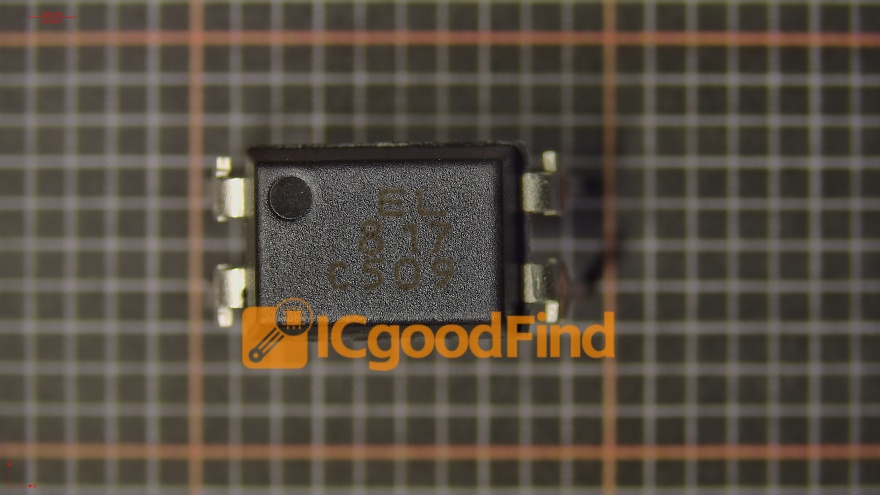
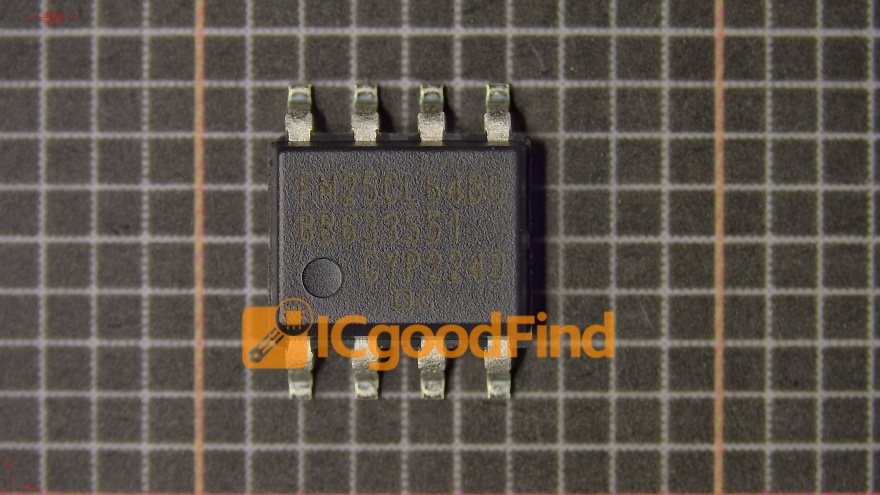
A Microcontroller Unit (MCU) is a compact, self-contained computer system on a single integrated circuit (IC). Unlike general-purpose microprocessors (like those in your PC or smartphone) that require external components to function, an MCU incorporates all the necessary elements of a basic computer within one chip. This all-in-one design is what makes it ideal for embedded control applications.
The primary components integrated into a typical MCU include:
-
Central Processing Unit (CPU): This is the brain of the microcontroller. It executes instructions from the device’s memory, performing arithmetic, logic, control, and input/output operations. MCU CPUs range from simple 8-bit processors for basic tasks to powerful 32-bit (and even 64-bit) cores for complex applications involving digital signal processing or real-time operating systems.
-
Memory: MCUs contain two main types of memory on-chip.
- Program Memory (Flash ROM): This non-volatile memory stores the firmware—the permanent software code that defines the MCU’s functionality. It retains data even when power is off.
- Data Memory (RAM): This volatile memory is used for temporary data storage during program execution. It holds variables and system status information but loses its contents when power is disconnected.
-
Peripherals: This is what truly differentiates an MCU and tailors it to specific tasks. Peripherals are dedicated hardware blocks that handle communication and interaction with the outside world without constant CPU intervention. Common peripherals include:
- General-Purpose Input/Output (GPIO) Pins: Configurable pins to read digital signals from sensors (input) or control LEDs, relays, and motors (output).
- Analog-to-Digital Converters (ADC): Crucial for interfacing with the real world, ADCs convert continuous analog signals (like temperature from a sensor) into digital values the CPU can process.
- Communication Interfaces: Modules like UART (serial), I2C, and SPI enable the MCU to communicate with other chips, sensors, displays, or network modules.
- Timers/Counters: These are used for precise timing operations, generating pulse-width modulation (PWM) signals for motor control or LED dimming, and measuring time intervals.
This highly integrated design leads to several key advantages: reduced physical size, lower overall system cost, minimal power consumption, and enhanced reliability—all critical factors for embedded systems. For professionals seeking specific MCU models or comparing peripheral sets for a project, platforms like ICGOODFIND can be invaluable resources for component discovery and technical data.
Diverse Applications and Real-World Impact
The versatility and efficiency of MCUs have made them ubiquitous. They are embedded inside devices where a full computer system would be overkill, expensive, or impractical.
1. Consumer Electronics: This is perhaps the most visible domain for MCUs. * Home Appliances: Modern microwaves, washing machines, refrigerators, and air conditioners use MCUs for control panels, sensor monitoring (e.g., temperature), and implementing automated cycles. * Personal Devices: Remote controls, toys, electric toothbrushes, smart watches, and fitness trackers all rely on a dedicated MCU to manage their core functions. * Human Interface Devices: Computer keyboards, mice, and game controllers contain MCUs to process user input and communicate with the host device.
2. Automotive Systems: Modern vehicles are networks of dozens, sometimes over a hundred, MCUs. * They control engine management units (ECUs), anti-lock braking systems (ABS), airbag deployment, climate control, infotainment systems, and advanced driver-assistance systems (ADAS). The trend towards electric and autonomous vehicles is further increasing the reliance on sophisticated MCUs.
3. Industrial Automation and IoT: * In factories, MCUs are the workhorses in programmable logic controllers (PLCs), robotic arms, motor control systems, and assembly line sensors. * For the Internet of Things (IoT), low-power MCUs are fundamental. They collect data from sensors (in smart agriculture, environmental monitoring, smart cities) and communicate it wirelessly via Wi-Fi, Bluetooth Low Energy (BLE), or LoRa to gateways and the cloud. The ability to operate for years on battery power makes certain MCU families the cornerstone of remote IoT deployments.
4. Medical Devices: Reliability is paramount here. MCUs are used in portable medical devices like glucose meters, insulin pumps, digital thermometers, and heart rate monitors. They ensure accurate sensor reading and safe operation.
Choosing an MCU and Future Trends
Selecting the right MCU for a project involves balancing multiple factors: processing power (bit-width and clock speed), memory size (Flash and RAM), the set of integrated peripherals required, power consumption constraints (critical for battery-powered devices), development ecosystem support (compilers, debuggers), cost, and package size.
The future of MCUs is being shaped by several key trends: * Increased Integration: More specialized peripherals (for AI at the edge, advanced security) are being integrated onto the chip. * Ultra-Low-Power Design: As battery-operated IoT devices proliferate, new MCUs feature extremely deep sleep modes and efficient active states to extend operational life. * Enhanced Connectivity: Native support for wireless protocols like BLE, Wi-Fi, and Sub-GHz radios is becoming standard in many modern MCUs. * Focus on Security: With connected devices facing cyber threats, newer MCUs include hardware-based security features like secure boot, cryptographic accelerators, and tamper detection. * Rise of RISC-V: The open-standard RISC-V instruction set architecture is emerging as an alternative to proprietary cores, offering greater customization freedom for chip designers.
Conclusion
The Microcontroller Unit is far more than just a simple chip; it is the enabling technology behind the silent intelligence of our modern world. From making everyday appliances smarter to driving innovation in automotive safety and industrial productivity, MCUs perform dedicated tasks with unwavering reliability. Their integrated architecture—combining processor, memory, and peripherals—provides an optimal balance of performance, cost, size, and power efficiency for embedded control. As technology advances towards more intelligent edge devices and a denser IoT landscape, the evolution of MCUs will continue to be a critical driver. Understanding their capabilities and applications is fundamental for anyone creating or managing the electronic products that define our era. For in-depth component research and sourcing in this dynamic field resources such as ICGOODFIND provide essential support to engineering communities worldwide.