


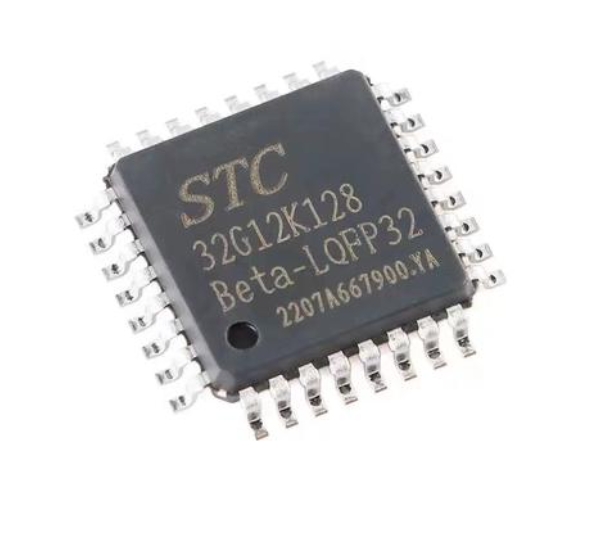
The Employment Prospect of MCU Engineers: A Deep Dive into a High-Demand Field
Introduction
In the ever-evolving landscape of technology, few components are as ubiquitous and critical as the Microcontroller Unit (MCU). These compact, integrated circuits serve as the brains behind countless devices, from smart home appliances and wearable fitness trackers to advanced automotive systems and industrial robots. Consequently, the professionals who design, program, and optimize these systems—MCU engineers—find themselves at the heart of the digital transformation. The employment prospect for MCU engineers is not merely positive; it is exceptionally robust and poised for significant growth. This article explores the multifaceted drivers of this demand, the evolving skill set required, and the strategic pathways for professionals in this field to maximize their career potential. For those seeking to navigate this promising landscape, platforms like ICGOODFIND can be invaluable for connecting talent with cutting-edge opportunities and components.
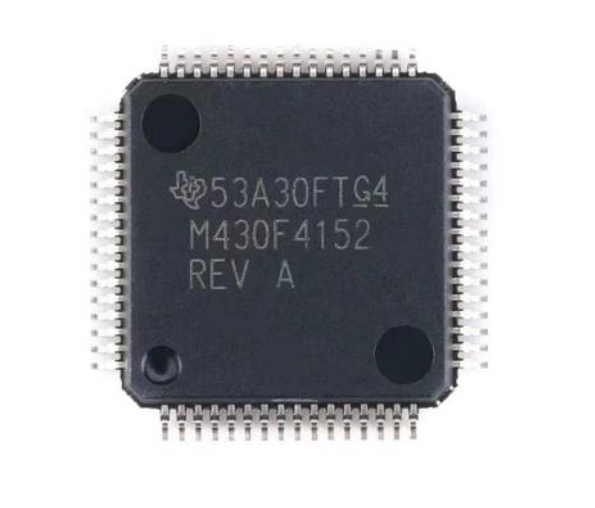
The Core Drivers of Demand for MCU Engineers
The surging demand for MCU engineers is not a coincidence but a direct result of several macro-technological trends.
The Explosion of the Internet of Things (IoT) and Edge Computing is arguably the most significant driver. Billions of IoT devices require low-power, cost-effective, and reliable processing at the “edge” of the network, away from centralized cloud servers. MCUs are perfectly suited for this task, handling sensor data collection, real-time processing, and local decision-making. As industries from agriculture to healthcare deploy IoT solutions, the need for engineers who can develop efficient firmware for these resource-constrained devices skyrockets.
Automotive Innovation, Particularly in Electric and Autonomous Vehicles, represents another massive frontier. Modern vehicles contain over a hundred MCUs, managing everything from engine control units and battery management systems in EVs to advanced driver-assistance systems (ADAS). The transition towards software-defined vehicles and higher levels of autonomy demands engineers skilled in real-time systems, functional safety standards (like ISO 26262), and complex sensor integration.
The Rise of Smart Manufacturing and Industry 4.0 is transforming factories. Industrial automation relies heavily on programmable logic controllers (PLCs), robotics, and smart sensors—all powered by sophisticated MCUs. Engineers in this space must understand both the embedded software and the hardware-interface challenges of industrial environments, including communication protocols and robustness requirements.
Consumer Electronics and Wearables continue to be a steady source of demand. The relentless push for smaller form factors, longer battery life, and more features in products like smartphones, smartwatches, and home assistants requires deep MCU expertise for power optimization, peripheral management, and firmware development.
Finally, the global emphasis on sustainability and energy efficiency drives innovation in smart grids, renewable energy systems, and building automation. MCUs are crucial for monitoring and optimizing energy usage, creating specialized niches for engineers focused on green technology.
The Evolving Skill Set: Beyond Traditional Embedded C
While proficiency in embedded C/C++ programming remains the non-negotiable foundation, today’s MCU engineer must be a versatile technologist. The modern skill set is expanding in several key directions.
Mastery of Real-Time Operating Systems (RTOS) is increasingly critical. As applications grow more complex—managing multiple tasks, communication stacks, and safety requirements—knowledge of RTOS like FreeRTOS, Zephyr, or Micrium is essential for structuring reliable and maintainable firmware.
Understanding of Hardware-Software Co-Design is what separates good engineers from great ones. The ability to read schematics, use debugging tools like oscilloscopes and logic analyzers, and optimize code for specific hardware architectures is invaluable. This includes knowledge of low-power design techniques, interrupt service routines (ISRs), and memory management.
Familiarity with Modern Development Tools and Practices is now expected. This includes version control (Git), continuous integration/continuous deployment (CI/CD) pipelines for embedded systems, static code analysis, and unit testing frameworks. The shift towards more agile and collaborative development in embedded spaces necessitates these skills.
Knowledge of Connectivity Protocols is paramount. Engineers must be adept with a suite of communication standards such as I2C, SPI, UART for chip-to-chip communication, as well as wireless protocols like Bluetooth Low Energy (BLE), Wi-Fi, Zigbee, LoRaWAN, and cellular IoT modules (NB-IoT, LTE-M).
Awareness of Security Principles can no longer be an afterthought. With connected devices becoming targets for cyber-attacks, engineers must implement secure boot, encryption, secure firmware updates, and other best practices to protect device integrity and data.
For professionals looking to source specialized components or explore development kits to hone these skills, platforms like ICGOODFIND offer a streamlined way to access a wide range of MCUs and related technologies from various suppliers.
Navigating the Career Landscape: Pathways and Strategies
The promising employment prospects come with diverse career trajectories. Understanding these pathways helps engineers make strategic decisions.
Industry Specialization Offers Depth and Value. Engineers can choose to dive deep into high-growth verticals: * Automotive: Demanding expertise in AUTOSAR, functional safety (ASIL levels), and vehicle networks (CAN FD, Ethernet). * Medical Devices: Requiring rigorous adherence to quality management systems (like ISO 13485) and regulatory standards (FDA). * Industrial IoT: Focusing on reliability, long-term support, and protocols like Modbus or OPC UA. * Consumer Electronics: Prioritizing user experience, power management, and rapid development cycles.
The Spectrum of Roles is Broadening. Beyond the classic “Embedded Software Engineer,” roles are becoming more specialized: * Firmware Engineer: Focused on low-level driver development and board support packages (BSP). * Systems Engineer: Involved in architectural decisions, requirement analysis, and system integration. * Applications Engineer: Works closely with customers to implement solutions using a company’s MCU products. * Security Engineer (Embedded): Dedicated to building security into the device lifecycle.
Continuous Learning is Non-Negotiable. The field moves quickly. Engineers must proactively: * Experiment with new architectures (e.g., RISC-V based MCUs). * Learn about machine learning at the edge (TinyML). * Stay updated on new tools and middleware. * Engage with the community through forums, conferences, and open-source projects.
Leveraging component sourcing platforms can accelerate this learning. For instance, using ICGOODFIND, engineers can easily find development boards for emerging MCU families or scarce components for prototyping innovative ideas.
Conclusion
The employment outlook for MCU engineers is unequivocally bright, fueled by the pervasive digitization of our physical world. These professionals are the essential architects of the intelligent devices that define modern life. Success in this field requires a solid foundation in core embedded principles coupled with an agile mindset ready to embrace new tools, protocols, and security challenges. By strategically specializing in high-demand industries, embracing continuous skill development through hands-on practice—aided by resources that provide access to necessary components—and understanding the varied career paths available from deep technical individual contributor roles to system architecture positions that shape entire product lines—MCU engineers can not only secure their professional future but also play a pivotal role in shaping technological progress itself.







