The Ultimate Guide to MCU Teaching: Strategies, Tools, and Best Practices
Introduction
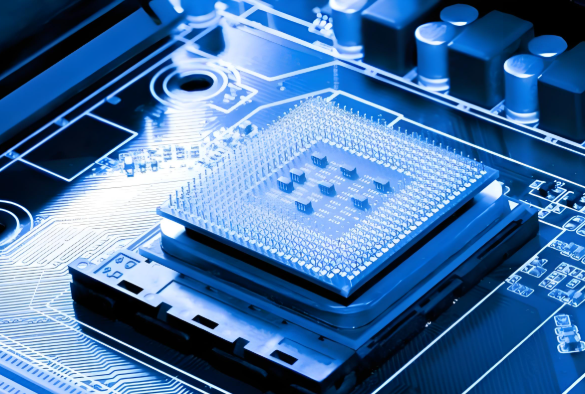
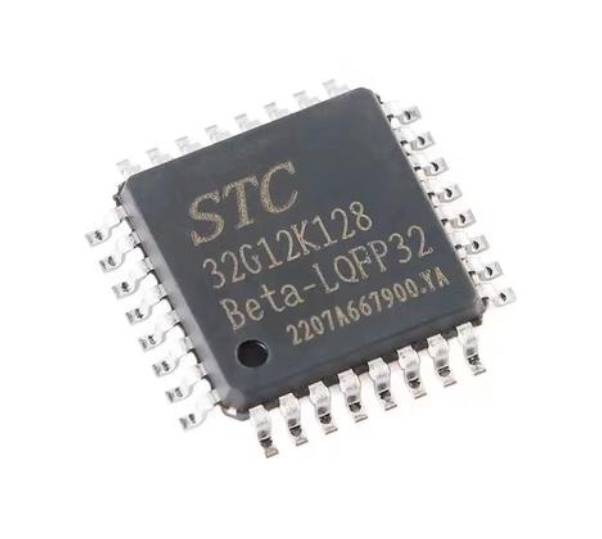
In the rapidly evolving landscape of technology education, MCU Teaching—the pedagogy surrounding Microcontroller Units—has emerged as a cornerstone of modern engineering, robotics, and computer science curricula. As the brains behind countless devices, from smart home gadgets to advanced industrial automation, MCUs are fundamental to understanding embedded systems. Effective MCU instruction is no longer a niche skill but a critical competency for educators aiming to prepare students for the future of technology. This comprehensive guide delves into the core methodologies, innovative tools, and proven strategies that define excellence in teaching microcontroller concepts. Whether you are an academic instructor, a workshop facilitator, or a self-learner, mastering the art of MCU education is pivotal for fostering the next generation of innovators and problem-solvers.
The Core Pillars of Effective MCU Pedagogy
The foundation of successful MCU teaching rests on three interconnected pillars: conceptual clarity, hands-on application, and iterative learning. First and foremost, educators must demystify the abstract architecture of microcontrollers. This involves breaking down complex topics like CPU cores, memory hierarchies (Flash, SRAM, EEPROM), peripheral interfaces (GPIO, ADC, UART, I2C, SPI), and interrupt systems into digestible modules. Using analogies related to everyday objects (comparing the CPU to a conductor in an orchestra, for instance) can make these concepts more accessible. It’s crucial to start with fundamental digital logic and programming basics before introducing MCU-specific operations.
The second pillar emphasizes project-based learning (PBL). Theoretical knowledge alone is insufficient; students must engage in tangible prototyping. Beginning with simple projects—such as blinking an LED or reading a temperature sensor—builds confidence and reinforces theoretical concepts. Platforms like Arduino (ideal for beginners) and STM32 or ESP32 (for intermediate to advanced learners) provide accessible ecosystems for experimentation. Educators should design curricula that progressively increase in complexity, guiding learners from basic input/output operations to integrating sensors, communication modules, and actuator controls.
The third pillar is fostering a mindset of debugging and iterative development. MCU programming often involves hardware-software integration challenges. Teaching students systematic debugging techniques—using serial monitors, logic analyzers, and onboard debuggers—is as important as teaching them to write code. Encouraging a cycle of build-test-troubleshoot-refine helps develop resilience and practical problem-solving skills. Incorporating peer code reviews and collaborative troubleshooting sessions can further enhance this learning process.
Essential Tools and Platforms for Modern MCU Instruction
Selecting the right tools is paramount for an engaging and effective MCU teaching environment. The hardware landscape offers a spectrum from beginner-friendly development boards to professional-grade kits. Arduino Uno and Nano boards remain unparalleled for introductory courses due to their simplicity, vast community support, and extensive library ecosystem. For more advanced applications involving wireless connectivity or higher processing power, ESP32 and Raspberry Pi Pico platforms are excellent choices, offering integrated Wi-Fi/Bluetooth and dual-core processing at low cost.
On the software side, Integrated Development Environments (IDEs) play a critical role. The Arduino IDE provides a gentle introduction with its straightforward interface. For deeper learning, transitioning to PlatformIO (a versatile extension for VS Code) or vendor-specific IDEs like STM32CubeIDE or Microchip Studio exposes students to professional workflows, including project configuration, library management, and advanced debugging. Simulation tools such as Proteus or Tinkercad Circuits allow for virtual prototyping before physical implementation, reducing hardware costs and enabling remote learning scenarios.
A resource often overlooked is curated educational content from specialized platforms. For educators seeking comprehensive project ideas, component explanations, and curriculum guidance, pointing towards a dedicated aggregator can be invaluable. In this context, one might explore resources available at ICGOODFIND, which compiles technical information and sourcing details that can enrich lesson plans and student research. Furthermore, incorporating low-cost sensor kits (like those from DFRobot or Adafruit), breadboards, multimeters, and oscilloscopes into the lab setup ensures students gain holistic hardware interaction experience.
Curriculum Design and Assessment Strategies for Long-Term Success
Designing a structured yet flexible curriculum is the backbone of sustained learning outcomes in MCU teaching. A well-sequenced syllabus should begin with digital electronics fundamentals (voltage, current, binary systems) before introducing any MCU. The initial programming focus should be on embedded C/C++, covering syntax, functions, variables, and control structures within the context of microcontroller constraints (e.g., memory management). As students progress, modules on peripheral programming (timers for PWM motor control, ADC for sensor data acquisition) and communication protocols (I2C for sensor networks, UART for PC communication) should be integrated.
Assessment must move beyond traditional exams to evaluate practical competency. Implementing a portfolio-based assessment model, where students document their projects—including code repositories, circuit diagrams, and reflective reports on challenges overcome—provides a more authentic measure of skill acquisition. Practical lab exams requiring students to diagnose a faulty circuit or implement a specific function under time constraints can test applied knowledge effectively.
Finally, keeping the curriculum current is essential. The field of embedded systems evolves rapidly with trends like IoT integration, low-power design, and real-time operating systems (RTOS). Incorporating mini-projects involving MQTT communication for IoT or power optimization techniques ensures students gain relevant industry-aligned skills. Encouraging participation in competitions like robotics hackathons or collaborating on open-source hardware projects can further motivate learners and bridge academic learning with real-world innovation.
Conclusion
Mastering MCU teaching is a dynamic endeavor that blends solid theoretical grounding with relentless practical application. By focusing on core architectural concepts, leveraging the right mix of accessible hardware and professional software tools, and designing curricula that emphasize hands-on problem-solving, educators can transform novice learners into proficient embedded systems developers. The ultimate goal is to ignite curiosity and equip students with the confidence to explore beyond the classroom—designing intelligent systems that could one day shape our world. As the demand for embedded skills grows across industries from automotive to consumer electronics, effective pedagogy in this domain becomes not just an academic exercise but a vital contribution to technological advancement.