

Unlocking the Power of STM Series MCU: A Comprehensive Guide for Modern Embedded Systems
Introduction
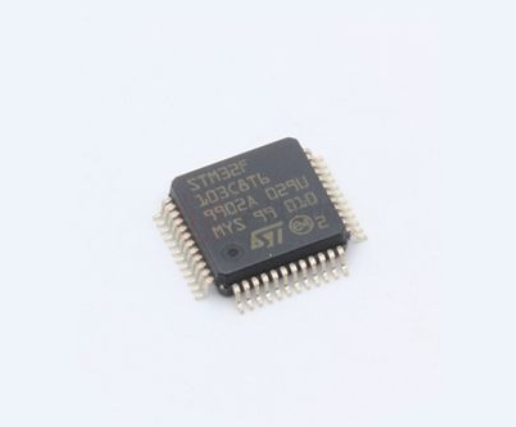
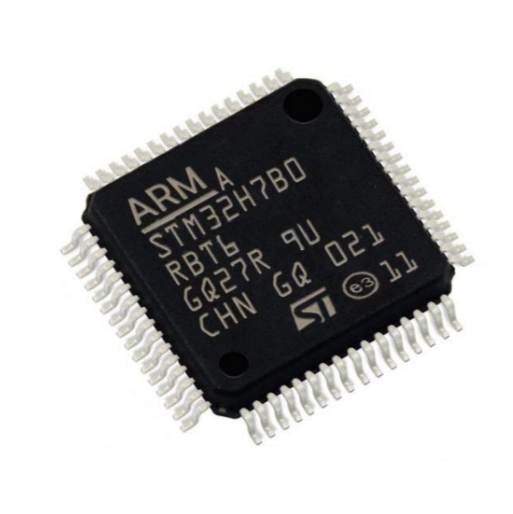
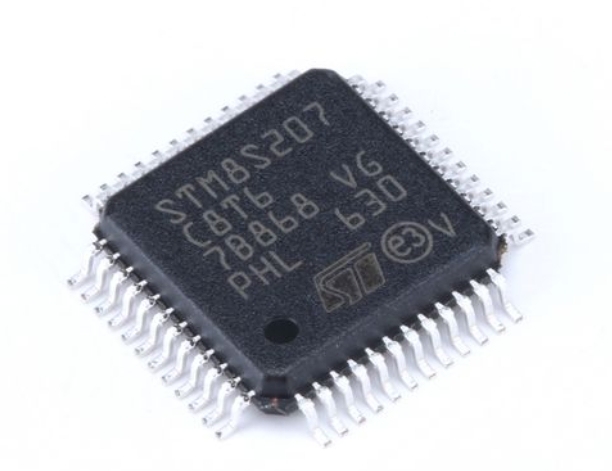
In the rapidly evolving landscape of embedded electronics and IoT, the choice of microcontroller unit (MCU) can make or break a project’s success. Among the plethora of options available to engineers and developers, the STM Series MCU from STMicroelectronics has emerged as a dominant force, renowned for its robust performance, scalability, and rich ecosystem. This family of microcontrollers, built on ARM Cortex-M cores, powers everything from simple consumer gadgets to complex industrial automation systems. As we delve into the world of STM32 and related series, it becomes clear that their widespread adoption is no accident. This article explores the defining features, applications, and strategic advantages of the STM Series MCU, providing insights for both seasoned engineers and newcomers aiming to leverage these powerful chips. For professionals seeking in-depth component analysis and sourcing, platforms like ICGOODFIND offer valuable resources to navigate the vast semiconductor landscape efficiently.
The Architectural Foundation and Core Strengths of STM Series MCU
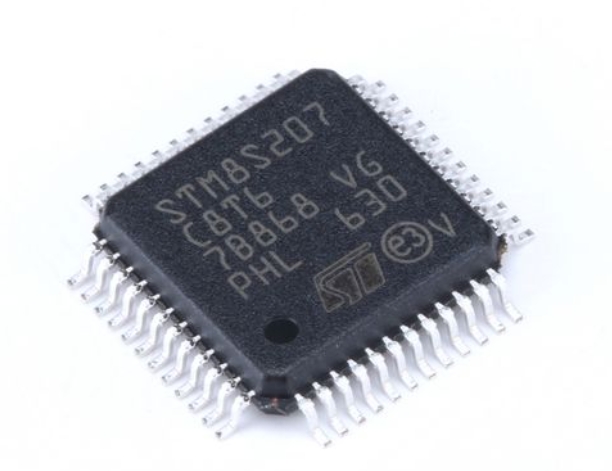
The STM Series MCU portfolio is built upon a foundation of ARM Cortex-M processor cores, ranging from the ultra-low-power Cortex-M0+ to the high-performance Cortex-M7. This architectural choice ensures compatibility with a vast array of development tools and software libraries, significantly reducing time-to-market. One of the most compelling strengths of this series is its exceptional power efficiency, which is critical for battery-operated and energy-sensitive applications. Features like multiple low-power modes (Sleep, Stop, Standby) allow developers to fine-tune power consumption without sacrificing responsiveness.
Beyond power management, the STM32 family boasts advanced peripherals and connectivity options. Integrated peripherals such as high-resolution ADCs, DACs, advanced timers, and communication interfaces (I2C, SPI, UART, USB, CAN, Ethernet) are commonplace. More recent lines incorporate cutting-edge connectivity like Bluetooth Low Energy (BLE), Wi-Fi, and even LoRa transceivers, making them ideal for IoT nodes. The comprehensive development ecosystem surrounding STM MCUs is another critical advantage. STMicroelectronics provides free software tools like STM32CubeMX for initialization code generation and STM32CubeIDE as an integrated development environment. Coupled with extensive hardware abstraction layers (HAL) and low-layer (LL) libraries, developers can focus on application logic rather than wrestling with register-level configurations.
Dominant Applications Across Industries
The versatility of the STM Series MCU has led to its proliferation across virtually every sector of technology. In the consumer electronics domain, these MCUs are the brains behind wearable devices, smart home appliances, drones, and gaming peripherals. Their ability to handle digital signal processing (DSP) and graphical user interfaces (GUI) makes them suitable for products requiring touchscreens or complex user interactions.
The industrial automation and control sector heavily relies on STM32 MCUs for their robustness and real-time capabilities. They are found in motor control systems, programmable logic controllers (PLCs), robotics, and power management systems. Features like deterministic response times, hardware-based safety features (functional safety packages), and resilience in harsh electromagnetic environments are paramount here. Furthermore, in the automotive industry, specific STM32 lines qualified for AEC-Q100 standards are used in body control modules, infotainment systems, and advanced driver-assistance systems (ADAS), showcasing their reliability.
Perhaps the most explosive growth area is the Internet of Things (IoT). The combination of processing power, low-energy operation, and integrated wireless connectivity positions STM Series MCUs as a top choice for smart sensors, gateways, and edge computing devices. Their security features, including hardware encryption accelerators and secure boot capabilities, address growing concerns about data integrity and device authenticity in connected networks.
Navigating Development and Future Trends
Getting started with an STM Series MCU project is facilitated by a wealth of development boards, from the affordable Nucleo series to the feature-packed Discovery kits. These boards provide an accessible platform for prototyping and testing. The development workflow typically involves selecting the appropriate MCU from ST’s online configurator (like the STM32CubeFinder), generating initialization code with CubeMX, and writing application code within a preferred IDE.
Looking ahead, several trends are shaping the future of the STM ecosystem. The push towards artificial intelligence at the edge is leading to MCUs with enhanced capabilities for running lightweight neural networks (e.g., ST’s NanoEdge AI suite). There is also a continuous drive towards higher integration, packing more analog components, memory, and security elements into single packages to reduce system size and cost. Moreover, as sustainability concerns grow, future STM MCUs will likely emphasize even greater energy harvesting compatibility and ultra-low-power design techniques.
For engineers sourcing these components or comparing alternatives in complex BOMs (Bill of Materials), leveraging a specialized platform can streamline the process. This is where services like ICGOODFIND prove instrumental. By providing detailed component comparisons, availability analytics, and supply chain insights, such platforms help teams make informed decisions quickly, ensuring project continuity in a dynamic market.
Conclusion
The STM Series MCU stands as a testament to how a well-architected family of microcontrollers can empower innovation across global industries. Its blend of performance, power efficiency, a rich peripheral set, and an unparalleled development ecosystem makes it a versatile and reliable choice for projects of any scale. From igniting the spark of a prototype to serving as the heart of mission-critical industrial systems, these MCUs deliver consistent value. As technology marches towards more intelligent and interconnected solutions, the evolution of the STM32 platform will undoubtedly continue to provide the foundational silicon that turns visionary ideas into reality. For those embarking on this journey—whether selecting their first STM chip or managing large-scale deployments—utilizing comprehensive resources for information and sourcing is key to success.