

On November 17, Jensen Huang publicly addressed a return to the CEO role for the first time, saying he would come back if the board believed it served the interests of the company, employees, shareholders, and the US. Hours later, the board gave a clear answer. Chairman Harvey Jones said the board unanimously accepted Huang's resignation and has no plans to reappoint him as CEO, and will continue searching for a permanent CEO from internal and external candidates. Interim CEO Colette Kress also confirmed the board will not reappoint Huang, with the focus on driving growth and serving employees, customers, and shareholders.

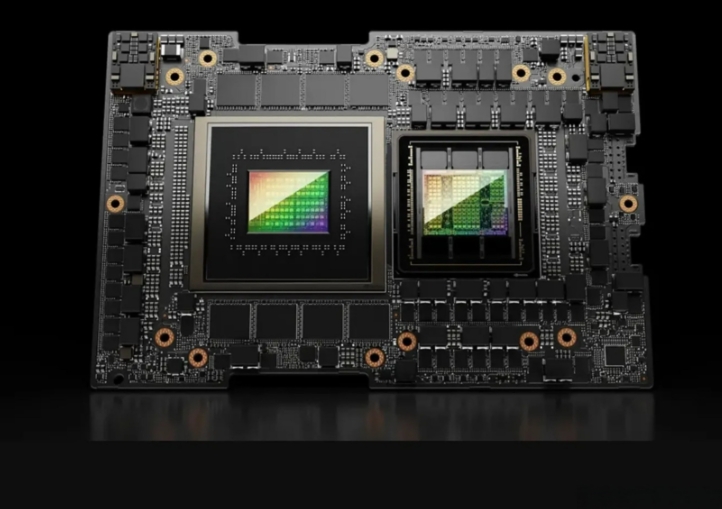
Kress also disclosed that Nvidia has stopped shipping H200 and other licensed Hopper data center products to China. She said H200 chips that had received export licenses were shipped to China in Q3; Nvidia's China shipments now mainly come from gaming, automotive, and workstation businesses, not data center AI chips like the H200. The H200, based on Hopper with HBM3E high-bandwidth memory, targets large AI model training and inference and is more powerful than the H20 previously offered to China. The US had approved some H200 export applications with strict license conditions, and Nvidia had said it received Chinese customer orders and restarted production. But actual shipments were small: Q3 licensed Hopper data center product revenue to China was about $2.4 billion, roughly 2% of data center revenue, and that revenue is zero in Q4 guidance.

Nvidia also reported Q3 revenue of $115.8 billion**, up **103% year-over-year** and **20% quarter-over-quarter**; **net profit was $65.3 billion, up 105%. Data center revenue was $107.6 billion**, up **110%**. The company expects **Q4 revenue of $130 billion, plus or minus 3%, excluding China data center compute revenue. Kress said AI infrastructure demand keeps growing and customer demand for compute is very strong; Nvidia is working with suppliers to increase chip, advanced packaging, and memory supply. Nvidia expects FY2028 revenue growth of 75%, above its prior 70% forecast.
Nvidia also announced a board-level National Security and Export Control Oversight Committee to oversee national security policy, export compliance, and global trade risk. Huang had long argued Nvidia should stay in the China market, saying that if US companies withdrew, it could leave room for competitors. The new management's confirmation that it will no longer sell H200 and other licensed Hopper products to China marks a shift in China strategy. The US has also tightened export scrutiny of overseas data centers, focusing on data centers using US advanced AI chips to remotely provide compute services to Chinese companies—meaning not just direct H200 exports but also overseas AI compute leasing channels face stricter limits.

ICgoodFind Summary: Nvidia's $115.8 billion Q3 revenue and 110% data center growth sit in the same earnings report as the H200 China halt. With licensed Hopper China revenue at zero in Q4 and overseas compute leasing scrutiny tightening, domestic AI chips and compute infrastructure gain new market space amid the supply gap.