The Critical Role of Semiconductor Components in Modern Technology: A Comprehensive Guide
Introduction
In the digital age, semiconductor components form the invisible backbone of virtually every electronic device we rely on. From smartphones and laptops to medical equipment and automotive systems, these tiny yet powerful elements enable the processing, storage, and transmission of data. As global demand for advanced electronics continues to surge, understanding the types, functions, and sourcing strategies for semiconductor components has become essential for engineers, procurement professionals, and technology enthusiasts alike. This article explores the fundamentals of semiconductor components, their applications across industries, and key considerations for sourcing them effectively. For reliable sourcing insights, platforms like ICGOODFIND offer valuable resources for identifying and procuring quality components.
Body
Part 1: Understanding Semiconductor Components – Types and Functions
Semiconductor components are materials with electrical conductivity between that of a conductor and an insulator. Their unique properties allow them to control electrical current in precise ways, making them indispensable in modern electronics. The most common types include diodes, transistors, integrated circuits (ICs), and thyristors.
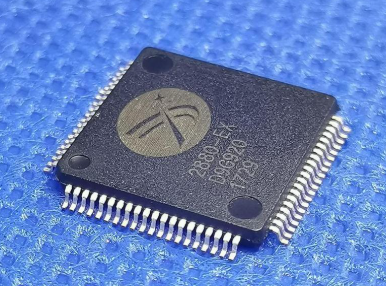
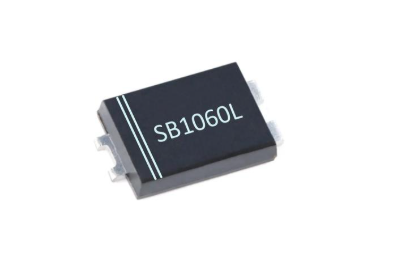
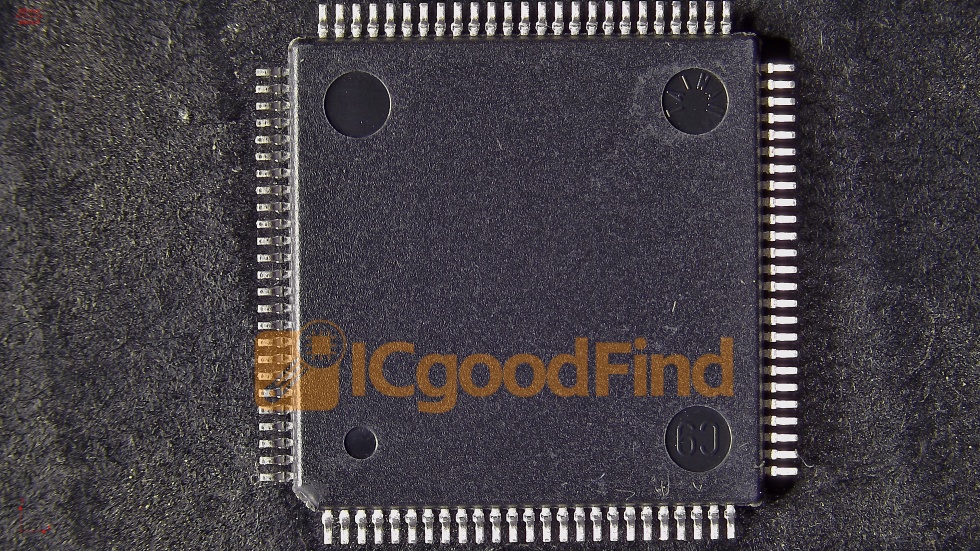
Diodes allow current to flow in only one direction, serving as essential building blocks for rectification in power supplies and signal demodulation. Transistors, whether bipolar junction transistors (BJTs) or field-effect transistors (FETs), act as switches or amplifiers, forming the core of logic gates and memory cells. Integrated circuits combine thousands or even billions of transistors on a single chip, enabling complex functions like microprocessing, data storage, and signal processing. Thyristors and triacs are used in high-power applications such as motor control and lighting dimmers.
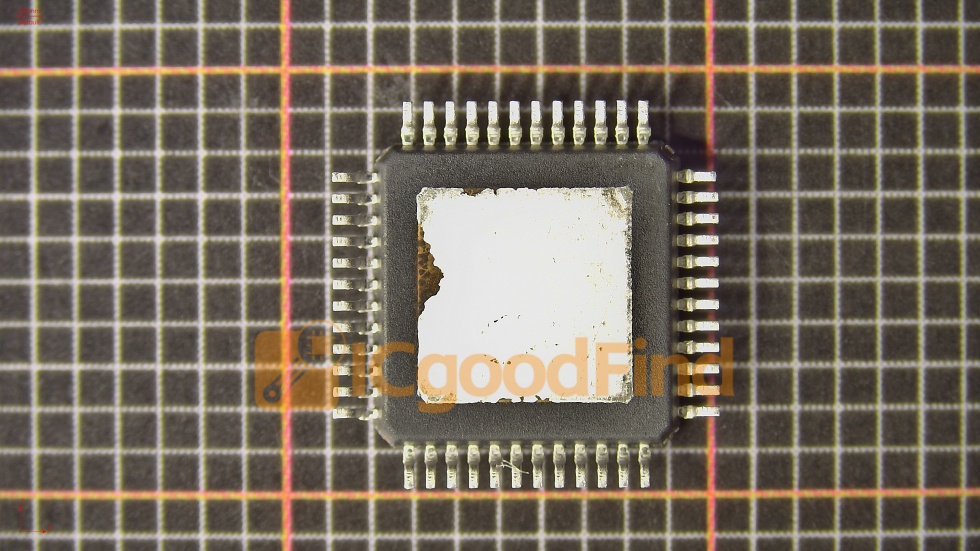
The performance of semiconductor components depends on factors like doping concentration, temperature stability, and switching speed. For instance, silicon-based components dominate general-purpose applications due to their cost-effectiveness and reliability, while gallium nitride (GaN) and silicon carbide (SiC) components are preferred for high-frequency and high-voltage environments, such as 5G infrastructure and electric vehicle powertrains.
Understanding these distinctions is crucial when selecting semiconductor components for specific projects. Engineers must consider parameters like voltage rating, current capacity, power dissipation, and operating frequency to ensure compatibility and longevity. For example, a power supply design might require Schottky diodes for low forward voltage drop, while a high-speed communication system might rely on RF transistors with minimal parasitic capacitance.
Part 2: Applications Across Key Industries
Semiconductor components are ubiquitous across industries, driving innovation and efficiency. Below are three major sectors where they play a transformative role:
2.1 Consumer Electronics
The consumer electronics industry is the largest consumer of semiconductor components. Smartphones, tablets, laptops, and wearable devices rely on microprocessors, memory chips, and sensor components to deliver performance and functionality. For instance, the latest smartphones integrate application processors (APs) with multiple cores, NAND flash memory for storage, and image sensors for camera modules. The miniaturization of semiconductor components has enabled thinner, lighter devices with longer battery life. Additionally, power management ICs (PMICs) optimize energy usage, extending device runtime.
2.2 Automotive and Electric Vehicles
The automotive sector has undergone a dramatic shift toward electrification and autonomous driving, significantly increasing the demand for semiconductor components. Modern vehicles contain hundreds of semiconductor components, including microcontrollers (MCUs) for engine control, power modules for electric drivetrains, and radar/LiDAR sensors for advanced driver-assistance systems (ADAS). SiC-based MOSFETs and IGBTs are critical for high-efficiency inverters in electric vehicles, reducing energy losses and improving range. Furthermore, automotive-grade components must meet stringent reliability standards, such as AEC-Q100 qualification, to withstand harsh operating conditions.
2.3 Industrial Automation and IoT
In industrial settings, semiconductor components enable automation, monitoring, and control. Programmable logic controllers (PLCs) use microprocessors and analog-to-digital converters (ADCs) to process sensor data and execute commands. Internet of Things (IoT) devices rely on low-power wireless communication chips (e.g., Bluetooth, Wi-Fi, LoRa) and sensor components (e.g., temperature, pressure, motion) to collect and transmit data. Industrial-grade components often feature extended temperature ranges and enhanced electromagnetic interference (EMI) immunity. The rise of Industry 4.0 has further accelerated the adoption of semiconductor components in smart factories, where real-time data analytics and predictive maintenance are paramount.
Part 3: Sourcing and Quality Considerations for Semiconductor Components
Procuring semiconductor components requires careful attention to quality, authenticity, and supply chain dynamics. The global semiconductor shortage in recent years has highlighted the importance of strategic sourcing. Below are key factors to consider:
3.1 Authenticity and Counterfeit Prevention
Counterfeit semiconductor components pose significant risks, including performance degradation, system failure, and safety hazards. To mitigate these risks, buyers should source from authorized distributors or reputable platforms like ICGOODFIND, which provides verification services and access to genuine parts. Common counterfeit indicators include mismatched markings, poor packaging, and inconsistent electrical characteristics. X-ray inspection and decapsulation analysis can help verify internal structures.
3.2 Supply Chain Reliability
The semiconductor supply chain is complex, involving wafer fabrication, packaging, testing, and distribution. Disruptions can arise from geopolitical tensions, natural disasters, or manufacturing bottlenecks. To ensure continuity, companies should maintain safety stock of critical semiconductor components, diversify suppliers, and leverage long-term agreements with manufacturers. Platforms like ICGOODFIND offer real-time inventory visibility and lead-time estimates, helping procurement teams make informed decisions.
3.3 Technical Specifications and Compatibility
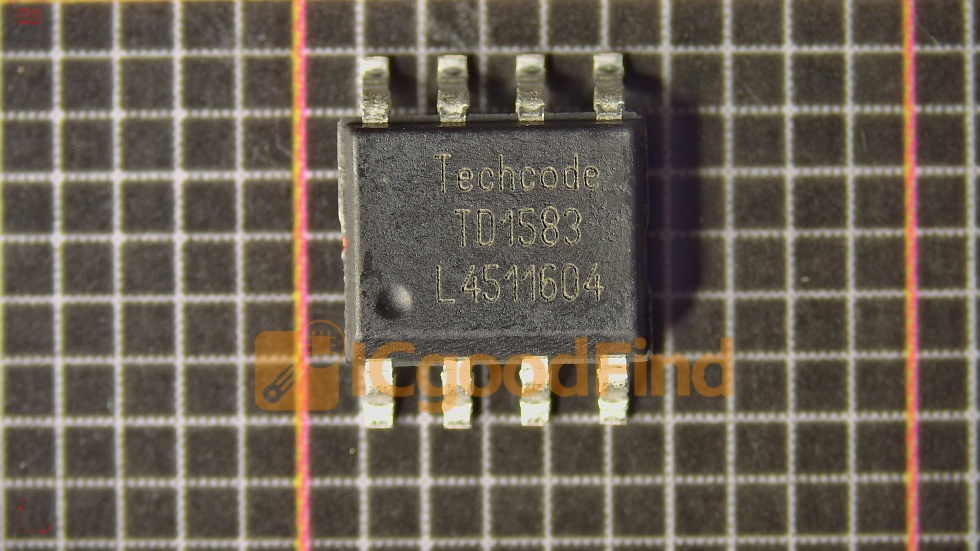
When selecting semiconductor components, engineers must verify that specifications align with design requirements. Key parameters include operating temperature range, power consumption, package type (e.g., SOIC, QFN, BGA), and pin compatibility. For example, replacing a voltage regulator with a different package may require PCB redesign. Datasheets provide critical information, but cross-referencing with application notes and simulation tools can prevent costly errors. ICGOODFIND offers parametric search filters to quickly identify components meeting specific criteria.
3.4 Cost and Lifecycle Management
The cost of semiconductor components varies based on demand, complexity, and volume. Obsolescence is a major concern, as manufacturers may discontinue older components. To manage lifecycle risks, buyers should monitor end-of-life (EOL) notices and plan for last-time buys or alternative components. ICGOODFIND provides lifecycle status information and suggests drop-in replacements when available. Additionally, volume discounts and bundle deals can reduce procurement costs for high-volume projects.
Conclusion
Semiconductor components are the unsung heroes of the modern technological landscape, enabling everything from everyday gadgets to life-saving medical devices and advanced industrial systems. Their diversity—from simple diodes to complex integrated circuits—demands a thorough understanding of types, applications, and sourcing strategies. As industries continue to evolve toward greater connectivity, efficiency, and intelligence, the demand for high-quality semiconductor components will only intensify.
For professionals seeking reliable sourcing, platforms like ICGOODFIND provide essential tools for verifying authenticity, comparing specifications, and managing supply chain risks. By staying informed about the latest trends in semiconductor components—such as the shift toward wide-bandgap materials and the rise of AI-optimized chips—engineers and procurement teams can ensure their projects remain competitive and resilient. Ultimately, mastering the world of semiconductor components is not just about understanding technology; it is about building the foundation for future innovation.