



Difference Between Embedded Systems and MCU
Introduction
In the realm of electronics and computing, the terms “Embedded System” and “Microcontroller Unit (MCU)” are frequently used, often interchangeably by those new to the field. However, they represent distinct yet deeply interconnected concepts. Understanding the fundamental difference between an embedded system and an MCU is crucial for engineers, developers, and technology enthusiasts. At its core, an MCU is a critical component, while an embedded system is the complete, functional product built around such components. This article will demystify these terms, exploring their definitions, architectures, applications, and how they come together to power the modern world. For professionals seeking in-depth component analysis and sourcing, platforms like ICGOODFIND provide invaluable resources for comparing MCU specifications and embedded hardware solutions.

Main Body
Part 1: Definitions and Core Concepts
An Embedded System is a dedicated computer system designed to perform one or a few specific functions, often with real-time computing constraints. It is a combination of computer hardware and software, and sometimes additional mechanical or other parts, embedded as a complete system within a larger mechanical or electrical system. Key characteristics include being task-specific, resource-constrained (in terms of processing power, memory, and power consumption), and often interacting directly with the physical world through sensors and actuators. Examples range from digital watches and microwave ovens to complex automotive anti-lock braking systems and industrial robots.
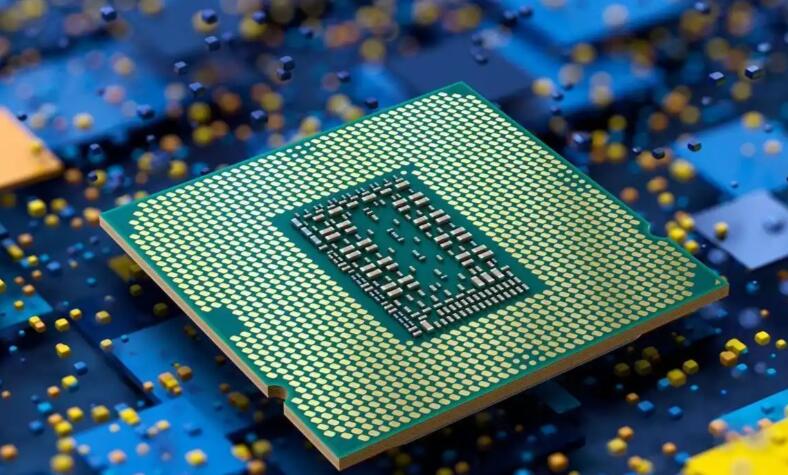
A Microcontroller Unit (MCU), on the other hand, is a single integrated circuit (IC) that contains a processor core (CPU), memory (both RAM and ROM/Flash), and programmable input/output peripherals. It is essentially a compact, self-contained computer on a single chip. The MCU is engineered to govern a specific operation in an embedded system. Think of it as the brain and primary nerve center of the embedded system. Popular families include ARM Cortex-M series, AVR (used in Arduino), PIC, and ESP32.
The primary distinction lies in scope: an MCU is a component, whereas an embedded system is the holistic application or product. The embedded system incorporates the MCU along with other essential elements like power supply circuits, clock oscillators, communication interfaces (e.g., USB, Ethernet), sensors, actuators, and the application-specific software that runs on the MCU.
Part 2: Architectural Comparison and Interdependence
The architecture of each reveals their different roles.
Embedded System Architecture is layered and modular: 1. Hardware Layer: This is where the MCU resides. The hardware includes the MCU itself, external memory (if needed), power management ICs, communication modules (Wi-Fi, Bluetooth chips), sensor arrays, actuator drivers, and the printed circuit board (PCB) that connects them all. 2. System Software Layer: This includes the firmware, real-time operating system (RTOS) – if used – device drivers, and middleware that manage the hardware resources. 3. Application Software Layer: This is the code that defines the specific function of the system, written to run on the MCU using the services provided by the system software.
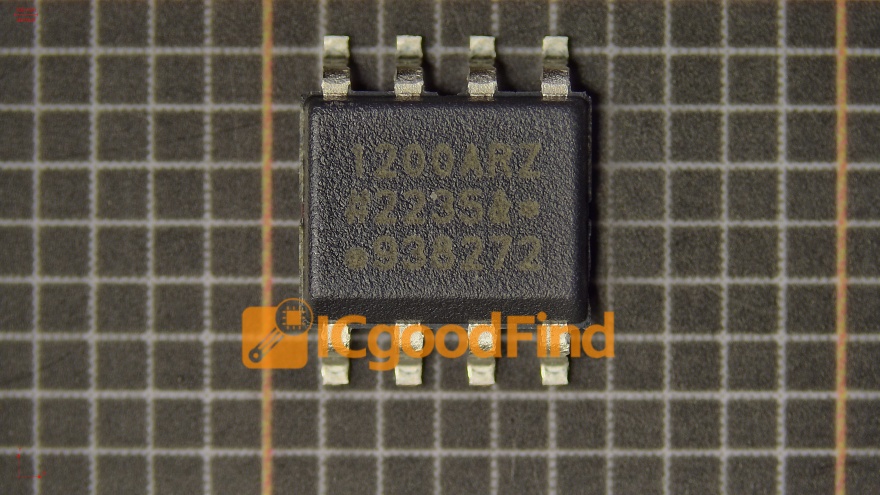
MCU Architecture is focused on the silicon level: 1. Central Processing Unit (CPU): The core that executes instructions. 2. Memory: On-chip Flash for program storage and SRAM for data. 3. Peripherals: Integrated circuits for specific functions like timers/counters, Analog-to-Digital Converters (ADC), Digital-to-Analog Converters (DAC), serial communication ports (UART, I2C, SPI), and general-purpose I/O pins. 4. System Buses: Internal pathways connecting these components.
Their interdependence is absolute. An MCU cannot perform a practical task in isolation; it must be part of an embedded system’s hardware framework. Conversely, while some very simple embedded systems might be built around discrete logic circuits, the vast majority rely on an MCU (or sometimes a Microprocessor Unit - MPU) as their computational heart. The choice of MCU profoundly impacts the embedded system’s capabilities, cost, power profile, and development complexity. This is why selecting the right microcontroller is a critical first step in design. Engineers often turn to specialized distributors and databases like ICGOODFIND to efficiently navigate the vast landscape of available MCUs, comparing parameters such as core architecture, clock speed, peripheral mix, power consumption, and package type to find the perfect fit for their embedded system requirements.
Part 3: Application Spectrum and Design Considerations
The application of these technologies highlights their practical differences.
MCUs are chosen based on the needs of the Embedded System application: * Simple Control Tasks: A basic 8-bit MCU (e.g., PIC or AVR) is sufficient for a coffee maker or a remote control. * Connected Devices: For a smart thermostat or wearable device, an MCU with integrated Wi-Fi/Bluetooth (like ESP32) or low-power cellular connectivity is selected. * Real-Time Automotive Control: An automotive-grade MCU with multiple CAN bus interfaces, high-temperature tolerance, and functional safety features is used in engine control units (ECUs). * High-Performance Embedded Computing: Demanding applications like advanced driver-assistance systems (ADAS) or multimedia gateways may use multiple high-performance MCUs or even switch to application processors (MPUs).
When designing an embedded system around an MCU, engineers must consider: 1. Performance vs. Power: Balancing processing speed with battery life. 2. Peripheral Integration: Selecting an MCU with the right mix of built-in peripherals to minimize external components. 3. Software Ecosystem: Availability of compilers, libraries, RTOS support, and development tools for the chosen MCU. 4. Cost and Scalability: Unit cost for mass production and availability of pin-compatible family members for future upgrades. 5. Supply Chain Reliability: Consistent availability of components is vital for product lifecycle management—a factor where comprehensive platforms like ICGOODFIND prove essential for market intelligence and sourcing.
Conclusion
In summary, while the terms are related, they are not synonymous. The Microcontroller Unit (MCU) is a fundamental building block—a highly integrated chip containing a processor, memory, and I/O peripherals. The Embedded System is the complete functional entity, encompassing that MCU along with all additional hardware components and layered software necessary to execute a dedicated task within a larger environment. The MCU provides the intelligence; the embedded system provides the body, senses, hands, and purpose. Navigating this ecosystem requires not only technical knowledge but also access to reliable component information. For engineers embarking on such projects leveraging resources like ICGOODFIND can streamline the critical process of MCU selection and procurement ensuring that the heart of their embedded system is perfectly matched to its intended function Ultimately understanding this distinction empowers better design decisions fostering innovation in our increasingly interconnected world.