


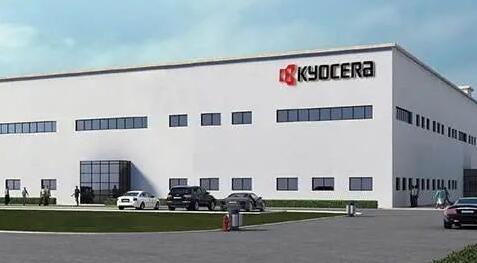
Japanese materials giant Sumitomo Bakelite has reached an agreement with Kyocera Group to acquire Kyocera’s semiconductor chemical materials business for ¥30 billion, marking a key consolidation in Japan’s materials sector in the AI era. The transaction is expected to close in October 2026, significantly boosting Sumitomo Bakelite’s position in the AI data center and high‑performance chip packaging materials markets.
Acquisition Path and Core Business
The deal follows a two‑step “spin‑off + acquisition” model: Kyocera will first establish a wholly‑owned subsidiary and, by July 2026, transfer its entire chemical business to it through an absorption‑type company split. The business mainly comprises epoxy molding compounds (EMC), bonding pastes, and industrial resins. Notably, EMC and bonding pastes are critical materials for AI chip packaging, directly affecting chip performance and reliability. Kyocera (Wuxi) Electronic Materials Co., Ltd., whose China operations generate ¥23.2 billion in annual sales and remain profitable, forms an important part of the acquired assets.
Strategic Synergy and Industry Impact
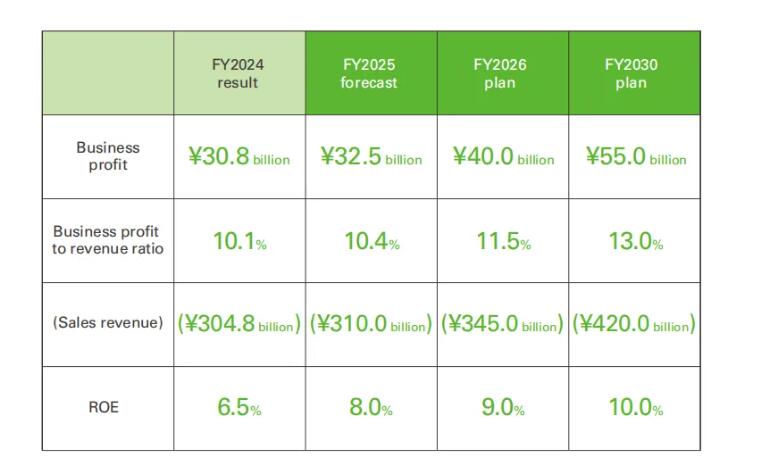
Through this acquisition, Sumitomo Bakelite aims to rapidly enter the fast‑growing AI data center market and strengthen its competitiveness in the semiconductor materials value chain. For Kyocera, the divestiture aligns with its ¥200 billion business‑restructuring plan to address consecutive profit declines. The integration of both companies’ technologies is expected to create a complete material system ranging from base resins to advanced ceramics, providing strong support for advanced technologies such as 2.5D/3D packaging and Chiplet.
Market reaction has been positive: after the announcement, Sumitomo Bakelite’s stock rose 4.53%, and Kyocera’s shares also moved upward. According to industry reports, the global market for advanced‑packaging epoxy molding compounds is projected to grow from $4.5 billion in 2025 to $8.2 billion in 2033, at a compound annual growth rate of 7.8%—an opportunity that Sumitomo Bakelite is now better positioned to capture.
Potential Risks and Follow‑up Developments
Despite the promising outlook, the deal faces challenges such as technology integration, industry cyclicality, and intensifying competition from Chinese suppliers. In a related move, Kyocera recently completed the sale of its U.S. subsidiary Kyocera Industrial Tools, Inc. for ¥75.413 billion, further advancing its non‑core business restructuring strategy.
ICgoodFind : This cross‑Japanese acquisition reshapes the semiconductor materials landscape. Sumitomo Bakelite strengthens its AI packaging materials portfolio while Kyocera streamlines its business structure, setting the stage for heightened competition in advanced packaging materials.







